Popular Woodworking
I’ve been at this for over ten years now, and woodworking is one of those crafts that took me a while to really get a handle on. Once the fundamentals clicked — how wood moves, how joints work, how finish actually protects the wood — the rest started to make sense. Here’s what I know about getting into woodworking and growing as a craftsman.
The Tools of the Trade
You don’t need everything at once, but having the right basic tools on hand is what makes each project actually possible. Start here:
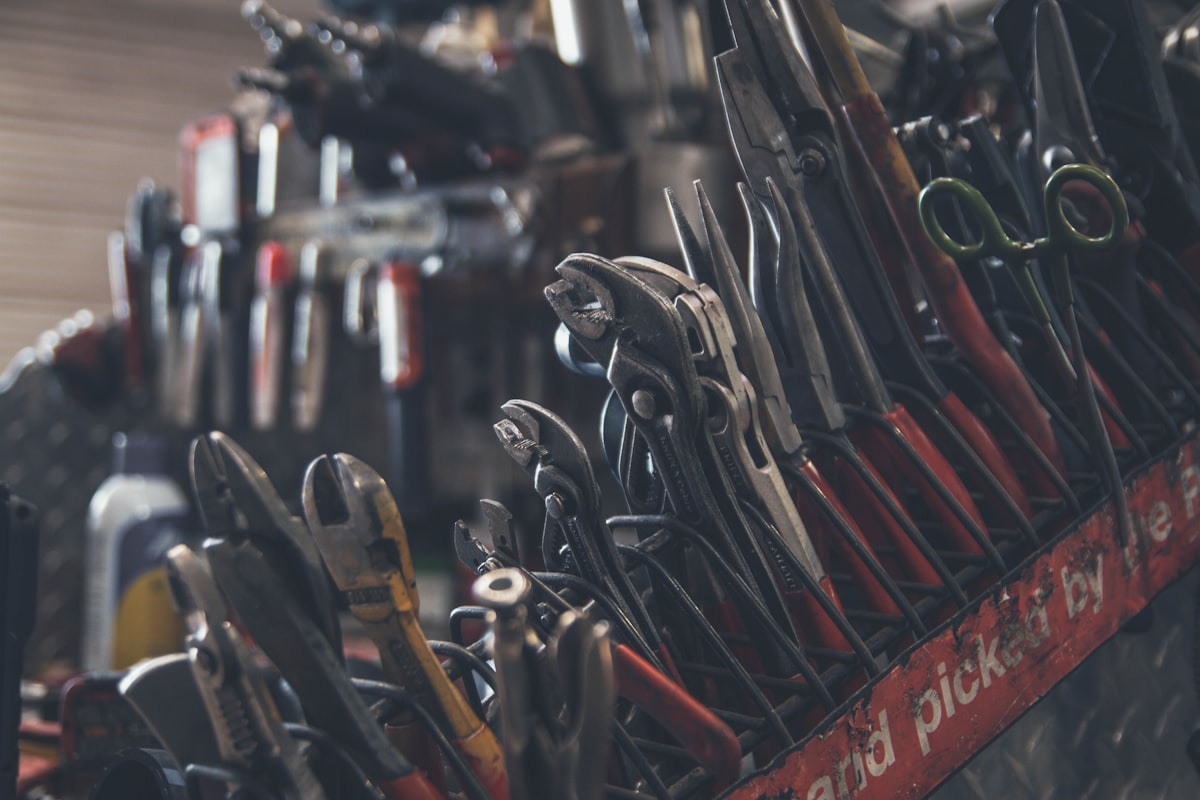
- Hammer: Crucial for driving nails and joining pieces together.
- Chisel: Used to carve or cut wood with precision. Learn to keep them sharp — a dull chisel is both ineffective and dangerous.
- Hand Saw: Essential for making straight cuts in wood. Learn it before you learn power tools; it teaches you how wood actually behaves.
- Plane: Smoothens and levels wooden surfaces. Underrated in a power-tool world, but nothing produces a surface like a well-tuned hand plane.
- Circular Saw: Offers fast and accurate cuts with minimal effort once you’ve learned to set it up properly.
- Router: Useful for hollowing out wood and creating profiles, dadoes, and intricate joinery. One of the most versatile power tools in the shop.
Types of Wood
Choosing the right wood for the job is one of those things nobody stresses enough when you’re starting out. Wood species are not interchangeable — each one has properties that make it better or worse for a given application.
- Pine: Softwood, easy to work with, and affordable. Dents easily but takes paint well and is appropriate for painted furniture and rough construction.
- Cedar: Softwood known for its aromatic character and natural insect-repellent properties. Excellent for outdoor furniture and storage cedar chests.
- Oak: Hardwood, strong and durable with a pronounced grain that looks great in both stained and painted finishes. One of the most commonly used furniture hardwoods for good reason.
- Walnut: Hardwood with rich, dark color that’s highly prized for fine furniture. More expensive, but the visual payoff is real.
Basic Techniques
Woodworking is built on a relatively small set of core techniques. Get these right and the rest follows.
Accurate measuring and marking are non-negotiable — a mistake made at the layout stage propagates through every step that follows. Measure twice, cut once is the principle, and it saves more time than it costs. Cutting involves hand saws for accuracy and control, power saws for efficiency. Good joinery is what determines whether a piece holds together for years or falls apart. Sanding through progressive grits produces a finish-ready surface; skipping grits leaves scratches that show through the finish.
Joinery Methods
Joinery is where woodworking gets genuinely interesting. The joint you choose determines both the structural performance and the look of the piece.
- Butt Joint: Simple to create — just two pieces meeting face to face. Best for light-duty applications where appearance isn’t the priority.
- Dovetail Joint: The classic interlocking joint with wedge-shaped tails and pins. Strong, visually striking, and the traditional choice for drawer boxes. Takes practice to cut cleanly.
- Mortise-and-Tenon: An ancient joint with a tenon (projecting tongue) fitting into a mortise (cavity). Provides robust connections for chairs, tables, and frame-and-panel construction. Took me a couple years before I could cut these reliably by hand.
- Pocket-Hole Joinery: Quick to execute and provides a clean appearance when done correctly. The Kreg system has made this accessible to everyone. Great for carcass work and face frames.
Project Ideas
Projects should match your current skill level — but also stretch it slightly. That stretch is where you actually learn.
- Birdhouse: The classic beginner project. Teaches basic cutting, drilling, and simple assembly. Forgiving enough to be encouraging on a first build.
- Picture Frame: Forces you to learn miter cuts and precise measurement. The corners either fit or they don’t — good immediate feedback.
- Shelving Units: A step up in scale that introduces carcass construction and wall mounting. Practical and buildable in a weekend.
- Furniture: Tables and chairs challenge your joinery and finishing skills. A well-built dining table that gets used daily is one of the most satisfying things you can build.
- Cabinetry: Advanced work that demands precision at every stage. Face frames, door fitting, drawer installation — all skills that take real time to develop.
- Wooden Art: Complex designs that blend artistic vision with technical execution. The work that separates a woodworker from a craftsman.
Safety in Woodworking
Woodworking safety isn’t optional. The tools involved can cause serious, permanent injuries, and it’s worth treating them with respect every single time you use them.
- Tool Usage: Learn the correct technique for each tool before using it under pressure. Most shop injuries happen during rushed or improvised use.
- Safety Goggles: Flying chips and sawdust move fast. Eye protection is the easiest form of safety gear and the one with the highest payoff.
- Ear Protection: Running power tools for extended periods without hearing protection causes cumulative damage. Foam plugs are cheap; hearing aids are not.
- Dust Masks: Fine wood dust is a serious respiratory hazard over the long term. Wear a proper respirator for sanding and routing operations.
- Clean Workspace: A cluttered shop is a dangerous shop. Offcuts on the floor are tripping hazards; scrap near the saw blade is a kickback waiting to happen.
Choosing the Right Finish
The finish protects the wood and determines how the piece looks and feels. Each type has different properties and different best-use cases.
- Oils: Penetrate the wood fibers and preserve the natural look and feel. Good for items where you want the wood to feel like wood rather than plastic. Need regular reapplication.
- Stains: Add color while letting the grain show through. Wide range of colors available. Often used under a top coat of varnish or polyurethane for protection.
- Lacquers: Produce a high-gloss film finish with good durability. Common in production furniture. Apply by spray for best results.
- Polyurethane: Oil-based or water-based, hard-wearing, and appropriate for high-traffic surfaces like floors and tabletops. My default for anything that needs to stand up to daily use.
Maintenance Tips
Properly finished and maintained wood projects last for decades. The routine isn’t complicated.
- Regular Dusting: Prevents grit buildup that scratches surfaces during cleaning.
- Reapply Finishes: Worn finish exposes the wood to moisture and damage. Touch up or refinish before problems develop.
- Avoid Extremes: Keep wood away from direct heat sources and prolonged moisture. Both cause movement that eventually leads to cracking or warping.
- Prompt Repairs: A small scratch repaired now doesn’t become a refinishing project later.
Woodworking Communities
One of the things I wish I’d tapped into sooner is the broader woodworking community. There’s no shortage of experienced craftsmen willing to share what they know.
- LumberJocks: A large online forum with an active project gallery and knowledgeable community. Good for feedback on builds and technique questions.
- Reddit’s r/woodworking: Active subreddit with project showcases and discussion. Ranges from beginner questions to genuinely impressive professional work.
- Local Clubs: In-person meetups and sometimes access to tools you don’t own. Hands-on mentorship from experienced woodworkers is hard to replicate from video.
- Workshops and Classes: Structured hands-on learning that accelerates skill development faster than solo trial and error. Worth the investment, especially early on.

Stay in the loop
Get the latest wood working workshop updates delivered to your inbox.