DIY Screwdriver Alternatives When You’re in a Pinch
We’ve all been in the middle of a project and discovered the screwdriver we need isn’t where it should be. As someone who’s worked in shops and on job sites long enough to have improvised more times than I can count, I’ve got a good mental catalog of what actually works in a pinch. Here’s the honest breakdown.
Household Items That Actually Work
The best improvised screwdrivers are things that fit snugly in the screw head and give you enough leverage to turn it. Here’s what works:
Coins
For flathead screws, a coin works surprisingly well. A quarter is thick enough to seat firmly in most medium to large flathead slots, and the face gives you enough grip to apply torque. Works best on screws that aren’t torqued down tight — for light-duty and decorative hardware, it’s completely adequate.
Butter Knife
A butter knife works for flathead screws — the edge engages the slot better than most people expect. For Phillips screws, the tip can sometimes find enough purchase in two of the four grooves to give you limited turning force. Avoid too much force or the knife tip bends. Good for backing out a screw, not ideal for driving one in.
Scissors
Insert one blade into the screw groove and apply turning force. More useful than it sounds for removing partially-backed-out screws where the head is accessible. Be careful of slipping — scissors points are sharp and the grip isn’t great. Works better for removal than installation.
Credit Card

Last resort territory. A credit card edge works only on very loose screws with large flathead slots — typically adjustment screws on fixtures and fittings. The card flexes under any real torque. It’s more useful for backing out a screw the last half-turn than for anything structural.
Office Supplies
Worth knowing about for emergency desk-drawer screwdriver situations:
Paperclip
Unfold a sturdy paperclip and use one end to engage a small screw head. Leverage is minimal, but for small decorative screws or eyeglass screws, a paperclip can work in a pinch. Patience required.
Stapler Remover
The pronged edge of a stapler remover can engage small flathead screws better than a paperclip. Provides slightly more stability and leverage. More useful than it looks for small hardware screws.
Mechanical Pencil Tip
Remove the lead and use the metal tip for recessed screws that are already loose. Very limited application — only loosely seated screws respond. But sometimes that’s exactly what you need.
Garage and Shop Solutions
If you’re in a shop or garage without the right screwdriver, you probably have other options that work better:
Pliers
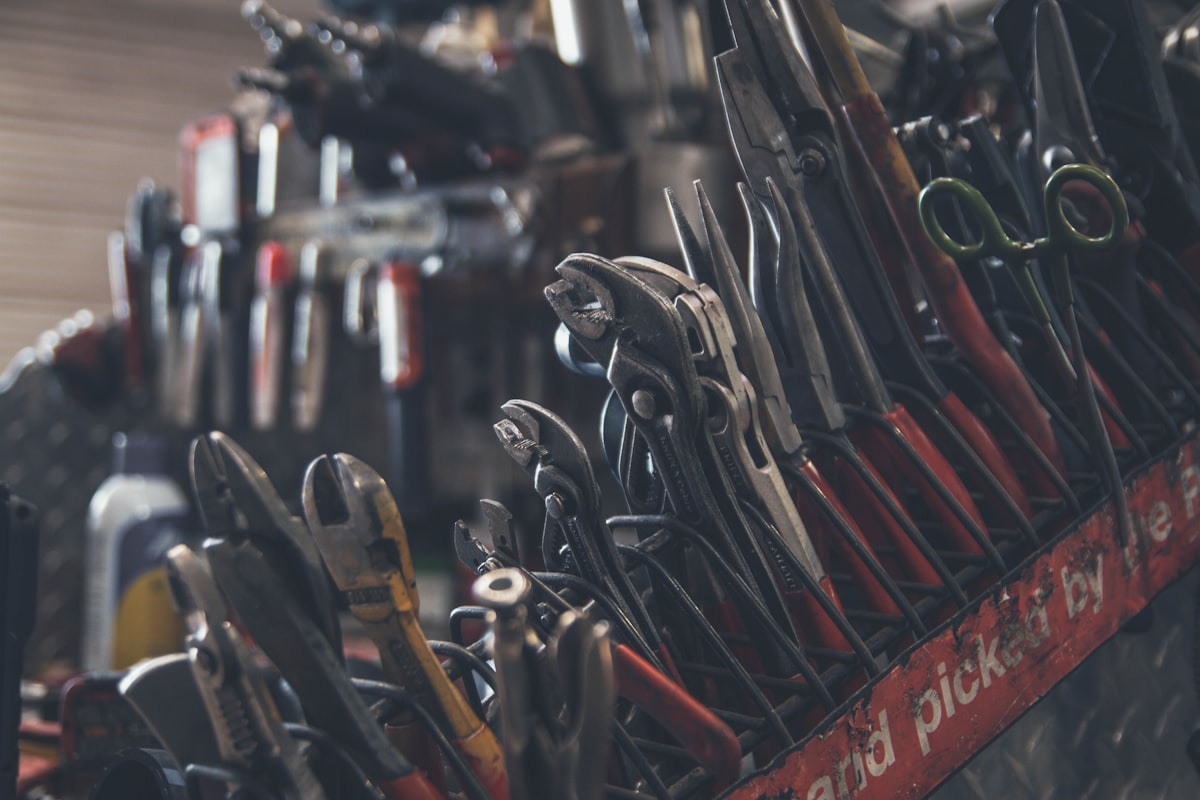
For exposed screw heads — not recessed — grip the sides of the head firmly with pliers and turn. Works surprisingly well for larger screws. My shop buddy uses this routinely when he can’t find his screwdrivers. Won’t work for recessed or countersunk heads.
Hex Keys (Allen Wrenches)
If you can find a hex key that fits snugly in the screw slot, it provides excellent torque — more than most other improvised options. This works particularly well for larger flathead machine screws. Keep a set of hex keys in the shop specifically because they solve multiple problems.
Pocket Knife
A pocket knife blade works well for flathead screws. The blade seats firmly in the slot and the handle gives you real grip. A steady hand is needed to avoid slippage — the knife tip is sharper than a screwdriver and a slip does more damage. For Phillips screws, limited but workable on cross-head configurations where the blade fits two grooves.
Dedicated Multi-Tools
This is the real takeaway: if you don’t own a quality multi-tool, the improvised-screwdriver problem comes up often enough that it’s worth fixing permanently:
Swiss Army Knife
A classic Swiss Army Knife with a flathead and Phillips driver covers most household screw situations. Small, portable, and reliable. I keep one in my truck specifically for job sites where the right tool isn’t always at hand.
Leatherman Multi-Tool
A Leatherman or similar tool provides flathead and Phillips options, plus interchangeable bits on the higher-end models. This is the most versatile single-tool solution for someone who needs improvised capability on a regular basis. Worth the investment if you work in the field.
Safety Notes
These hacks work, but they’re not as safe or reliable as the right tool. Never apply excessive force to an improvised screwdriver — the main risk is slipping and injuring your hand or damaging the screw head beyond recovery. If a screw is in very tight, better to wait for the right tool than to strip the head making it impossible to remove later.
These substitutes handle light-duty situations. For structural fasteners, hardware with torque requirements, or anything where failure has consequences — get the right tool.

Stay in the loop
Get the latest wood working workshop updates delivered to your inbox.