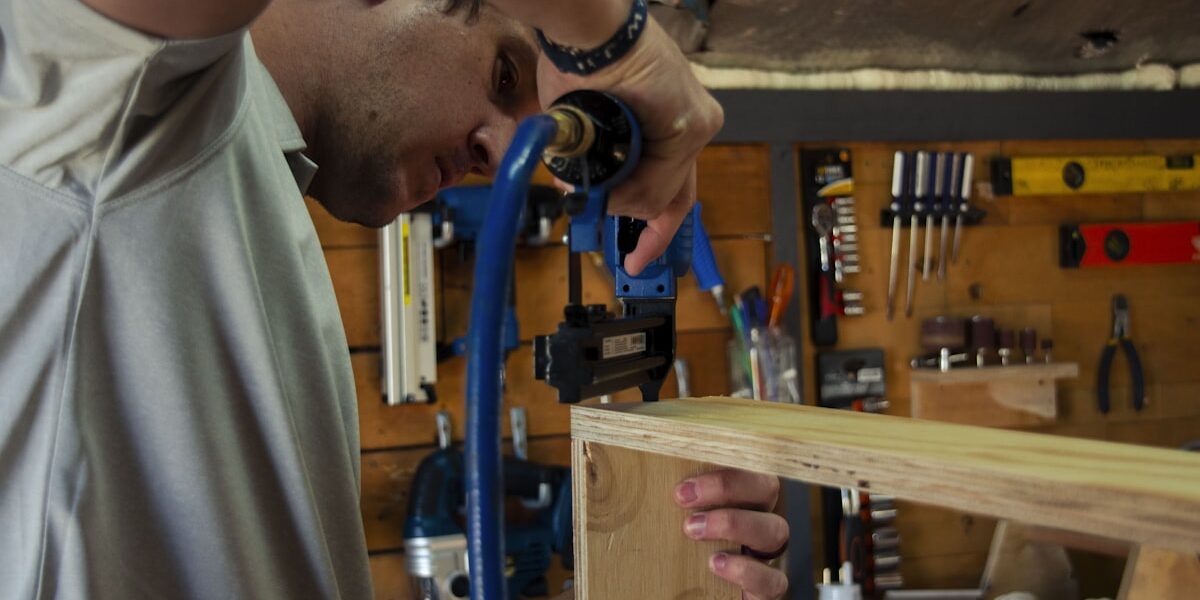
As someone who builds furniture and thinks hard about what actually makes a piece work in a home, I’ve learned what choices matter and which are mostly noise. Here’s what I know about wood furniture design from the builder’s perspective.
Wood Species and What They Actually Do
Each wood species has a real personality that shows up in the finished piece. Understanding those differences helps you make choices that hold up over time:
- Oak — Strong, hard, and distinctively grained. The open grain and ray figure give oak a visual texture that reads as traditional or rustic. Coarser than maple, which makes it less ideal for painted finishes but excellent for clear or stained work where the grain is the point.
- Maple — Tight, fine grain with excellent hardness. Resists dents and scratches better than most domestic species. The relatively understated grain takes paint beautifully and stain evenly. My shop’s go-to for utility pieces and painted cabinetry.
- Cherry — The wood that gets better with age. Raw cherry looks almost pink; it deepens to a rich reddish-brown over years of light exposure. This aging character is part of its appeal, but it means a cherry piece will look noticeably different at five years than at delivery.
- Walnut — Dark, rich, stable. The combination of dramatic figure in some pieces and clean straight grain in others gives walnut wide aesthetic range. One of the most forgiving woods to work with despite its reputation as a premium species.
- Pine — Soft, affordable, and full of character knots. Pine furniture has a casual, unpretentious quality that suits relaxed aesthetics. The softness means it dents and marks more easily than hardwood — which some people value as character and others find frustrating.
Design Styles That Hold Up
Traditional
Traditional wood furniture draws from historical styles — period reproductions, Shaker work, colonial interpretations. It often features formal proportions, dark stains, and joinery that shows deliberate craft. The appeal is timelessness; these pieces don’t date themselves.
Modern

Modern design prioritizes function and visual simplicity. Clean lines, honest materials, no ornamentation for its own sake. The challenge is that minimal design requires more precision to execute well — there’s nothing to hide behind when the joinery or proportion is slightly off.
Rustic
Rustic furniture celebrates natural material character — rough textures, visible grain, reclaimed wood with its own history. Less about precision, more about authenticity. The appeal is warmth and a sense of handmade quality.
Mid-Century Modern
Tapered legs, organic curves, blended materials — mid-century modern reads as both vintage and contemporary depending on context. The design language is specific enough to be recognizable and versatile enough to work in many room types.
Industrial
Wood combined with steel or iron — exposed hardware, structural elements as design elements rather than hidden construction. Strong visual statement that works well in urban spaces and lofts.
Construction Techniques Worth Understanding
Joinery
How a piece goes together determines how long it lasts. Dovetail joints, mortise and tenon, finger joints — these traditional methods interlock wood mechanically so the joint has strength independent of the glue. Furniture built with proper joinery survives moves, humidity cycles, and heavy use in ways that stapled and screwed construction doesn’t.
Lamination
Gluing thin layers together creates curves that solid wood can’t achieve, improves dimensional stability, and allows curved parts to be made from relatively inexpensive material. Bent laminations for chair backs and curved aprons are the most common applications in furniture making.
Carving and Turning
Carving adds decorative relief detail to flat surfaces. Turning shapes cylindrical forms on a lathe — legs, posts, spindles. These techniques add significant labor time and require separate skills from flat furniture construction, which is why you see them most often in traditional and high-end work.
Finishing Options and What They Do
Staining
Stain penetrates the wood and modifies color while leaving grain visible. Available from barely-there to very dark. Staining before topcoating gives you color control; the topcoat provides protection. Getting even stain penetration on end grain versus face grain requires preparation.
Lacquering
Hard, protective film-forming finish available in multiple sheens. Sprayed lacquer is the standard production finish for furniture — fast drying, smooth results. Brushed lacquer requires more technique but is accessible without spray equipment.
Oil Finish
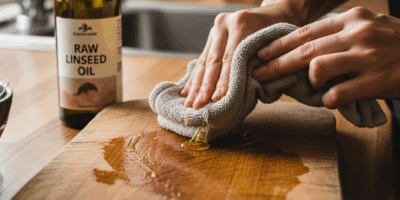
Penetrating oils like linseed and tung oil soak into the wood fibers and cure there, producing a finish that’s in the wood rather than on it. The result feels natural and close to unfinished. Trade-off is that oil finishes require periodic renewal and offer less protection against spills than film finishes.
Wax Finish
Soft sheen, easy to apply and repair. Good choice for pieces with a vintage or antique character where a thick protective film would look wrong. Lower protection against liquids than other options.
Paint
Opaque paint transforms wood furniture completely — color, sheen, and visual weight all change. Works best on fine-grained woods that sand smooth and don’t telegraph grain through the paint. Can completely revitalize a worn piece.
Environmental Considerations
Sustainably sourced wood (look for FSC certification) comes from forests managed to prevent depletion. Reclaimed wood repurposes timber from demolished structures, adding character while reducing new harvest demand. Water-based and low-VOC finishes are safer for both the user and the environment than traditional solvent-based options — and they’ve gotten much better in recent years.
Making It Work in a Room
Light wood tones suit open, well-lit spaces where you don’t want the furniture to dominate. Dark woods add visual weight and depth — powerful in the right room, heavy-feeling in a small one. The wood tone should work with the room’s other colors, not compete with them.
Scale matters more than most buyers consider. A beautiful dining table that’s too large for the dining room makes the room feel cramped; furniture scaled correctly to the space almost disappears into the room in the right way. Mixing materials thoughtfully — wood with metal or glass accents — adds visual interest without overwhelming the natural character of the wood.
Care and Maintenance
Dust regularly with a soft cloth rather than letting it accumulate. Clean spills immediately and avoid harsh chemicals on any wood finish. For oiled finishes, reapply periodically — monthly is standard for new pieces, annually for established ones. Polish film finishes as needed with products designed for the specific finish type. Minor scratches in most finishes repair with touch-up products; significant damage may require professional refinishing of the affected area.



Stay in the loop
Get the latest wood working workshop updates delivered to your inbox.