Screw Gun vs Drill
Screw gun vs drill debates have gotten noisy with all the tool review content flying around. As someone who has done my fair share of drywall hanging and framing, and has also spent plenty of time at the bench drilling and driving for woodworking projects, I learned what each tool is actually built for. Today, I will share it all with you.
The short version: they’re not really competing. They’re built for different jobs.
Purpose and Use
A screw gun does one thing — drives screws, fast and at a consistent depth. That narrow focus is the whole point. It’s the tool of choice on drywall and construction sites where you’re sinking hundreds of screws at the exact same depth, hour after hour. A drill, on the other hand, is a generalist. It drills holes, drives screws, and handles a wide variety of tasks that a screw gun can’t touch.
Design and Functionality
Here’s the thing nobody tells you about screw guns: the depth-setting nose cone is what makes them special. Once the screw hits the preset depth, the clutch disengages automatically. The screw doesn’t overdrive, the drywall doesn’t get dimpled too deep, and you don’t have to think about it. A drill has torque settings but requires you to manually control depth, which slows things down and introduces inconsistency when you’re doing repetitive work.
Speed and Efficiency
For repetitive screw driving — hanging sheetrock is the textbook example — a screw gun is dramatically faster. The auto-stop means no checking, no adjusting, just driving. With a drill you’re watching every screw and backing off manually to avoid overdriving. That’s fine for occasional driving; for 500 screws in an afternoon it’s exhausting. Took me three stripped wallboard panels to switch to a proper screw gun for that kind of work.
Power and Performance
Screw guns run at higher RPMs tuned specifically for screw driving. Drills offer variable speed to accommodate drilling into different materials as well as driving. If all you’re doing is driving screws at volume, the screw gun’s dedicated speed profile wins. If you need to switch between drilling and driving — which is most woodworking — the drill’s flexibility makes more sense.
- Screw Gun RPM: Typically higher, focused on speed for driving screws.
- Drill RPM: Variable speeds for drilling and screwdriving.
Bit Types and Changes
Screw guns use specialized bits designed for quick swaps, and some collated models feed screws automatically from a strip — which is a genuine game changer on big jobs. Drills use standard drill bits and driver bits secured in a chuck. Swapping bits takes more time, especially on keyed chucks. My shop buddy swears by his collated screw gun for decking; I’ve never owned one but after watching him work I understand the appeal.
Handle and Ergonomics
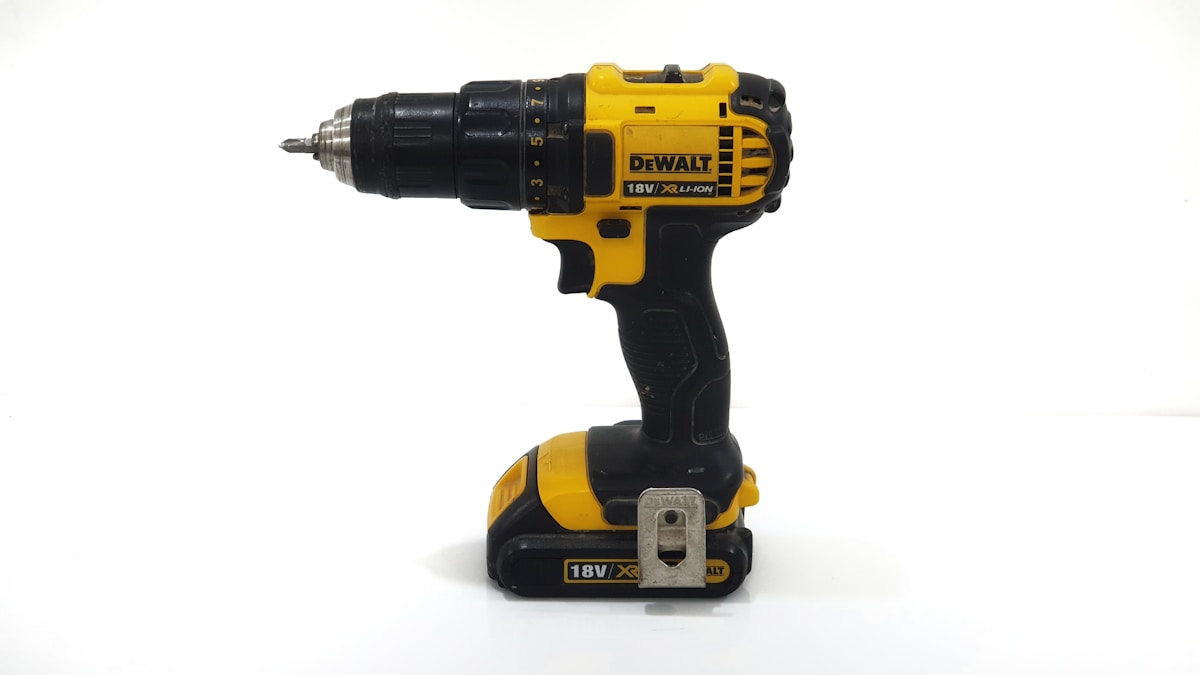
Screw guns are generally lighter and more streamlined than drills — they don’t need the housing for all the variable speed and torque control electronics that drills carry. That lighter weight matters a lot on a full day of hanging drywall. Drills tend to be a bit bulkier, but their grip design accommodates the wider variety of tasks they’re expected to do.
Cost and Investment
A basic screw gun is often less expensive than a comparable drill, which makes sense given the narrower application. For drywall contractors and framers, it’s an easy call — the screw gun pays for itself fast. For most woodworkers, a quality drill with good torque settings is the smarter investment. It handles everything the screw gun does plus a whole lot more.
Durability and Maintenance
Screw guns are mechanically simpler — fewer moving parts means less to maintain and often a longer service life when used for their intended purpose. Drills need regular attention to the chuck, gear assembly, and variable speed controls, especially if you’re switching between tasks frequently. Both are built tough, but the simpler tool is easier to keep in good shape.
- Screw Gun Maintenance: Focuses on keeping the depth gauge and clutch system in good working order.
- Drill Maintenance: Requires attention to the chuck, gears, and variable speed controls.
Project Types and Suitability
Screw guns shine on repetitive, depth-consistent driving jobs — drywall installation, subflooring, decking. Drills shine everywhere else. Wood, metal, masonry drilling, plus all the driving work you’d do on a typical project. Wish I’d had a clearer picture of this distinction when I was buying my first real tool kit — I would have bought both from the start rather than trying to make one do everything.
The bottom line is simple: for dedicated high-volume screwdriving in construction settings, a screw gun is faster and more consistent. For versatile shop and project work, a drill handles the full range. Ideally, you eventually own both.

Stay in the loop
Get the latest wood working workshop updates delivered to your inbox.