
Shop Drawer Organization Ideas
Shop organization has gotten overwhelming with all the systems and products people recommend online. I’ve tried a lot of approaches over the years, and the one that actually stuck was paying attention to how I use my drawers — not just filling them. Here’s what I know about shop drawer organization that actually works in a real shop.
Why Drawers Matter in the Workshop
In a busy workshop, time spent looking for things is time not building. That’s what makes good drawer organization so valuable to woodworkers — everything has a place, you know where it is, and you spend your energy on the project rather than the search. A disorganized drawer is just a flat surface with a lid on it. An organized one is a genuine productivity tool.
Types of Shop Drawers
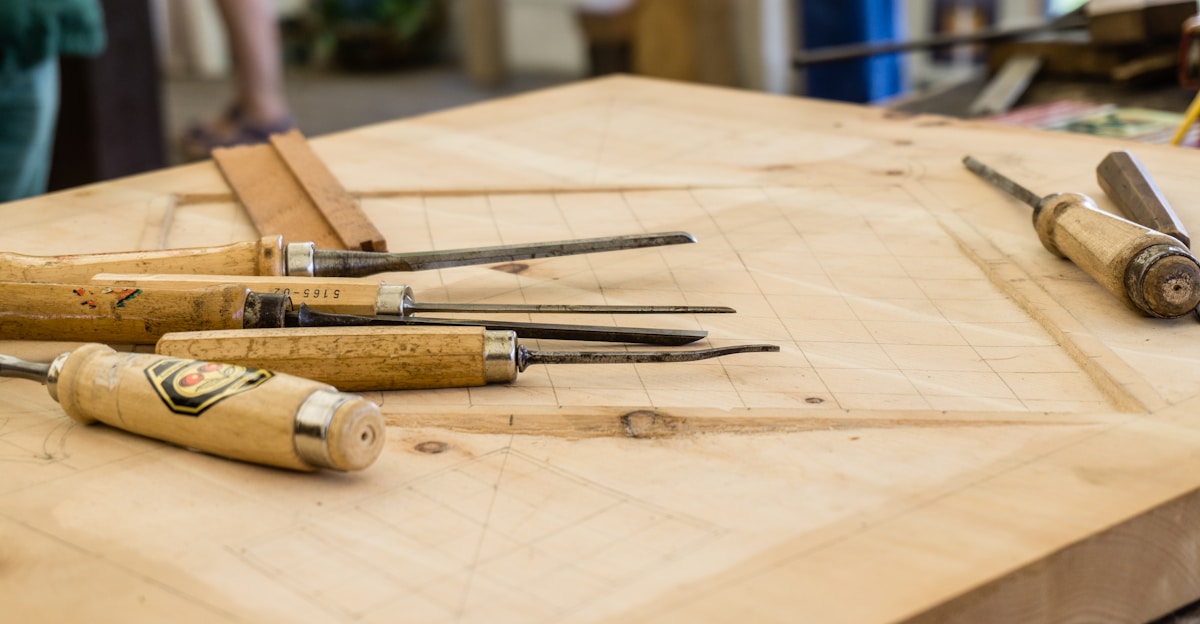
Different drawers serve different purposes. Here’s how I break mine down:
- Tool Drawers: Hand tools and power tool accessories. Dividers and custom-fitted foam inserts keep tools from shifting and protect cutting edges.
- Parts Drawers: Small hardware — screws, nuts, bolts, washers, shelf pins. Multiple small compartments sorted by size and type. Probably should have organized these more seriously years earlier than I did.
- Materials Drawers: Sandpaper by grit, abrasive pads, steel wool. Larger shallow drawers work well here.
- Safety Equipment Drawers: Dedicated location for safety glasses, hearing protection, dust masks, and gloves. The dedicated drawer means these are always in one place and always accessible.
Materials and Construction

Shop drawers come in metal, wood, and plastic:
- Metal: High durability and strength for heavy items. Standard in professional shop tool cabinets. Takes impact without complaint.
- Wood: Workable with shop tools, so you can build exactly what you need. Custom dividers, custom depths, custom layout. My shop-built drawers are all wood because I can modify them whenever my needs change.
- Plastic: Lightweight, corrosion-resistant, good for small parts in modular systems. Not my preference for the main shop tool storage, but useful for organizing hardware and consumables.
Factors to Consider When Choosing Shop Drawers
- Load Capacity: Know how heavy the drawer will be when full. Drawer slides have rated capacities. Overloaded slides sag, bind, and fail. Size the hardware to the actual load.
- Size and Dimensions: Custom-built drawers can be optimized exactly for the tools they’ll hold. Commercially available units offer less flexibility but faster setup.
- Number of Drawers: More drawers allow finer categorization. The goal is to reduce the search area for any given item — “it’s in the chisel drawer” beats “it’s somewhere in the shop cabinet.”
- Locking Mechanism: Relevant in shared shops. Locks prevent unauthorized use of expensive tools and protect sharp edges from casual handling.
- Mobility: A rolling tool chest moves your most-used tools to wherever you’re working. A stationary cabinet is better for storage that doesn’t need to travel.
Maintenance and Care
Regular cleaning prevents dust and debris buildup that can scratch tool surfaces or contaminate lubricants. For metal drawers, check for rust spots and treat them promptly. Wooden drawers should be kept dry — a dehumidifier in a damp basement shop pays for itself in prevented drawer swelling. Lubricate drawer slides annually with a dry lubricant or paste wax to maintain smooth operation.
Organizing Your Shop Drawers Effectively
Here’s the approach that’s worked for me after years of adjusting:
- Use Drawer Dividers: Separate tools and parts by type. Custom foam inserts cut to fit specific tools are even better — tools go in the same orientation every time and you immediately see what’s missing.
- Label Each Drawer: Simple labels on the face or inside the drawer edge eliminate ambiguity. Takes ten minutes and saves hours over the life of the shop.
- Organize by Frequency of Use: Most-used tools at the most convenient heights. Less-used items can be lower or higher. The “golden zone” is roughly waist to shoulder height.
- Review Periodically: Tools accumulate faster than categories expand. A quarterly review of what’s in each drawer keeps things from degrading into the “miscellaneous” trap.
Innovative Features Worth Having
- Soft-Close Mechanism: Prevents drawers from slamming shut, protecting both the drawer and the tools inside. Worth specifying on any new tool cabinet purchase.
- Modular Configurations: Drawers that can be reconfigured as your tool collection changes. More useful than it sounds over a decade of building.
- Integrated Lighting: Built-in lights make it easy to spot the exact tool you need without pulling half the drawer out. A small but genuinely useful feature.
- Ergonomic Design: Good drawer pulls and ergonomic layout reduce fatigue during a long shop session.
Recommended Brands
My shop buddy swears by Snap-on; I’ve gotten good results from less expensive options. Here are the main categories:
- Husky: Durable and affordable for both professional and hobbyist use. Good value at the price point.
- Craftsman: Wide range of tool storage solutions with solid drawer construction and good slide quality.
- Sterilite: Plastic drawer units for lightweight small-parts storage in smaller shops.
- Gladiator: Heavy-duty metal drawers for industrial settings or shops with heavy tool inventories.
Building Your Own Shop Drawers
Custom-built drawers let you optimize exactly for your tools and your space. Here’s the basic process:
- Design First: Plan the size, layout, and depth of each drawer based on what it will hold. Sketch it out and measure twice before cutting.
- Materials: 3/4-inch plywood for the box, 1/2-inch for the bottom. Hardwood for the front face if you want a nice appearance.
- Cutting and Assembly: Dado the sides to accept the bottom panel. Glue and nail the box together. Check for square before the glue sets.
- Install Drawer Slides: Full-extension slides are worth the extra cost — they let you access items at the back of the drawer without digging. Mount the slides carefully; a slight misalignment makes the drawer feel sloppy.
- Finish and Install: Sand smooth, apply a wipe-on finish or paint, and install. Custom dividers and foam inserts come last, once you’ve confirmed the fit.
Building custom shop drawers takes more time upfront but results in storage that’s genuinely fitted to your tools and workflow. The time you invest in the build pays back every time you find what you need in under five seconds.



Stay in the loop
Get the latest wood working workshop updates delivered to your inbox.