
As someone who has reorganized my shop several times over the years, I’ve figured out what actually works and what ends up being more clutter than solution. Plastic storage is the backbone of any functional shop — here’s what I know about getting it right.
Benefits of Plastic Storage
Plastic storage solutions earn their dominant position in woodshops because they combine practical properties that other materials can’t match at the same price point. They’re light enough to move full without straining your back. They resist moisture, sawdust, and the shop chemicals that eat through cardboard and rust metal hardware. Clear options let you see contents at a glance — essential in a busy shop where you’re looking for a specific bit or fastener mid-project. That’s what makes plastic storage so useful to woodworkers and builders — the combination of visibility, durability, and accessibility that speeds up the time between thinking “where’s my X?” and actually having it in hand.
Types of Plastic Storage Solutions
Plastic Bins and Totes
Plastic bins and totes are the workhorses of shop storage. Available in sizes from small parts bins to full-season storage totes, they cover a remarkable range of applications. Clear-sided bins let you identify contents without opening them — a feature I didn’t appreciate until I had a full rack of them and could survey my hardware inventory from across the shop. Lidded bins with sealed or snap closures keep sawdust out of stored contents, which matters more in a woodshop than most environments.
Plastic Drawers
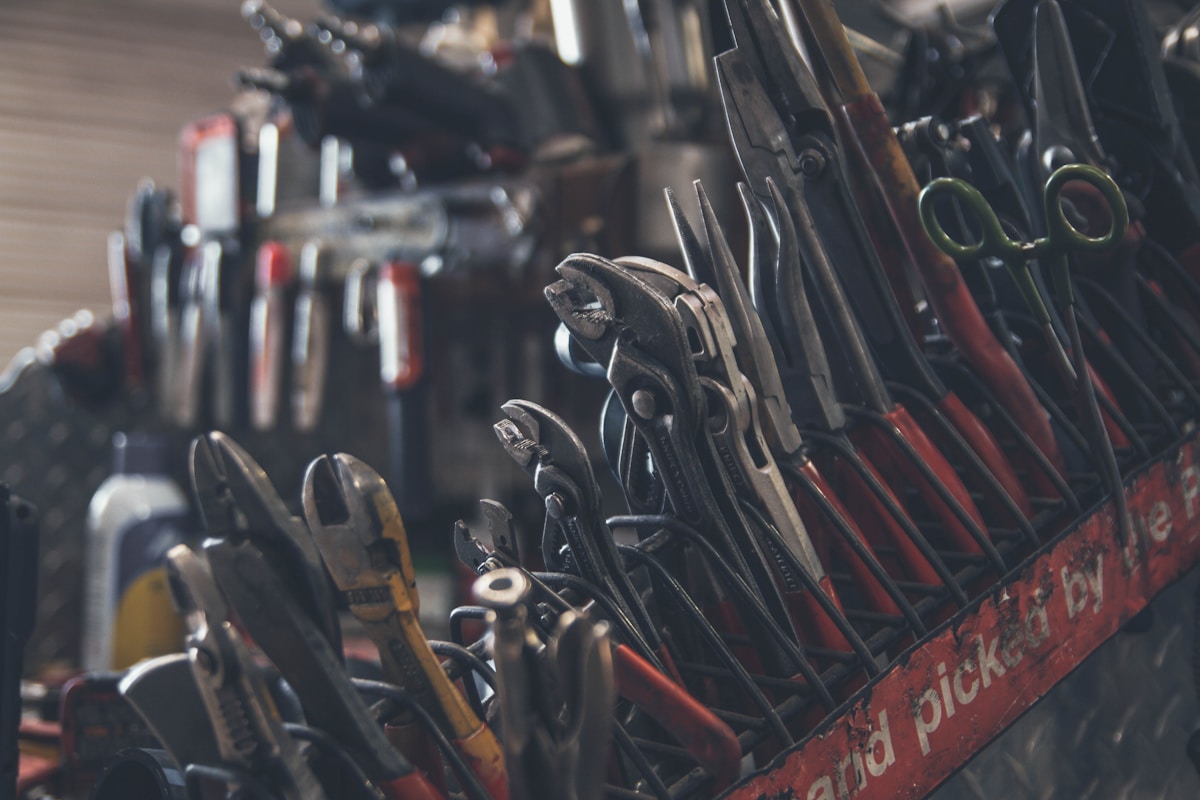
Multi-drawer plastic units are indispensable for small parts organization — screws, bolts, drill bits, router bits, sandpaper grits. The drawer format means you can pull out just the compartment you need without disturbing adjacent storage. I’m apparently someone who labels every drawer because a drawer unit without labels is just a cabinet full of mystery compartments that you have to open and close repeatedly to find anything. Spend the five minutes to label them.
Plastic Shelving Units
Plastic shelving units for the shop carry more weight than most people expect — quality units handle 250-500 lbs per shelf, which covers lumber, power tools, and finishing supplies without issue. The assembly and reconfiguration is faster than metal shelving, and there’s no rust concern in humid shop environments. For the garage shop or basement workshop where moisture is a recurring issue, plastic shelving holds up considerably better over time than metal alternatives.
Plastic Storage Bags
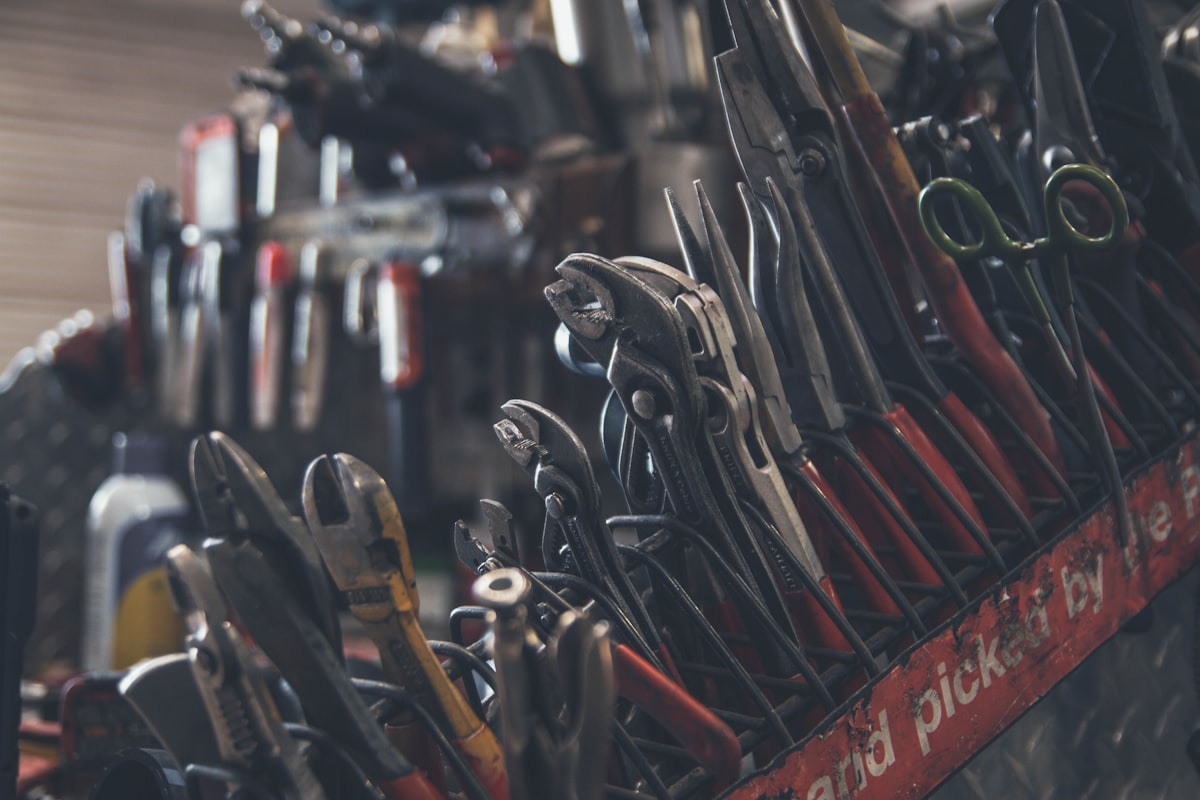
Resealable plastic bags are underappreciated shop storage tools. Hardware sets from furniture kits, replacement blade sets, template jigs for specific joints — small collections of related items stay organized and findable in labeled bags far better than loose in a drawer. Zip-close bags in a range of sizes should be in every shop’s storage arsenal.
Specialized Plastic Storage Solutions
Plastic Tool Organizers
Dedicated plastic tool organizers — bit indexes, chisel rolls, blade cases, router bit storage — protect cutting edges while keeping them organized and accessible. The value here is protection: a router bit rattling loose in a drawer gets its edges nicked and its shank scratched. Purpose-designed holders keep tools from contacting each other while providing fast retrieval. Wish I’d invested in proper bit storage earlier rather than losing track of specific profiles in a jumbled drawer.
Small Parts Organizers
Multi-compartment parts organizers — the kind with adjustable dividers — are essential for the variety of fasteners and hardware a working shop accumulates. Screws, bolts, t-nuts, barrel nuts, shelf pins, hinge cups — all of these categories multiply quickly and become unmanageable without dedicated compartment storage. The adjustable divider systems let you configure compartment size to the actual contents rather than forcing you to adapt to fixed spaces.
Stackable Bin Systems
Modular stackable bin systems — where standardized bins clip or slide into a rack system — are particularly useful for workshop consumables. Sandpaper in graduated grits, finishing supplies, stain cloths, shop rags — anything you pull from frequently benefits from a consistent location in a stackable system. The modularity lets you reconfigure as the shop’s needs change.
Portable Storage Solutions
For the woodworker who does job site work, portable plastic storage — stackable modular systems like the Dewalt ToughSystem or Sortimo L-BOXX format — brings order to transported tools and materials. These systems snap together for transport and deploy as organized storage on site. They’re more expensive than generic bins but the locking connection between units makes a real difference when you’re loading and unloading from a truck.
Environmental Considerations
High-quality, thick-walled plastic storage outlasts cheap alternatives significantly — buying durable products once is better economically and environmentally than replacing flimsy ones repeatedly. When selecting new plastic storage, look for units made from recyclable materials (check the recycling code on the base). Some manufacturers now offer storage products made from recycled content, which reduces the environmental footprint without compromising function.
Choosing the Right Plastic Storage Solution
Match the storage to what’s being stored. Large, heavy items need bins with reinforced bottoms and carry handles rated for the weight. Small parts need many small compartments with clear visibility. Frequently accessed items need easy-reach placement in fast-open containers; rarely accessed items can be in lidded bins stacked higher. Clear visibility is almost always worth prioritizing — time spent searching for items in opaque containers adds up over years of shop work.
Maintenance Tips for Plastic Storage
- Wipe down plastic bins periodically with a damp cloth — sawdust and shop oil accumulate on surfaces and eventually make labels unreadable and lids sticky.
- Don’t overload plastic shelving beyond its rated capacity. Exceeding load limits causes permanent bowing that eventually fails the shelf and dumps everything.
- Inspect bin bottoms and hinges annually for stress cracks, especially on containers that regularly carry heavy hardware. Cracked bins fail suddenly rather than gradually.
- Keep plastic storage out of direct sunlight in outdoor or garage applications. UV exposure degrades most plastics significantly over years and makes them brittle.
Plastic storage in a woodshop isn’t glamorous, but getting it right is one of the highest-leverage improvements you can make to how efficiently the shop actually operates. A well-organized shop where everything has a place and you can find it quickly translates directly to more time doing woodworking and less time looking for things.



Stay in the loop
Get the latest wood working workshop updates delivered to your inbox.