
Track Saw Guide for Straight Cuts: What You Need to Know
Track saws have gotten a lot of attention in woodworking shops over the past decade, and I understand why. I resisted getting one for years, convinced my table saw setup handled everything I needed. Once I actually used a tracksaw on a full sheet of plywood, I understood immediately what I’d been missing. Here’s what I know about how they work and when they’re worth it.
What Makes a Track Saw Different
A tracksaw combines a circular saw mechanism with a precision guide rail that eliminates the freehand inaccuracy that makes portable circular saws frustrating for fine work. The saw body attaches to the track and can only move along it — the result is a cut that’s as straight as the track rather than as straight as your hands. Unlike a table saw where you move the workpiece, a tracksaw lets you bring the saw to the workpiece. That’s the fundamental advantage for large sheets of plywood and MDF.
Advantages That Actually Matter
That’s what makes a tracksaw so useful to woodworkers dealing with large panels — moving a full 4×8 sheet of plywood to a table saw is awkward, requires support, and creates a real safety situation without help. Moving the saw to the panel instead eliminates all of that.
The guide rail system also substantially reduces tear-out. The splinter guard on the track’s edge holds wood fibers in place at the cut line, producing a clean edge that often needs no cleanup. Compared to a freehand circular saw cutting plywood, the difference is dramatic.
Setting Up the Tracksaw
Place the track on the workpiece with the anti-slip strips holding it in place. Align the cut edge of the track with your marked cut line. The first time you use a new track, make a zero-clearance pass to trim the splinter guard to your exact cut line — after that, the track edge is your reference and placement is very fast.
Adjusting for Different Cuts
Depth should be set to just below the workpiece thickness — typically 2-3mm below for workbench cuts and right at the workpiece thickness for sawhorses or foam spoilboard. This minimizes blade exposure and reduces friction. Bevel adjustment handles anything from a square cut to a 45-degree miter. Took me a few test cuts to dial in my specific tracksaw’s bevel adjustment accuracy, but once calibrated it’s repeatable.

Making the Cut
Start the saw before contacting the workpiece — beginning a cut with a stationary blade produces rough edges and risks blade binding. Move at a pace where the motor doesn’t bog down. Most tracksaws have enough power to cut steadily through 3/4″ hardwood without forcing the pace. Let the track and blade do the work rather than pushing hard.
Track Maintenance and Extension
Keep the track clean — sawdust packed under the anti-slip strips reduces grip and undermines accuracy. A periodic wipe-down takes about thirty seconds. Track extensions connect end-to-end for cuts longer than the standard lengths. Ensure extension joints align without offset.
Safety
Eye and ear protection are standard with any saw work. No loose clothing near the blade. Keep the power cord behind and clear of the cutting path — routing it over your shoulder while cutting forward keeps it out of the way. Never operate with a damaged blade guard.
Choosing a Tracksaw
Motor power, blade size, and track length match to your typical project scale. For furniture and cabinet work, a 6-1/2″ blade handles up to 2″ depth comfortably.
- Festool: The benchmark for precision engineering and build quality. Premium price reflects genuine quality — the choice for professional cabinet shops where accuracy and durability both matter.
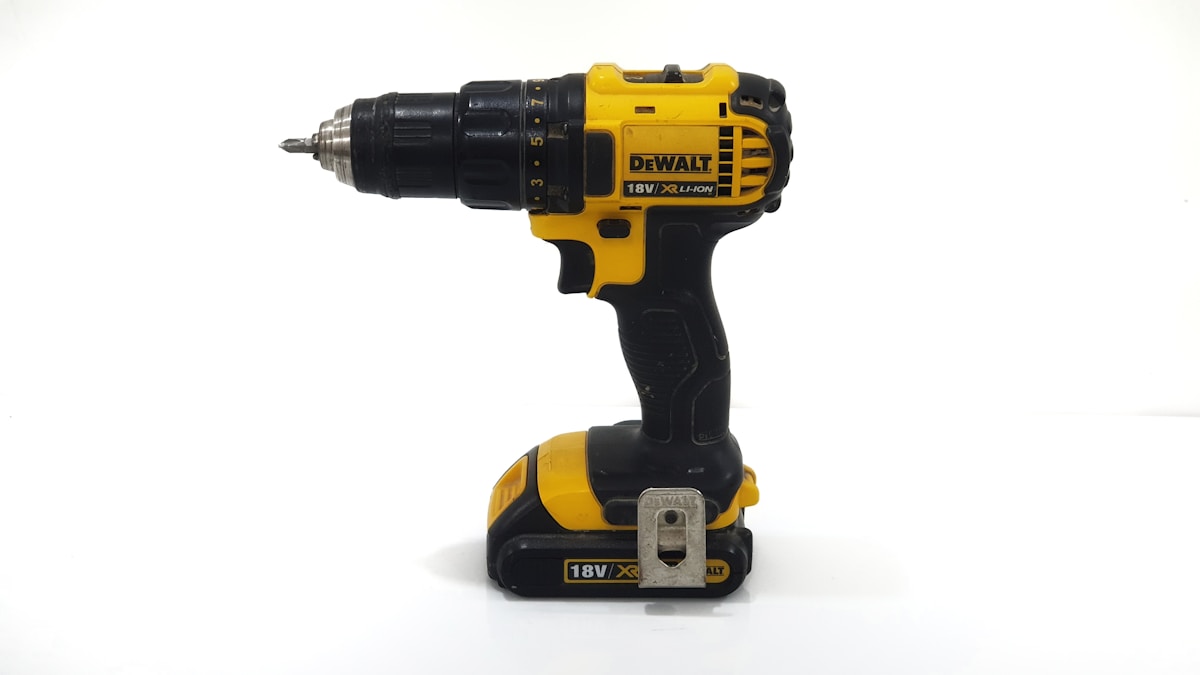
- DeWalt: Solid performance at competitive pricing, with integrated electronic controls. My shop buddy uses the DeWalt for his cabinet work and has no complaints after three years of regular use.
- Makita: Reliable and widely compatible with accessories, user-friendly adjustment systems. Good value in the mid-range.
What Else a Tracksaw Does
Beyond wood, tracksaws cut aluminum and non-ferrous metals with appropriate blade changes. Door bottom trimming in-place, laminate flooring cuts, and countertop trimming on site all benefit from the precision and portability combination. The reduced setup time compared to a table saw and the ability to work where the material is make tracksaws genuinely versatile in ways that take some time to fully appreciate.
Recommended Woodworking Tools
HURRICANE 4-Piece Wood Chisel Set – $13.99
CR-V steel beveled edge blades for precision carving.
GREBSTK 4-Piece Wood Chisel Set – $13.98
Sharp bevel edge bench chisels for woodworking.
As an Amazon Associate, we earn from qualifying purchases.

Stay in the loop
Get the latest wood working workshop updates delivered to your inbox.