The Biscuit Joiner: Everything You Need to Know About This Underappreciated Shop Tool
The biscuit joiner has somehow ended up as one of the most debated tools in woodworking. Some woodworkers swear by it. Others dismiss it as unnecessary once you have a pocket screw jig. I’m firmly in the first camp — and I’ll tell you why. If you’re building panels, cabinet face frames, or any project where alignment matters as much as strength, a biscuit joiner earns its bench space. Today I’ll cover everything that matters about this tool: how it works, what it’s actually useful for, and how to use it well.
Understanding the Joiner Tool
A biscuit joiner — also called a plate joiner — cuts small, football-shaped slots in the edges or faces of wood. You slide an oval biscuit (made of compressed beech wood) into matching slots in two pieces, add glue, clamp them together, and the biscuit swells as it absorbs moisture from the glue, locking everything in alignment. The joint isn’t primarily about strength — glued wood-to-wood surface area handles that. The biscuit’s main job is alignment: it registers two pieces against each other so they stay flush while the glue cures.
That registration function is what makes the tool genuinely valuable. When you’re edge-gluing boards into a panel, keeping every joint perfectly flush while wrestling clamps is a challenge. Biscuits make it much easier. The tool has an adjustable fence that controls cut height and angle, making it adaptable for various joint configurations.
The Anatomy of a Joiner Tool
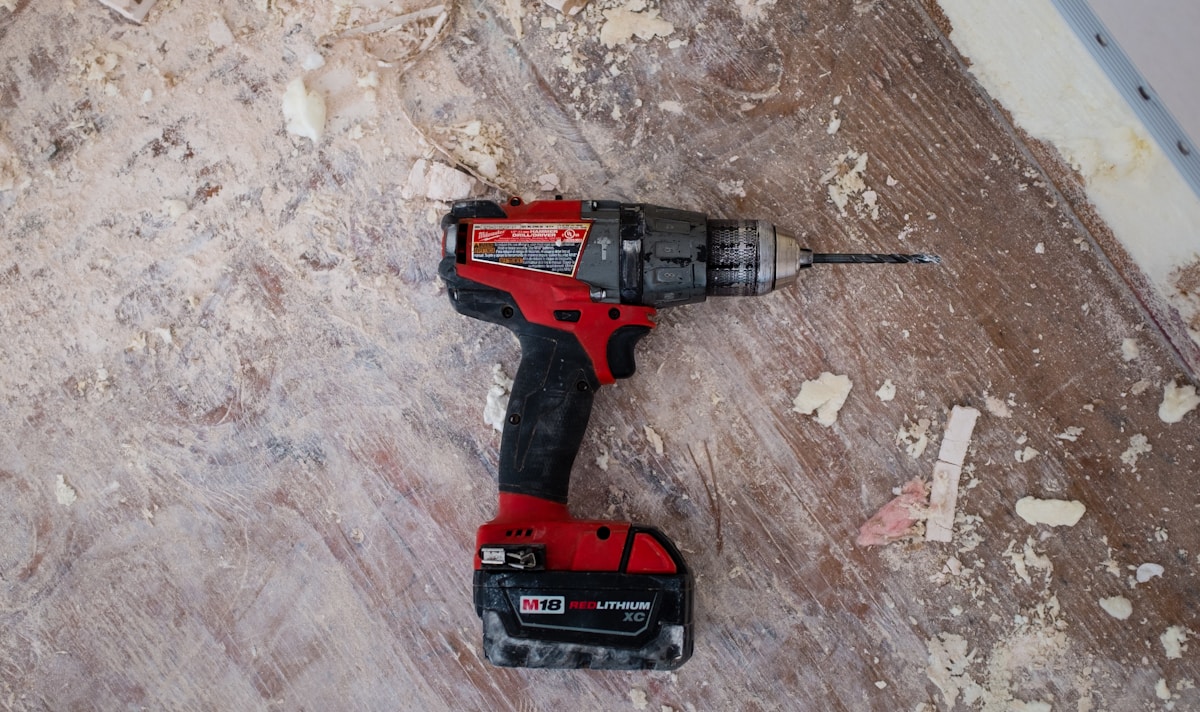
- Blade: The blade is the heart of the joiner. Typically about 4 inches in diameter, it rotates at high speeds to cut slots into the wood.
- Fence: The fence is adjustable to control the height and angle of the cut. It aids in cutting different types of joints by keeping the blade at the right position.
- Handle: The handle provides a firm grip, ensuring stability and precision during operation.
- Motor: Most joiners have a powerful motor, usually around 5 to 10 amps, providing the necessary power for cutting through hardwoods.
- Dust Bag: This component collects sawdust, helping maintain a clean work area and allowing for more visibility during cutting.
Types of Joints Achievable with a Joiner
Joiners are versatile, and several types of joints can be achieved:
- Edge-to-Edge Joints: When creating larger panels from smaller boards, the edge-to-edge joint is most common. This uses biscuits to align and secure the boards.
- Miter Joints: Common in frames and corner pieces, miter joints benefit from the precision of a biscuit joiner, especially when cut at 45-degree angles.
- Corner Joints: In cabinetry, corner joints reinforce the structure. Using a joiner provides strength to the right angles.
- T-Joints: When one piece of wood needs to be joined perpendicular to another, T-joints offer a reliable connection.
Steps to Using a Joiner Tool
The workflow is straightforward once you’ve done it a few times. Mark the biscuit locations on both pieces — typically every 6 to 10 inches for edge joints, at the center of the joint area for face frames. The mark goes on both faces so the slots align. Set your fence height to center the slot in your material thickness. Hold the joiner firmly against the workpiece with the fence flat, align the center mark on the joiner with your pencil mark, plunge in, and retract. Repeat for each mark on both pieces.
Once the slots are cut, dry-fit everything before glue. This is not optional — you want to confirm the alignment is right and that you haven’t mixed up any pieces. Then glue up: apply glue in the slots and along the mating surfaces, seat the biscuits, bring the pieces together, and clamp. Work quickly — the biscuits start swelling as soon as they contact the glue, and you have a limited assembly window.
Choosing the Right Biscuits
Biscuits come in three main sizes: #0, #10, and #20. The #20 is the largest and strongest, appropriate for heavier stock and more demanding applications. #10 is the middle option and works well for most standard cabinet and furniture work. #0 is for thinner stock where a larger biscuit wouldn’t fit without breaking through. Your joiner’s manual will specify which sizes it supports — most handle all three. Match biscuit size to the thickness of your stock: you want the biscuit slot centered in the material with enough material above and below to hold securely.
Safety Measures While Using a Joiner
The biscuit joiner’s blade moves fast and the tool plunges into the work — respect that. Always secure your workpiece so it can’t shift during the cut. Safety glasses are non-negotiable, and ear protection is worth using even for short sessions. Keep both hands on the tool during cuts — the handle and the fence knob — and never position your body or hands in the tool’s plunge path.
Loose clothing and jewelry are hazards around any rotating blade. Check the tool before each use: inspect the blade for damage, make sure the fence lock is secure, and verify the dust bag is attached. A joiner with a loose fence is going to give you inconsistent cuts at best and a slip injury at worst.
Maintenance of a Joiner Tool
The dust bag needs regular emptying — fine sawdust builds up quickly and restricts airflow. The blade dulls over time just like any other, and a dull biscuit joiner blade tears rather than slices, producing rough slots that don’t seat biscuits cleanly. Blade replacement is straightforward and inexpensive relative to the improvement it makes.
The fence mechanism should move smoothly and lock firmly. If it’s getting sticky, clean out any accumulated sawdust and apply a small amount of lubricant to the adjustment mechanism. Store the tool in its case or a dry location — the blade especially doesn’t appreciate moisture.
Alternatives to the Biscuit Joiner
The pocket hole jig is the most common alternative for face frame and cabinet assembly work. It’s faster for joinery that doesn’t need edge alignment — drawer face attachment, rail-to-stile connections — and the angled screw provides immediate mechanical hold without waiting for glue to cure. For edge-to-edge panel alignment specifically, it’s less effective than biscuits. Doweling jigs offer similar alignment capability to biscuit joiners with arguably tighter tolerances, but slower setup time and less flexibility in joint positioning. Domino joiners from Festool do everything a biscuit joiner does and more, with much tighter tolerances — at a price that puts them out of reach for most hobbyist shops.
Each method has real strengths. Choosing between them comes down to what kind of work you do most often and which tool fits your workflow.
Application in Various Woodworking Projects
I reach for the biscuit joiner most often when building tabletops from multiple boards — the alignment function really earns its keep there. Cabinet face frames are another regular application, particularly when I want everything to sit flush without relying entirely on careful clamping. Mitered frames benefit enormously from biscuit reinforcement, both for alignment during glue-up and for added strength at what’s inherently a weak joint geometry.
For large-scale work like flooring panels or wall paneling, biscuits keep the seams tight and flush across long runs. Any project where you need two pieces to sit perfectly flush relative to each other while glue cures is a candidate for biscuit joinery.
Learning and Mastering Joiner Techniques
The best investment of time when you first get a biscuit joiner is practice on scrap before you touch project wood. Set up test cuts in material that matches your project stock, dry-fit to verify alignment, make adjustments as needed. Getting your fence height dialed in for your specific material thickness takes a few test cuts but is worth doing carefully before you commit.
Experiment with different joint configurations on scrap — edge-to-edge, T-joints, miters at 45 degrees with the fence tilted. Each one has its own setup subtleties. Once you’ve worked through all the configurations on practice material, they become fast and confident operations in actual project work.
The Evolution of the Joiner Tool
The biscuit joiner as we know it emerged in the mid-20th century as a production efficiency tool for furniture manufacturers who needed fast, repeatable joint alignment across high volumes of work. Electric joiner technology improved steadily over the following decades. Modern versions are lighter and more accurate than early models, with better dust collection and more refined fence adjustment systems. Variable speed controls and laser alignment guides on higher-end models further improve precision. The underlying concept hasn’t changed — a small blade cutting a slot for an alignment biscuit — but the execution has gotten considerably more refined.
Recommended Woodworking Tools
HURRICANE 4-Piece Wood Chisel Set – $13.99
CR-V steel beveled edge blades for precision carving.
GREBSTK 4-Piece Wood Chisel Set – $13.98
Sharp bevel edge bench chisels for woodworking.
As an Amazon Associate, we earn from qualifying purchases.

Stay in the loop
Get the latest wood working workshop updates delivered to your inbox.