The Mid-Century Modern Kitchen Table: What Makes It Work and How to Find One
I’ve been studying mid-century modern furniture for a while now, partly because clients keep asking for it and partly because I find the design logic genuinely interesting. Mid-century modern has been having a moment for about twenty years, which at some point stops being a moment and becomes a permanent fixture in the design landscape. I’ve spent a fair amount of time studying these pieces, and the kitchen table in particular keeps drawing me back. There’s something about how these tables look that works in almost any space. Today, I’ll walk through everything worth knowing about mid-century modern kitchen tables — the design principles, the materials, the key designers, and how to find or build one that actually holds up.
Features of Mid-Century Modern Kitchen Tables
The defining visual signature of mid-century modern is the combination of sleek lines, gentle curves, and organic forms that somehow feel both spare and warm at the same time. These tables resist ornamentation. No carved legs, no decorative hardware, no unnecessary detail. The beauty comes from the proportions and the materials themselves.
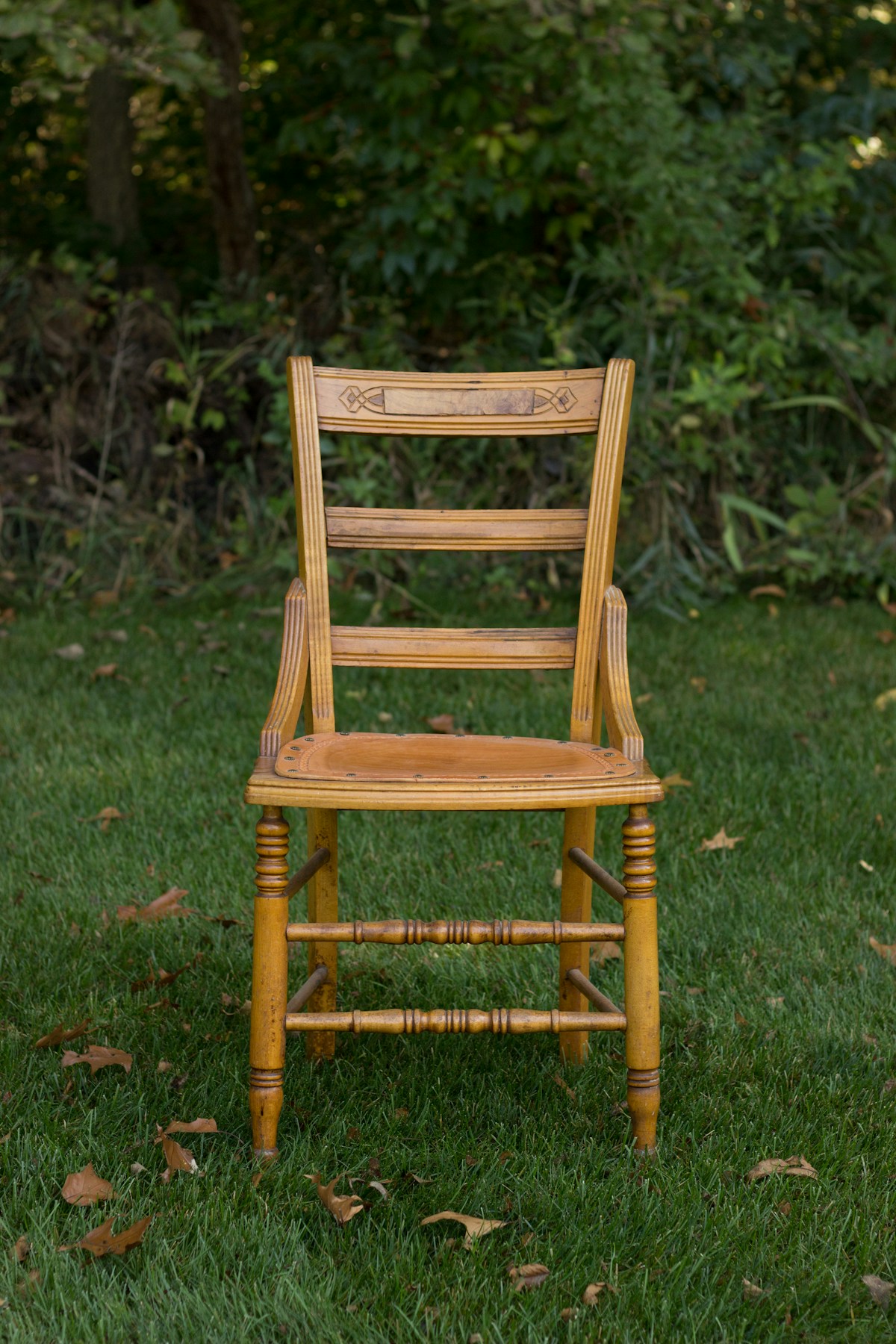
Teak and walnut are the wood species most closely associated with the era. Both have rich, warm color tones and grain patterns that look good without any elaborate finish. The legs on these tables are almost always tapered — narrowing toward the floor — and often set at a slight outward angle. This gives the table a visual lightness that makes it read as less massive than it actually is. Rounded edges soften the overall silhouette and make the pieces more comfortable to live with. Some designs incorporate metal or glass elements for contrast, but wood-dominated tables remain the most iconic.
Choosing the Right Table for Your Space
Getting the size right matters more than anything else here. A table that’s too large dominates a room and makes movement awkward. A table that’s too small gets lost. Before you look at a single piece of furniture, measure your space and mark out the footprint you’re working with. The general rule of thumb is 36 inches of clearance on all sides of the table for comfortable movement — 42 to 48 inches if you want real ease of passage.
Shape factors in as well. Rectangular tables maximize seating for the floor space they occupy, and they work well in narrower dining areas. Round tables create a more intimate atmosphere and are excellent for smaller gatherings where conversation flows freely around the table. Oval tables are the practical compromise — they seat more people than a round table of similar width while keeping the approachable feel of rounded edges.

Popular Designers and Their Influence
The mid-century furniture world was shaped by a small number of genuinely visionary designers whose work still defines the aesthetic. Charles and Ray Eames are the names most people know — their emphasis on minimalism, functionality, and material honesty runs through everything associated with the period. Eero Saarinen’s Tulip Table is one of the most recognizable pieces of 20th-century furniture design, eliminating the traditional four-leg structure entirely in favor of a single pedestal that he felt created cleaner visual lines.
Arne Jacobsen brought similar thinking to seating, and his chair designs pair naturally with mid-century tables in a way that feels cohesive rather than matched. What all these designers shared was a commitment to solving real functional problems with forms that didn’t sacrifice beauty to do it. That philosophy is why their work still resonates.
Materials and Construction Techniques
The original mid-century pieces were built to last. Solid wood construction — typically teak, walnut, or rosewood — was the standard for high-end pieces, chosen for both durability and the warm, natural character of the grain. Less expensive production used wood veneer over a solid core, which maintains the visual appeal of figured hardwood while keeping costs manageable. Done well, veneered construction is entirely legitimate and can look indistinguishable from solid wood.
Joinery on quality mid-century tables is worth examining. Mortise and tenon joints at the leg-to-apron connections, dovetail joints where appropriate, and dowel joinery all appear in authentic pieces. The choice of technique often reflected both the design and the manufacturer’s capabilities. A well-made mid-century table with tight, traditional joinery will outlast most contemporary furniture by decades.
Care and Maintenance
Wood furniture from this era was typically finished with oil-based finishes or lacquer, and proper care keeps it looking good for generations. Regular dusting with a soft cloth, and occasional cleaning with a damp cloth when needed, handle most of the maintenance. Avoid harsh chemical cleaners that strip or dull the finish.
For tables with oiled teak or walnut surfaces, periodic re-oiling — maybe once or twice a year depending on use and environment — keeps the wood from drying out and maintains its luster. Use teak oil or a similar product and wipe off the excess. Coasters and placemats protect against heat rings and moisture stains, which are the most common sources of damage. Minor scratches can often be addressed with a touch of matching stain or a light rub with fine steel wool followed by fresh oil.
Modern Revival and Adaptations
The resurgence of mid-century modern design in the last two decades has generated a huge range of new production furniture inspired by the originals. These contemporary adaptations keep the essential visual vocabulary — tapered legs, clean lines, warm wood tones — while adding features that suit modern life. Expandable tables with butterfly leaves or drop-leaf extensions are common additions, allowing a compact everyday table to accommodate more guests when needed.
Contemporary manufacturers also incorporate metal and glass more extensively than many original designs, providing contrast and a slightly more modern edge. The best of these adaptations honor the design language of the era without being slavish reproductions. The worst are cheap imitations with spindle legs and thin veneers that won’t last a decade. Knowing the difference comes down to examining the construction quality closely.
Sourcing a Mid-Century Modern Kitchen Table
Authentic vintage pieces show up in estate sales, antique markets, and online marketplaces. They take patience to find in good condition at a fair price, but the quality of original production-era pieces is often genuinely excellent. Look for maker’s marks or labels — Danish pieces especially were often marked — and examine the joinery and finish up close. Original pieces have a quality of construction that most reproductions don’t match.
For reproductions, the range of quality is wide. Companies like Design Within Reach sell licensed reproductions of iconic designs at premium prices and build quality to match. At the other end of the spectrum, mass-market furniture retailers sell mid-century-inspired pieces that look the part from a distance but won’t hold up under real use. If you’re going the reproduction route, buy the best you can afford, because the cheap options aren’t actually saving you money over time.
Integrating Mid-Century Style into Your Home
A mid-century modern kitchen table anchors a room best when the surrounding elements are chosen with some care. Chairs that share the same design vocabulary — tapered legs, clean profiles, warm materials — create coherence without looking like a showroom floor. The color palette of the era tends toward earth tones, muted greens and mustards, warm neutrals, and natural wood — avoid anything too bright or too stark.
Lighting plays a larger role than most people realize. Pendant lamps positioned over the table — whether a classic Artek design or a contemporary interpretation — reinforce the period aesthetic and create a well-defined dining zone. Sputnik chandeliers work in rooms with sufficient ceiling height. Rugs, curtains, and textiles in period-appropriate patterns and textures complete the environment without overwhelming it. The overall effect you’re aiming for is rooms that feel both intentional and livable — the mid-century ideal, honestly.
The Influence of Mid-Century Modern Design Today
The staying power of mid-century modern design comes down to a simple fact: the principles it’s built on are genuinely good ones. Furniture that is functional, honest about its materials, visually clean, and proportioned to work in real spaces will always find an audience. The specific vocabulary of the era — the tapered legs, the warm wood tones, the preference for organic forms — gets reinterpreted constantly by contemporary designers, which is how you know the underlying ideas are sound.
Mid-century modern kitchen tables in particular keep finding their way into homes across every design context because they work. They’re comfortable to sit at, they’re durable when properly made, and they look right in a way that’s hard to articulate but immediately recognizable. That combination is rare enough in furniture that it’s worth paying attention to when you find it.
Recommended Woodworking Tools
HURRICANE 4-Piece Wood Chisel Set – $13.99
CR-V steel beveled edge blades for precision carving.
GREBSTK 4-Piece Wood Chisel Set – $13.98
Sharp bevel edge bench chisels for woodworking.
As an Amazon Associate, we earn from qualifying purchases.


Stay in the loop
Get the latest wood working workshop updates delivered to your inbox.