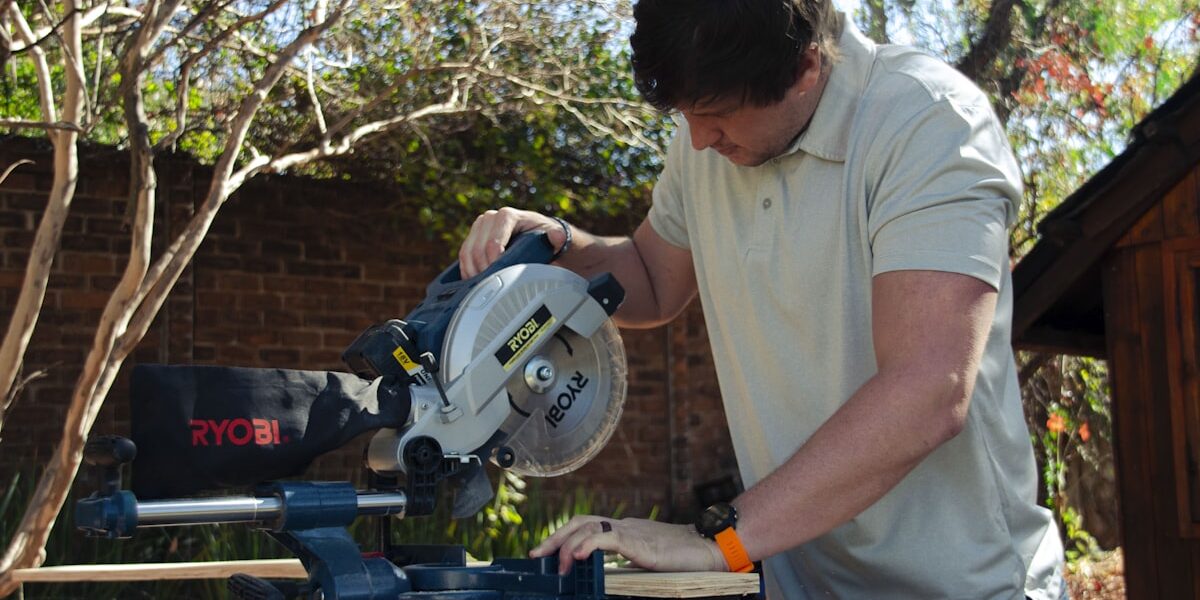
Table Saw Dust Collection: What Actually Works
I ignored dust collection for the first few years of woodworking and paid for it — not dramatically, but steadily. My shop looked like the inside of a flour mill and I was constantly wiping down surfaces, finding sawdust in places sawdust had no business being. When I finally set up proper collection, the improvement was immediate and obvious. Here’s what I’ve learned.
Where the Dust Actually Goes
Table saws generate dust from two locations simultaneously. Below the blade, the heavier material falls into the cabinet or lower housing — this is the easy stuff to capture. Above the blade, finer particles become airborne and eventually settle on everything in your shop, including your lungs. Complete dust collection has to address both sources or you’re only solving half the problem.
Dust Port Locations
Cabinet saws typically have a 4-inch dust port on the cabinet body that captures dust falling below the table. The enclosed cabinet contains dust well when connected to adequate suction. Contractor saws are harder — the open base and hanging motor create gaps that let dust escape. Some manufacturers offer shrouds; aftermarket solutions exist too. Sealing gaps on contractor saws with foam tape makes a real difference. I did this on my old contractor saw and collection improved noticeably.
Blade guards with integrated dust collection ports are worth using if your saw has them. Overhead collection captures the fine airborne particles that cabinet ports miss. My shop buddy refuses to use his blade guard and then wonders why his shop is always dusty. I don’t push it, but I do use mine.
Dust Collection Options
Shop vacuum: Basic collection for occasional users. Adequate if you’re not running the saw constantly. Limitations: limited CFM, filters clog fast with fine dust, and running during extended sessions can overheat the motor.
Single-stage collector: Moves significantly more air than a shop vacuum — a standard 1HP unit pushes 650-750 CFM. This is what I ran for years and it handled the table saw well. Connect it to the saw’s dust port and you’re dramatically ahead of no collection.
Two-stage collector: Separates heavy debris before the impeller so only fine dust passes through. Protects the impeller, extends filter life, and is the right choice for a serious workshop with multiple tools. I upgraded to two-stage a few years ago and the filter maintenance interval got much more manageable.
Ductwork
Table saws typically need 4-inch main duct connections — smaller ducts restrict airflow and hurt collection. Metal duct (galvanized or aluminum) is the right material for permanent installations. Ground it to prevent static buildup. Keep flexible hose sections short — the corrugated interior creates friction and turbulence that rob you of velocity. Wish I’d known that when I first set up my shop; I had too much flex hose and it killed my suction.
Seal cabinet gaps around trunnions, adjustment mechanisms, and motor openings. Every gap leaks air you needed at the blade. Foam tape handles most of this on an afternoon.
Fine Dust Filtration — The Part People Miss
The most dangerous particles are the finest ones — small enough to penetrate deep into your lungs. Standard 30-micron dust collector bags don’t catch these; they pass through and return to your shop air. Upgrade to pleated cartridge filters rated for 1 micron or better. They retrofit to most single-stage collectors and the air quality improvement is immediately noticeable. I put one on my collector years ago and it’s one of the better shop investments I’ve made.
An ambient air filtration unit — ceiling-mounted, runs continuously — polishes shop air throughout the day and catches what your primary collection misses. Not a substitute for source collection, but a meaningful addition for serious woodworking.
Personal Protection Still Matters
Even excellent dust collection doesn’t capture everything. Wear a respirator during heavy cutting sessions. N95 for basic protection; a half-mask with P100 filters for serious work. I use a respirator any time I’m doing extended ripping. Good dust collection and a good respirator aren’t either/or — they work together.
Maintenance
Empty collection bags before they’re packed full — a stuffed bag restricts airflow and kills suction. Clean or replace filters on schedule. Check duct connections periodically for leaks. A maintained system performs; a neglected one just moves dusty air around. Take thirty minutes every month to check the system and it’ll take care of you.


Stay in the loop
Get the latest wood working workshop updates delivered to your inbox.