Workshop Safety That Actually Matters
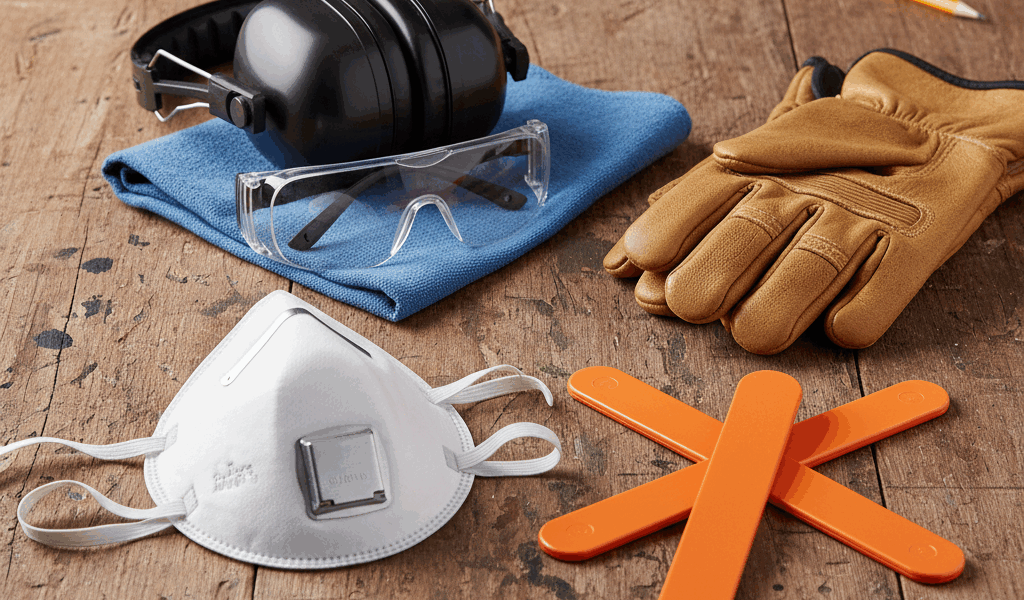
Safety advice often overwhelms beginners with extensive lists of protective gear and dire warnings. Most of it matters less than commonly claimed. A few things matter a lot. Understanding the difference keeps you safe without paranoia.
Eye Protection: Non-Negotiable
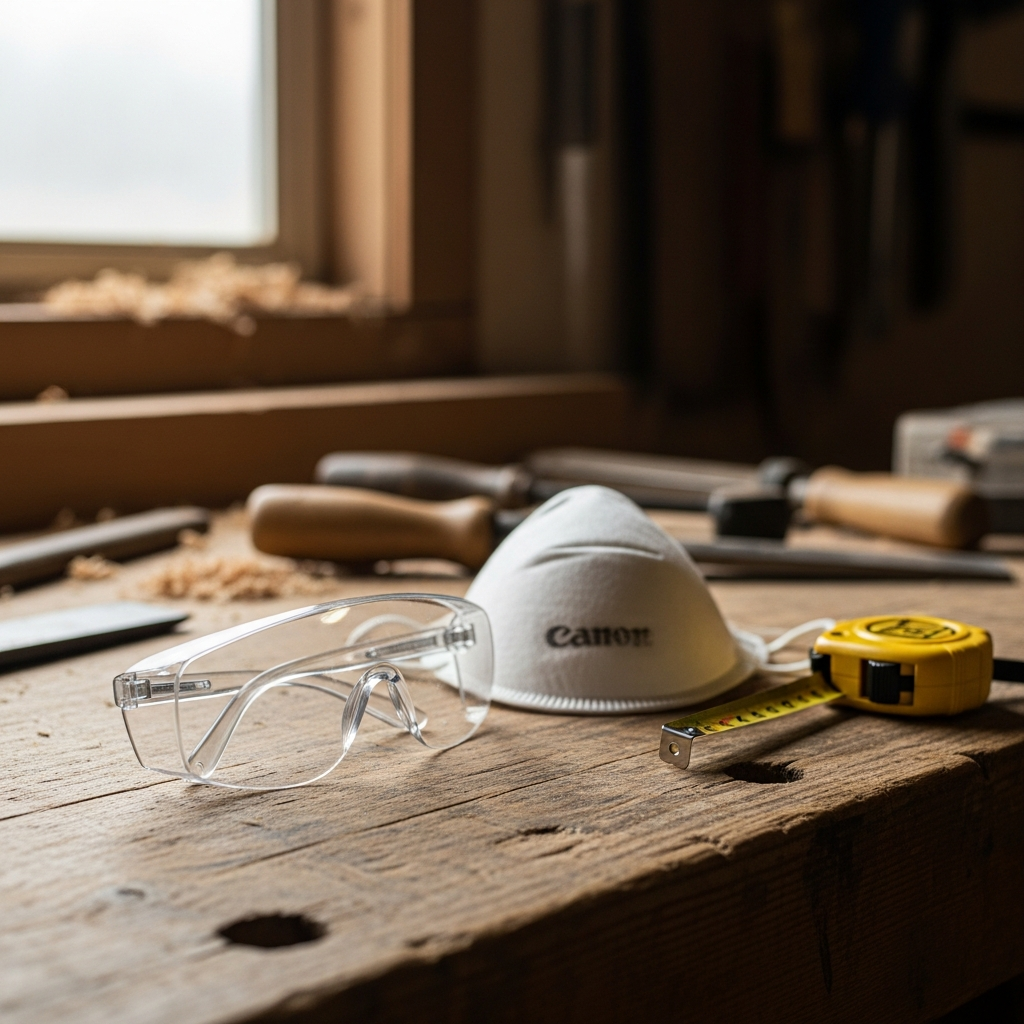
Wood chips fly. Saw blades throw debris. Hand tools slip. Sharp fragments can permanently damage eyes in an instant. Wear safety glasses whenever working with tools. No exceptions, no matter how quick the task.
Choose glasses that fit comfortably enough to wear constantly. Wraparound styles block debris from the sides. Anti-fog coatings help in humid conditions or during temperature changes. Keep several pairs around the shop so you’re never without protection.
Safety glasses differ from regular eyeglasses. Standard prescription lenses may shatter on impact. Wear safety glasses over your regular glasses, or invest in prescription safety glasses rated for impact resistance.
Hearing Protection: Matters More Than You’d Think
Hearing damage accumulates silently over years. By the time you notice hearing loss, significant permanent damage has occurred. Power tools, especially routers, planers, and shop vacuums, operate well above safe levels for unprotected exposure.
Disposable foam plugs cost pennies and reduce noise significantly. Over-ear muffs provide more protection and don’t irritate ear canals. Either beats unprotected exposure to tool noise.
Hand tools work quietly enough to skip hearing protection. But once you start any power equipment, ear protection should go on automatically.
Dust Protection: The Hidden Danger
Fine wood dust presents serious health risks. It penetrates deep into lungs, causing respiratory problems that develop gradually over years. Some species (cedar, walnut, exotic hardwoods) trigger allergic reactions or contain toxic compounds.
Disposable N95 masks block most wood dust effectively. For sanding or power tool work, they should be standard equipment. Simple paper dust masks rated for nuisance dust provide inadequate protection.
Dust collection at the source beats relying entirely on masks. Even basic shop vacuum attachments capture dust before it becomes airborne. Combine collection systems with personal protection for best results.
Finishing products, adhesives, and solvents require additional protection. Many release volatile compounds requiring chemical respirators with appropriate cartridges. Read product labels for specific protection requirements.
What Matters Less Than People Claim
Elaborate Safety Rituals
Some advice creates false security through complexity. Checking that every electrical cord is perfectly coiled before each session doesn’t prevent injuries. Knowing where your fingers are relative to cutting edges does.
Specific Tool Fears
Table saws have outsized reputations for danger. They cause injuries because they’re used constantly, not because they’re uniquely dangerous. Any spinning blade demands respect. A bandsaw will remove fingers just as effectively as a table saw.
Protective Clothing Extremes
Leather aprons and steel-toed boots suit some operations. For general shop work, reasonable clothing suffices. Avoid loose sleeves or dangling jewelry around spinning tools. Remove ties and lanyards. Common sense covers most situations.
What Actually Causes Injuries
Rushing
Most shop accidents happen when hurrying. Taking “just one more quick cut” without setting up properly. Finishing a project for a deadline. Working while tired or distracted. Slow down. The work will wait.
Dull Tools
Dull tools require excessive force. Excessive force causes slips. Slips cause injuries. Sharp tools cut cleanly with moderate pressure, providing better control. Maintain your edges.
Poor Workholding
Unsecured work moves unexpectedly. Whether hand-held or machine-fed, loose material behaves unpredictably. Clamp, hold, or fixture everything properly before cutting.
Removing Safety Features
Blade guards, riving knives, and safety switches exist because experience proved their value. Removing them for convenience invites the problems they prevent. Use the safety features your tools provide.
Building Good Habits
Know Where Your Hands Are
Before each cut, consciously verify hand position. Not near the blade path. Not where a slip would bring them into danger. This awareness prevents the most common injury cause.
Think Before Cutting
Visualize the operation before starting. What could go wrong? What happens when the cut completes? Where will offcuts go? Brief mental rehearsal identifies problems before they occur.
Maintain Focus
Workshop injuries spike when attention wanders. Conversations, phones, and mental fatigue all degrade focus. When you notice attention drifting, stop working. Take a break. Resume when you can concentrate fully.
Emergency Preparation
Keep a first aid kit stocked and accessible. Know where it is without searching. Include bandages for cuts, eyewash for debris, and supplies for common minor injuries.
Know when to seek medical attention. Deep cuts, eye injuries, and anything involving power tool contact warrant professional evaluation. Don’t tough out injuries that could worsen without treatment.
The Right Mindset
Respect tools without fearing them. Healthy caution differs from paranoia. Power tools are machines that follow physics predictably. Understanding their behavior enables safe operation.
Every experienced woodworker has minor injuries in their history—small cuts, splinters, close calls that reinforced safe habits. The goal isn’t avoiding all contact with wood but preventing serious harm while doing productive work.
Wear eye protection. Use hearing protection with loud tools. Wear dust masks when generating fine particles. Keep tools sharp. Secure your work. Pay attention. These basics cover almost everything that actually matters.


Stay in the loop
Get the latest wood working workshop updates delivered to your inbox.