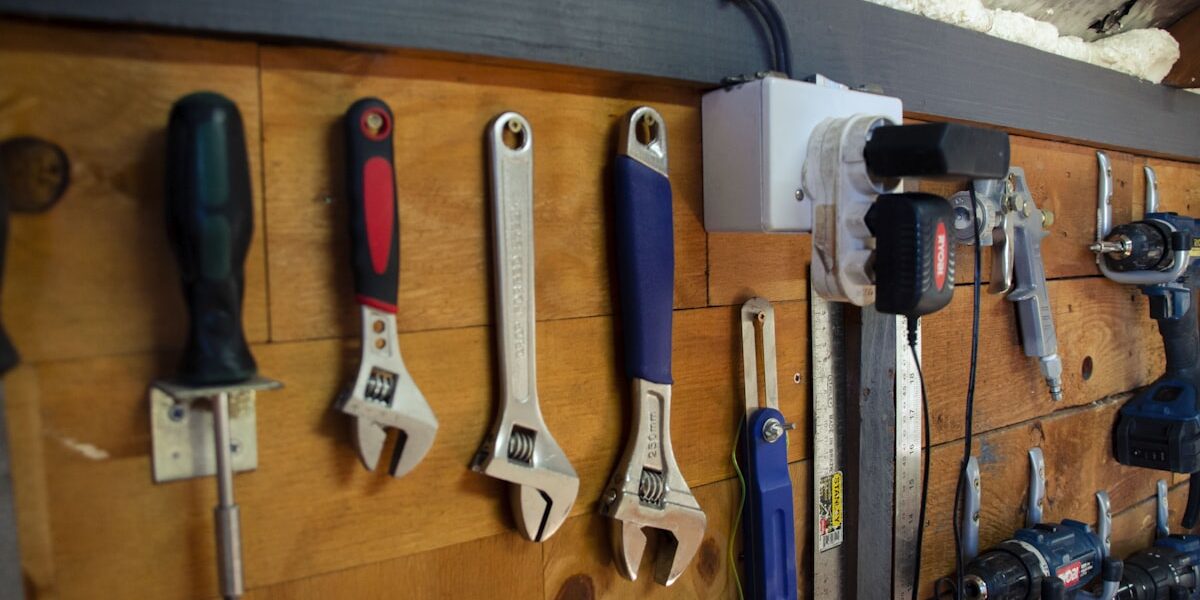
Chainsaw carving turns logs into sculptures using the least refined tool in woodworking. It’s loud, fast, and surprisingly precise in practiced hands.
Getting Started
Most chainsaw carvers use smaller saws—16 to 20 inch bars for detail work. A full-size logging saw removes material quickly but lacks finesse. Electric saws work for smaller pieces and offer quieter operation.
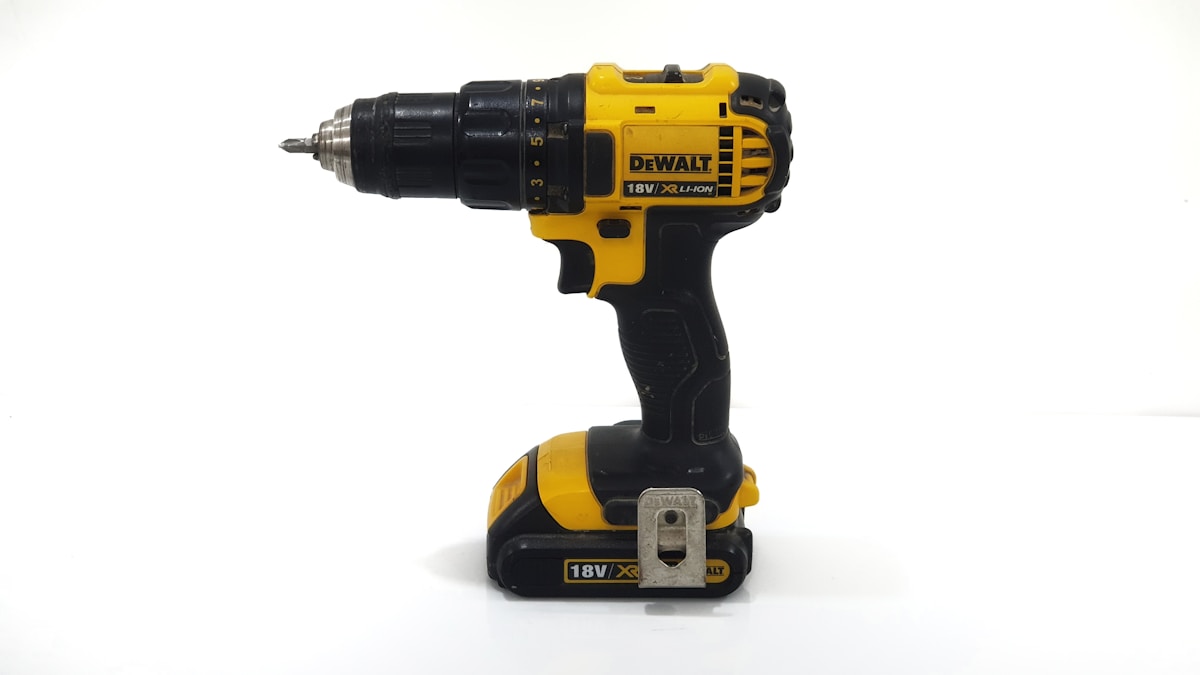
Carving-specific bars and chains exist. Dime-tip bars have a smaller radius for tighter cuts. Carving chains have fewer teeth with aggressive geometry. Some carvers modify standard equipment; others buy purpose-built tools.
Safety Comes First
Chainsaw carving accidents happen fast. Chaps, face shield, hearing protection, and gloves aren’t optional. The saw kicks back unpredictably when cutting curves and details. Work at arm’s length when possible.
Many carvers remove the chain brake for better control during detailed cuts. This trades one safety feature for another—better control means fewer unexpected movements. Understand the tradeoff before making this modification.
Learning the Craft
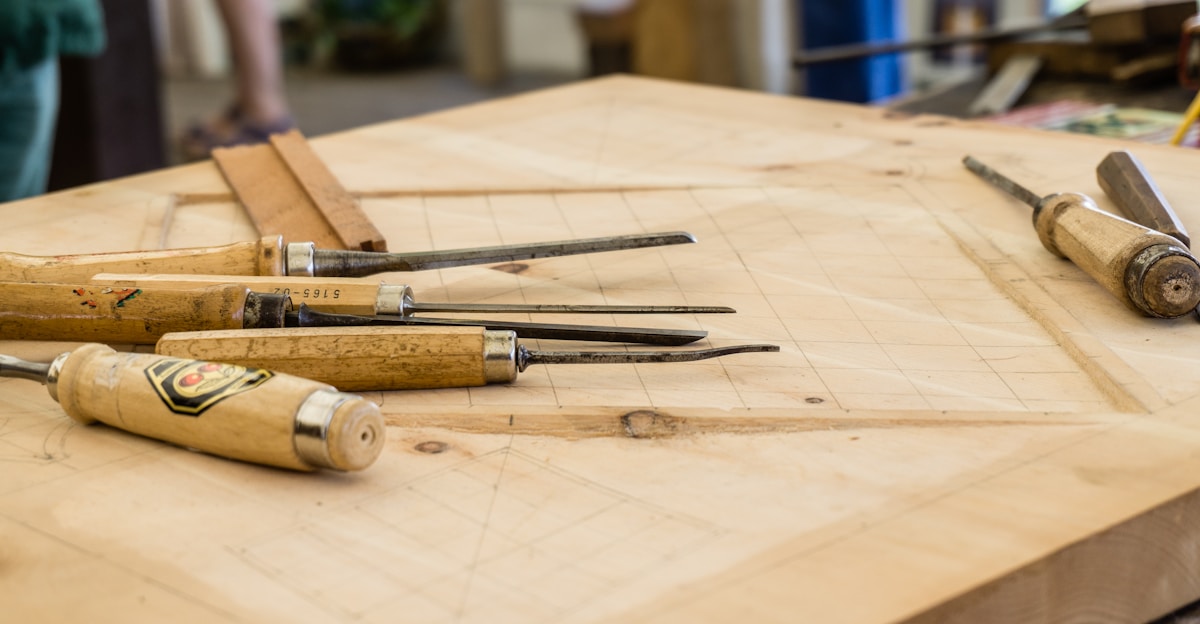
Bears seem to be the universal first project. The rounded form forgives mistakes, and the subject sells well at craft shows. From bears, carvers often move to eagles, fish, and eventually human figures.
Workshops and YouTube videos provide instruction, but the learning happens through practice. Cheap softwood logs—pine, cedar, cottonwood—make good learning material. Save the expensive hardwoods for after the basics click.
Refining the Work
The chainsaw does rough shaping. Angle grinders with carving discs add detail. Die grinders handle fine work. Many finished pieces show no chainsaw marks at all—the saw just removes bulk material quickly.
Some carvers leave visible chainsaw texture as a style element. The tool marks become part of the aesthetic, emphasizing the unusual medium.
Preserving Carvings
Outdoor carvings need protection from weather. Exterior finishes like spar varnish or marine paint extend life but require maintenance. Some carvers apply linseed oil annually. Others let pieces weather naturally.
Checking and cracking happen as logs dry. Working green wood carves easier but splits more. Stabilizing with PEG (polyethylene glycol) before carving reduces cracking but adds time and expense.
Making It Work
Chainsaw carving can become a business. Custom carvings, competition prizes, and craft show sales support some carvers full-time. The spectacle of live carving draws crowds and generates commissions.
Like any art form, the market rewards both skill and marketing. Building a following takes time and consistent output. Social media helps—chainsaw carving photographs and videos well.

Stay in the loop
Get the latest wood working workshop updates delivered to your inbox.