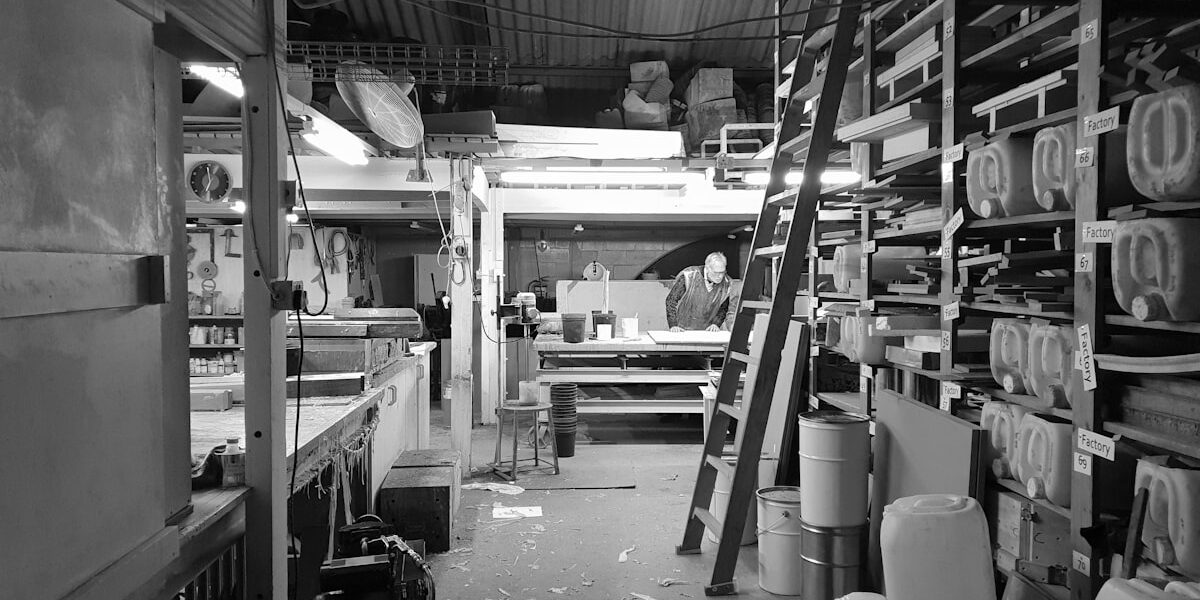
Drill Bits for Metal vs. Wood
Drill bit selection has gotten confusing with all the options and vague descriptions on packaging. As someone who drills into both wood and metal regularly in the shop, I learned what the differences actually mean for real-world results. Today, I will share it all with you.
Material Composition
Here’s the thing nobody tells you about drill bits: the material they’re made from determines their performance ceiling. Using the wrong bit type on the wrong material wastes bits and produces bad results.
Metal drill bits are made from high-speed steel (HSS), cobalt alloy, or carbide. HSS handles most common metals — mild steel, aluminum, brass. Cobalt bits are the choice for stainless steel and harder alloys because the cobalt content maintains hardness at the high temperatures that drilling hard metal generates. Carbide-tipped bits handle the hardest metals and last the longest, at the highest price point.
Wood drill bits are typically high-carbon steel or HSS. High-carbon steel is well-suited for wood — it takes a sharp edge and maintains it well enough for wood work where temperatures stay low. HSS wood bits offer more durability for heavy production use. I’m apparently the type who reaches for whatever bit is handy, which has cost me more than a few sets. Matching the bit to the material pays off immediately.
Design Differences
The geometry of the bit is what actually determines how it cuts, and metal bits and wood bits are designed for very different cutting conditions.
Metal drill bits have a tip angle of 118 to 135 degrees — the wider angle is more aggressive and handles harder metals better. The flute design is wider to clear metal shavings efficiently and reduce heat buildup. Without chip clearance, heat builds fast in metal drilling and destroys the bit’s temper.
Wood drill bits have a sharper tip angle, usually around 90 degrees, and many feature a brad point — a center spur that seats before the outer edges start cutting. That brad point is what keeps the bit from wandering across the grain when you start a hole. Without it, the bit skates before it bites, and precise hole placement becomes a fight.
Common Types of Drill Bits for Metal
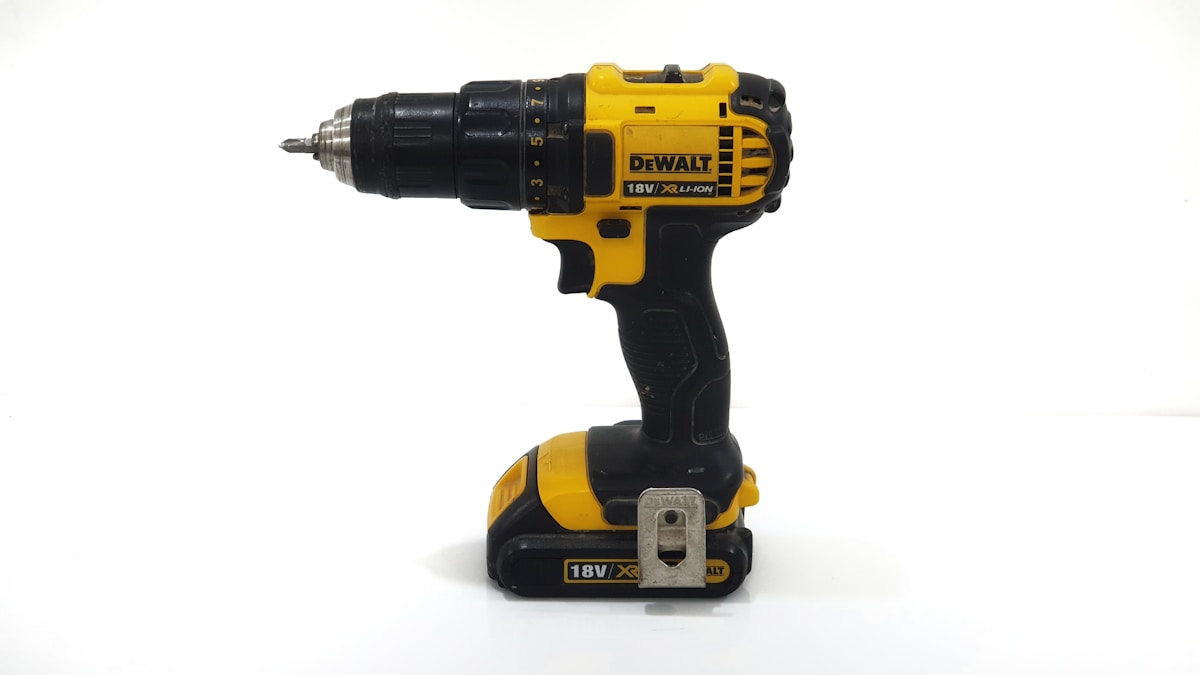
- Twist Bits: General-purpose HSS bits suitable for most common metals. The starting point for any metal drilling kit.
- Cobalt Bits: Best for hard metals — stainless steel, cast iron, hardened alloys. The cobalt content maintains cutting ability under heat that would ruin standard HSS.
- Carbide-Tipped Bits: For extremely hard metals where cobalt isn’t enough. Expensive but long-lasting in the right applications.
Common Types of Drill Bits for Wood
- Spade Bits: Fast, large-diameter holes in wood. Not the cleanest edge, but efficient for holes that will be hidden or used for wiring and plumbing rough-in. Cheap and effective for what they do.
- Brad Point Bits: The right choice when hole placement accuracy and clean entry and exit matter. The center spur provides precise positioning and the outer spurs score the wood before the main flutes remove material — minimizing tearout.
- Auger Bits: Built for deep holes in thick stock. The lead screw pulls the bit through the wood rather than requiring you to push — useful in heavy timber work. The deep spiral design clears chips from long holes efficiently.
Performance Factors
Metal drilling generates significant heat from friction. Cutting fluid is your friend here — apply it to the bit and the workpiece and it dramatically extends bit life and produces cleaner holes. Letting metal drilling run dry overheats the bit and either dulls it immediately or destroys the temper entirely. Slower drill speeds also help — metal requires patience that wood doesn’t.
Wood drilling generates less heat but different issues. Chips and dust pack into the flutes and reduce cutting efficiency. Back the bit out periodically on deep holes to clear the flutes. Speed matters in wood too — too slow in softwood causes burning; too fast with large-diameter bits in hardwood causes chatter and rough holes.
Durability and Maintenance
Metal bits wear faster than wood bits because the materials are harder and generate more heat. Store them in a protective case or roll rather than loose in a drawer where the cutting edges knock against each other. Sharpen when they start requiring noticeably more pressure to start a hole. Dull metal bits don’t just cut poorly — they generate more heat, accelerating further wear.
Wood bits are more durable in terms of use cycles but benefit from occasional sharpening too. Brad point bits can be touched up with a small file on the spurs and the main cutting edges. Auger bits are trickier to sharpen due to their geometry — take care of them and they’ll last a long time. Resin buildup on wood bits reduces cutting efficiency; clean them periodically.
Usability Tips
For metal: secure the workpiece with clamps — never hold it by hand while drilling. Apply cutting fluid consistently. Start with a center punch mark so the bit registers on entry without skating. For large holes, drill a pilot hole first to guide the final-size bit and prevent wandering.
For wood: choose the bit type for the specific job. Use brad point for visible, precise holes; spade for rough-in work; auger for deep holes. Secure the workpiece. For clean exits with brad point bits, drill until the center spur just breaks through, then flip and complete the hole from the other side — this eliminates tearout on the exit face. Maintain even pressure and let the bit do the cutting rather than forcing it.
The right bit for the right material costs less time and fewer frustrating outcomes than forcing the wrong one through. Once you understand why the designs differ, the choices become obvious.



Stay in the loop
Get the latest wood working workshop updates delivered to your inbox.