Dado vs Rabbet
Dado vs Rabbet
Dado vs rabbet confusion comes up constantly in woodworking discussions, and it’s understandable — both joints share some common applications and you can make both with the same tools. As someone who uses both regularly in cabinet and furniture work, I know exactly when one is the right choice and when the other is. Here’s the clear breakdown.
What is a Dado?
A dado is a slot or trench cut across the face of a board — running perpendicular to the board’s length in most applications. The key feature is that it sits in the middle of the board’s face, not at its edge. The slot receives the edge or end of another piece, creating a mechanical register that locks the joint in place perpendicular to the cut direction. Dadoes are the standard joint for shelf-in-cabinet construction because they hold the shelf against downward load without relying entirely on fasteners.
How to Create a Dado
There are three reliable methods, each with a practical use case:
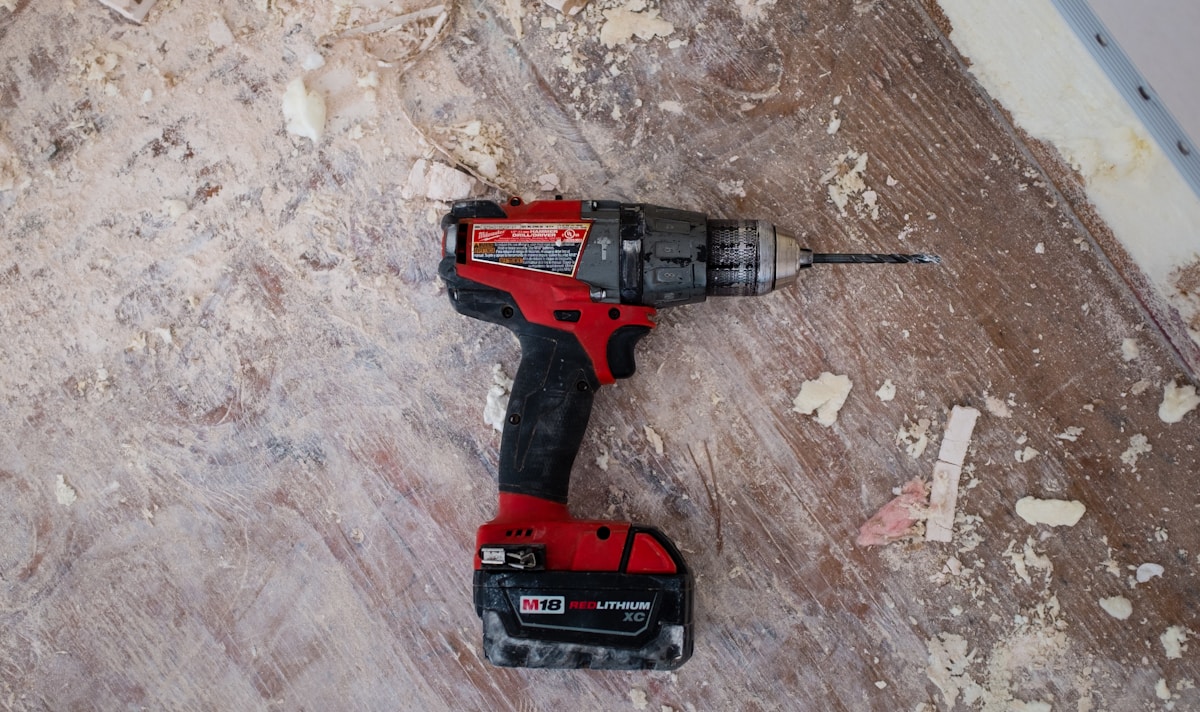
- Table Saw with Dado Set: The standard production method. A dado blade set — stacked outer blades and inner chippers — cuts the full width in one pass. Adjust the stack for the exact width needed to fit your mating piece with a snug, friction-free fit. Test on scrap from the same sheet until the fit is right before cutting project material.
- Router with Straight Bit: Slower than the table saw but more flexible — you can set up a guide fence or template for any width and run it anywhere on the panel, not just where you can feed the piece through a saw. Better for stopped dadoes and angled cuts.
- Hand Tools: A chisel and saw combination works for occasional dadoes where setting up power tool jigs isn’t practical. Saw the shoulders, remove the waste with a chisel, and pare to the line. Takes longer but requires no setup time.
Applications of Dado Joints
Dadoes handle structural applications where the mating piece needs to be supported against load:
- Shelving: The textbook dado application — a shelf sitting in a dado is locked against downward movement by the joint itself, not just by screws. In a bookcase with heavy loads, this matters considerably.
- Cabinetry: Cabinet sides receive the shelf dadoes; the bottom panel often sits in a dado or rabbet near the bottom of the sides. The whole carcass is dimensionally controlled by the dado widths and depths.
- Dividers: Any panel or partition sitting between two side pieces benefits from dadoes to register its position and resist racking loads.
What is a Rabbet?
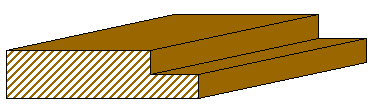
A rabbet is a recess or step cut along the edge or end of a board. That’s the critical distinction from a dado — a rabbet is at the perimeter, not the face. The resulting L-shaped cross-section fits over the edge of another piece, creating a joint that’s flush on one or both faces. Rabbets are what allow cabinet backs to sit recessed flush with the back edges of the sides, what let the back of a picture frame hold the glass and mat, and what create the positive register in many box and case constructions.
How to Create a Rabbet
Same tools, similar setup, different reference:
- Table Saw: Run the board on edge with a dado set or make two rip cuts — first cut to depth, then a second cut to remove the waste. The fence references the edge position precisely.
- Router: A rabbeting bit with interchangeable bearings cuts the rabbet in one pass. Change bearings to change the width. The bearing rides the edge of the board, referencing the cut off the edge automatically.
- Rabbet Plane (Hand Tool): The traditional method. A properly set rabbet plane handles this work quickly and quietly, and gives you excellent control over fit.
Applications of Rabbet Joints
Rabbets handle the places where dado can’t reach — the perimeter of the piece:
- Cabinetry: Cabinet backs sit in rabbets cut in the rear edges of the sides. This recesses the back panel and keeps it from showing proud of the sides.
- Frames: Picture frames, door frames, and window sash use rabbets to hold glass, panels, or screens with a clean, flush front face.
- Trim and Case Work: Where two pieces meet at an edge and you want a positive mechanical register rather than a simple butt joint, a rabbet gives a much stronger result.
Dado vs Rabbet: Key Differences
The distinction is primarily about location and function:
- Location: Dadoes cut across the face of a board; rabbets cut along the edge. This is the fundamental difference — it determines which joint fits where.
- Depth and Width: Dadoes are typically cut to 1/3 to 1/2 the thickness of the board and as wide as the piece being received. Rabbets are sized to match the thickness of the piece they receive and typically run the full depth that allows a flush fit.
- Tools: Both use the same tools — table saw dado set, router, or hand planes — but different setups and in some cases different bits (a router rabbeting bit vs. a straight bit for dadoes).
Strength and Durability
Dado joints offer more mechanical resistance to perpendicular loads because the mating piece is supported on both sides of the joint — the glue surface is maximized and the piece can’t rock. Rabbet joints are strong but rely more on the glue and mechanical registration at the edge rather than full-face support. For heavy shelving, dadoes are clearly the stronger choice. For panel retention and back installation, rabbets are the right tool for the joint.
Ease of Construction
Both joints are straightforward to execute with power tools once the setup is correct. Rabbets have a slight edge in setup simplicity for edge applications because the router rabbeting bit self-references off the edge. Dadoes require a fence or guide positioned at the correct offset from the cut line. Wish I’d started using dado sets earlier — they produce cleaner results in one pass than multiple router passes on wide dadoes.
Considerations in Choosing Between Dado and Rabbet
The choice usually makes itself once you know what the joint needs to do:
- Need to register a shelf or divider in the middle of a panel? Dado.
- Need to fit a back panel into the rear edges of a case? Rabbet.
- Need to fit a glass pane into a frame? Rabbet.
- Need to lock a fixed shelf against downward load in a bookcase? Dado.
Common Mistakes to Avoid
Mistakes that affect fit and strength:
- Wrong width: A dado or rabbet that’s too wide produces a sloppy joint with excess glue gap. Test cuts on scrap from the same sheet matter because sheet goods have thickness tolerances. A joint that fits perfectly on scrap from the same panel is what you’re after.
- Wrong depth: Too deep weakens the host piece; too shallow leaves the mating piece proud of the surface. Typically 1/3 the board thickness for dadoes, flush fit for rabbets.
- Dull blade or bit: Both joints require clean, crisp shoulders. Dull cutters produce torn or fuzzy walls that don’t glue cleanly.
- Not clamping during glue-up: Both joints need clamping pressure to close any small gaps and maintain position while the glue cures.
Best Practices for Strong Joints
- Test cuts on scrap first: Always. Material thickness varies, bit setups drift, fence positions need verification. Scrap from the same material as the project is the right test.
- Consistent feed speed: Especially on the router — uneven feed speed produces uneven depth in the cut, which produces a joint with varying fit across its length.
- Quality glue: PVA wood glue in a properly fitted dado or rabbet produces a joint stronger than the surrounding wood. Use it consistently.
- Clamp appropriately: Parallel clamps or cauls for dadoed shelves; edge clamps for rabbeted backs. Maintain pressure until full cure.
Advanced Techniques
For woodworkers who have mastered the basics:
- Finger Joints: Alternating rectangular tabs and slots provide significantly more glue surface than a simple dado or rabbet, making them excellent for drawer box corners and other high-stress applications.
- Biscuits as reinforcement: Adding biscuits perpendicular to a dado-joined shelf connection resists lateral racking forces that the dado alone doesn’t address well.
- Combining both: A dado with a rabbet is the stopped dado joint variation — cutting a dado that stops short of the front edge, with the mating shelf having a notch (rabbet) at its front corner to fit into the stopped dado. This gives the strength of a dado joint without the dado showing at the front edge of the case side. Common in fine furniture cabinet work.

Stay in the loop
Get the latest wood working workshop updates delivered to your inbox.