
Woodworking Stores Near Me
Finding Woodworking Stores Near You: What to Look For
Finding the right woodworking store has gotten more involved with the range of options between big-box retailers, dedicated woodworking specialty shops, and online suppliers. As someone who has shopped all of them over the years, I’ve figured out what each offers and when each one is the right choice. Here’s what I know about finding the right woodworking store for where you are and what you need.
What a Good Woodworking Store Looks Like
A store worth driving to has three things: a meaningful selection of tools, quality lumber and sheet goods, and staff who actually know woodworking. The staff part is harder to verify before you walk in, but it becomes obvious fast. Someone who can answer a question about bit selection for a specific application is worth more to you than a large floor area full of products nobody can explain.
The right inventory depends on your work. Hand tool enthusiasts need a different store than someone building cabinets with power equipment. The ideal shop carries both but excels at neither; specialty stores serve specific woodworking disciplines better but require more searching to find.
Online Retailers: When They’re the Right Answer
Rockler and Woodcraft both maintain extensive online catalogs with good product descriptions and useful customer reviews. For specialty items — unusual router bits, specific hardware, rare wood species — online ordering often beats what’s locally available. Shipping is generally fast, return policies tend to be reasonable, and the selection depth exceeds what any physical store can maintain in stock.
That’s what makes online woodworking retailers so useful to woodworkers outside major metro areas — access to specialty items that would otherwise require a significant drive or a long wait for a special order.
Understanding the Different Store Types
Big Box Stores
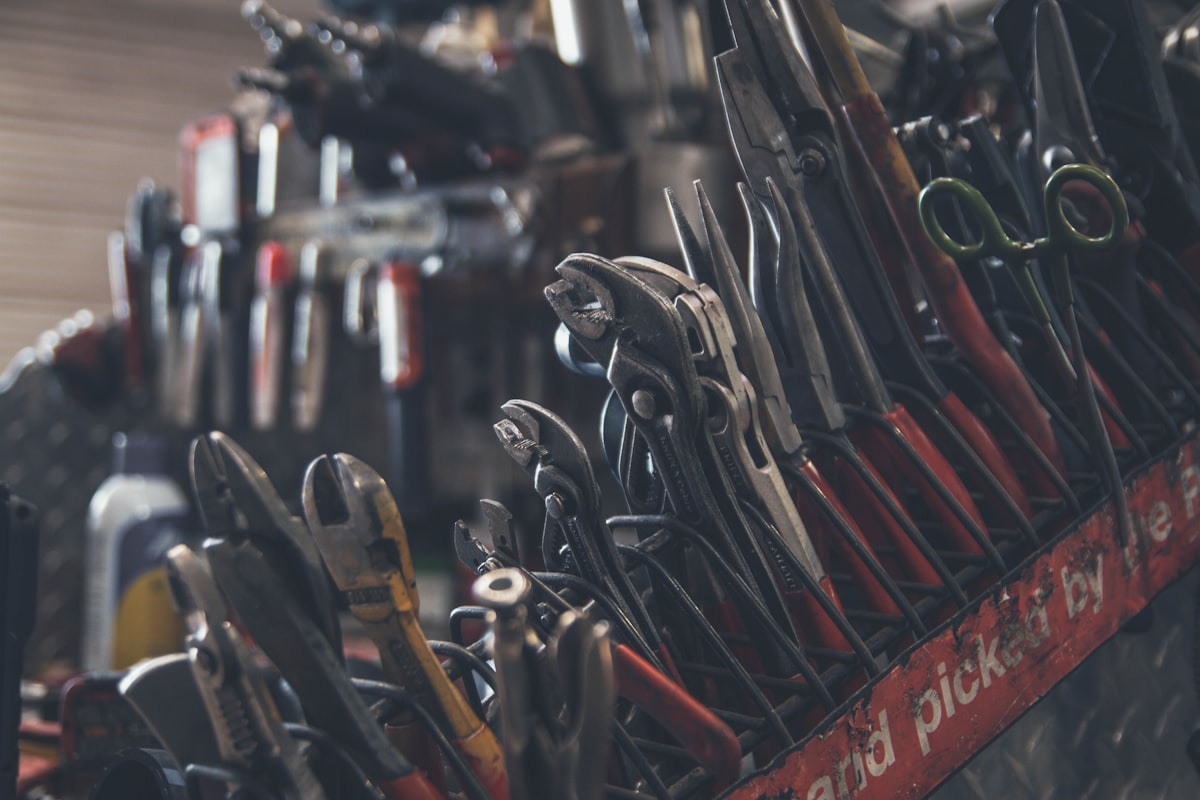
Home Depot and Lowe’s are accessible, convenient, and carry the fundamentals. Dimensional lumber, plywood, basic power tools, and common hardware are all available without a special trip. The limitation is selection depth — mass-market brands and standard sizes, not specialty hardwoods or premium hand tool lines. For routine supplies and common materials, big-box stores are efficient. For quality tools and hardwood lumber, they fall short.
Specialty Stores

Woodcraft and Rockler stores are the national chains dedicated to woodworking. Independent local shops vary considerably but often carry regional hardwoods and develop expertise in specific areas. Specialty stores stock premium hand tools, quality router bits, quality sharpening equipment, and wood species you won’t find at the hardware store. Many offer classes and workshops, which is significant — the ability to learn in person from experienced woodworkers is part of what makes these stores worth seeking out.
Evaluating What a Store Actually Has
Tool selection is the first thing I check. Name brands like DeWalt, Makita, Bosch, Lie-Nielsen, and Veritas signal a store that’s serious about woodworking tools. Hand tools alongside power tools suggest a broader customer base and more expert staff. The depth of the router bit selection tells you a lot — a store with fifty profiles and multiple quality tiers understands their customers’ work.
Lumber selection matters enormously. A meaningful hardwood selection — multiple species in actual surfaced and rough stock, at usable widths and thicknesses — separates a real woodworking store from a home improvement store that happens to sell some tools. Finishes, adhesives, and hardware round out the picture.
The Customer Service Question
Staff knowledge is the differentiator that doesn’t show in photos or websites. You find out how good it is by asking a real question. A good woodworking store has at least one person on the floor who can talk through bit selection for a specific joint, recommend the right sandpaper sequence for a finishing question, or explain the actual differences between similar products. That knowledge is worth something beyond just the products.
Classes and Workshops
Some specialty stores offer classes that range from basic joinery to specific techniques. These have real value for woodworkers trying to develop skills that are hard to learn from videos — hand tool sharpening and use, hand-cut dovetails, router setup and technique. An in-person session with an experienced instructor accelerates learning in ways that self-study can’t fully replace. Check what’s scheduled before dismissing a store as “just retail.”
Community Connections
Good woodworking stores connect their customers with each other — bulletin boards, local club announcements, online community groups. That network has practical value: you find out who does good machine work, where the best hardwood lumber is locally available, and what other woodworkers in your area are building and learning from. My shop buddy and I found each other through a local woodworking club newsletter posted at our area specialty store.
Pricing and Long-Term Value
Price comparison matters, but comparing a premium hand plane to a bargain bin equivalent isn’t a fair comparison. Tools priced higher at specialty stores often represent genuinely better quality that justifies the cost over years of use. Loyalty programs at specialty stores can add up meaningfully if you shop there consistently — worth factoring into the true cost calculation.
Physical Store vs. Online: The Practical Synthesis
The most efficient approach uses both. Physical stores let you inspect wood grain, feel tool ergonomics, and get advice before buying. Online stores cover the specialty items your local store doesn’t stock and often beat local prices on commodities. Using local stores for advice and relationship-building while using online suppliers for deep selection is the approach most serious woodworkers I know have settled on.
Resources Worth Looking For
Beyond tools and materials, look for stores that carry good woodworking books and magazines — the physical selection tells you something about who the store thinks its customers are. Tool rental and lending programs, where they exist, provide access to equipment you’d only use occasionally without the full purchase commitment.



Stay in the loop
Get the latest wood working workshop updates delivered to your inbox.