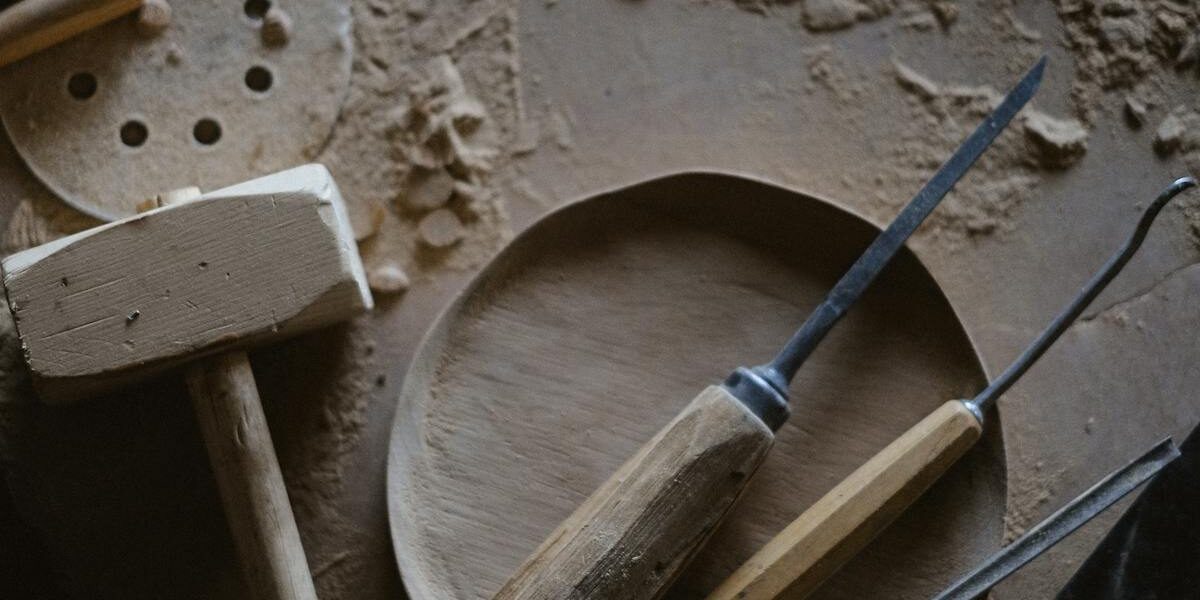
Starting Your Woodworking Journey
The hardest part of woodworking isn’t cutting dovetails or sharpening chisels. It’s deciding where to begin. With countless YouTube tutorials, tool catalogs, and project plans competing for your attention, analysis paralysis hits hard. Here’s how to actually start without getting overwhelmed or spending a fortune.
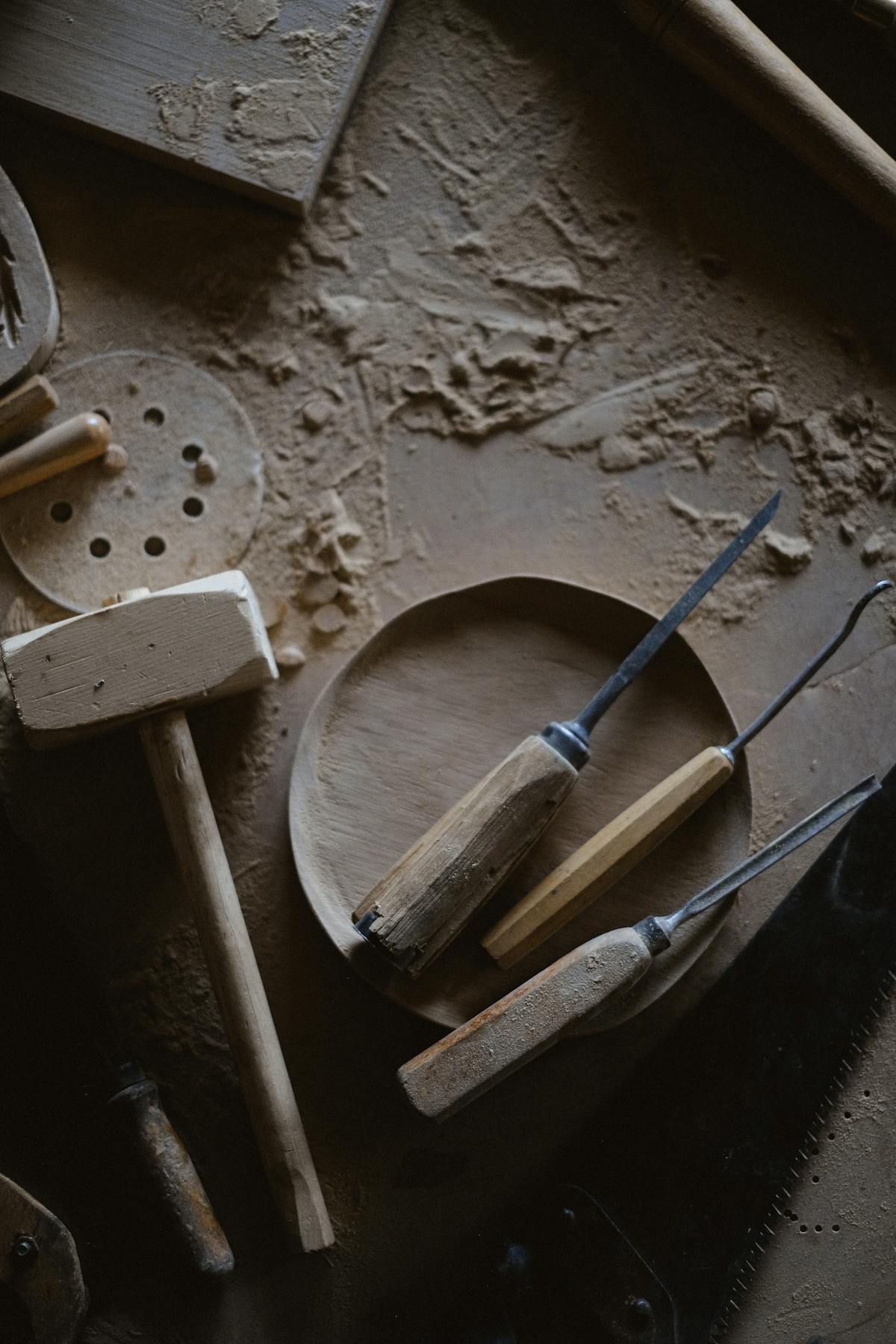
Choosing an Appropriate First Project
Your first project should meet three criteria: useful, achievable, and forgiving. Useful means something you’ll actually use around your home. Achievable means completable in a single weekend. Forgiving means minor mistakes won’t ruin the entire piece.
A cutting board checks all three boxes. You’ll use it daily, it takes only a few hours, and small gaps in the glue joints just add character. A simple storage box works equally well. Even a basic shelf mounted on the wall teaches essential skills.
Avoid furniture projects initially. That dining table in your head requires skills you haven’t developed yet. The beautiful live-edge coffee table needs tools you probably don’t own. Start small. Complete projects. Build confidence.
Essential Tools for Beginners
The tool question stops more beginners than any technical challenge. Here’s the truth: you need far fewer tools than catalogs suggest. Start with these fundamentals and add tools only as specific needs arise.
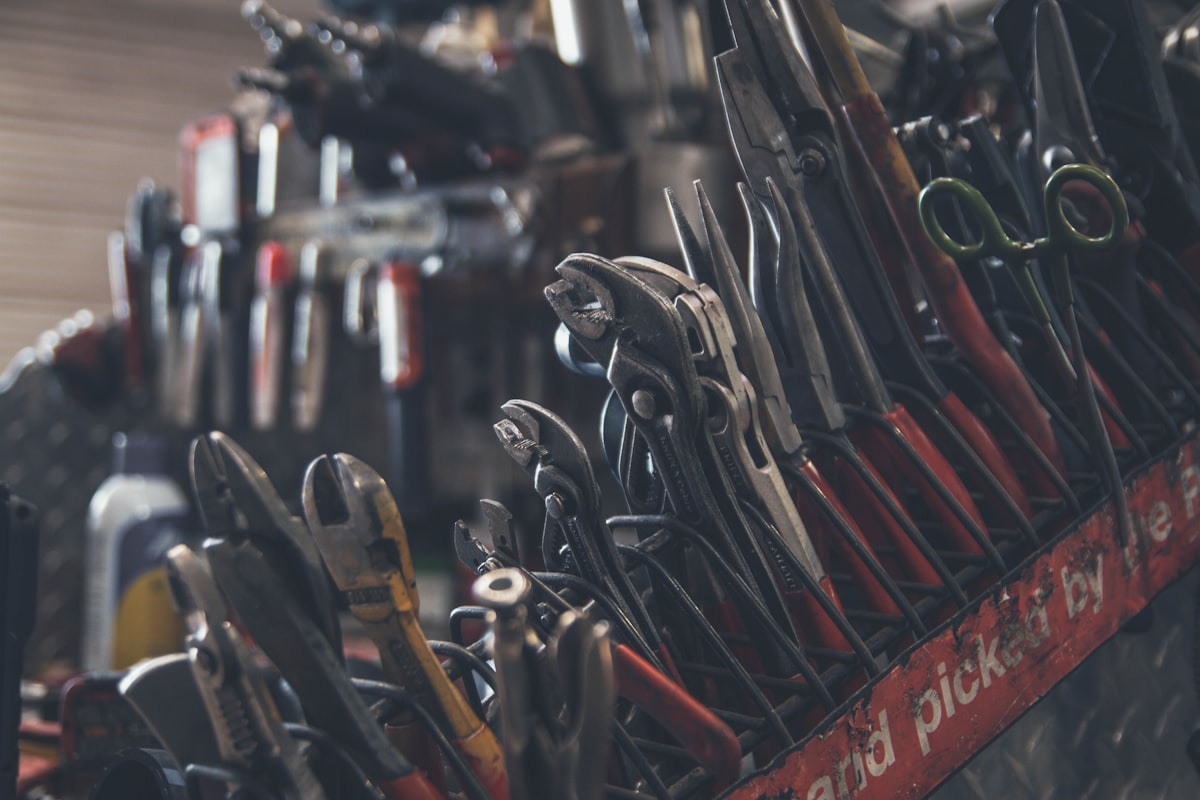
Measuring and marking: A combination square and a tape measure handle 90% of layout work. Add a marking knife or sharp pencil.
Cutting: A circular saw makes straight cuts in sheet goods and lumber. A handsaw or Japanese pull saw handles detail work.
Shaping: A block plane smooths end grain and fits joints. A random orbit sander speeds up surface preparation.
Assembly: Three or four bar clamps plus a few spring clamps cover most glue-ups. A cordless drill drives screws and bores holes.
This entire kit costs under $200 if you buy used or shop sales. Resist the urge to buy everything at once. Each tool you purchase should solve a specific problem you’ve encountered.
Wood Selection for First Projects
Hardwood versus softwood matters less than you think for beginner projects. Pine costs less and machines easily, though it dents and scratches. Poplar offers a step up in durability while remaining affordable. Maple, cherry, and walnut look beautiful but cost significantly more.
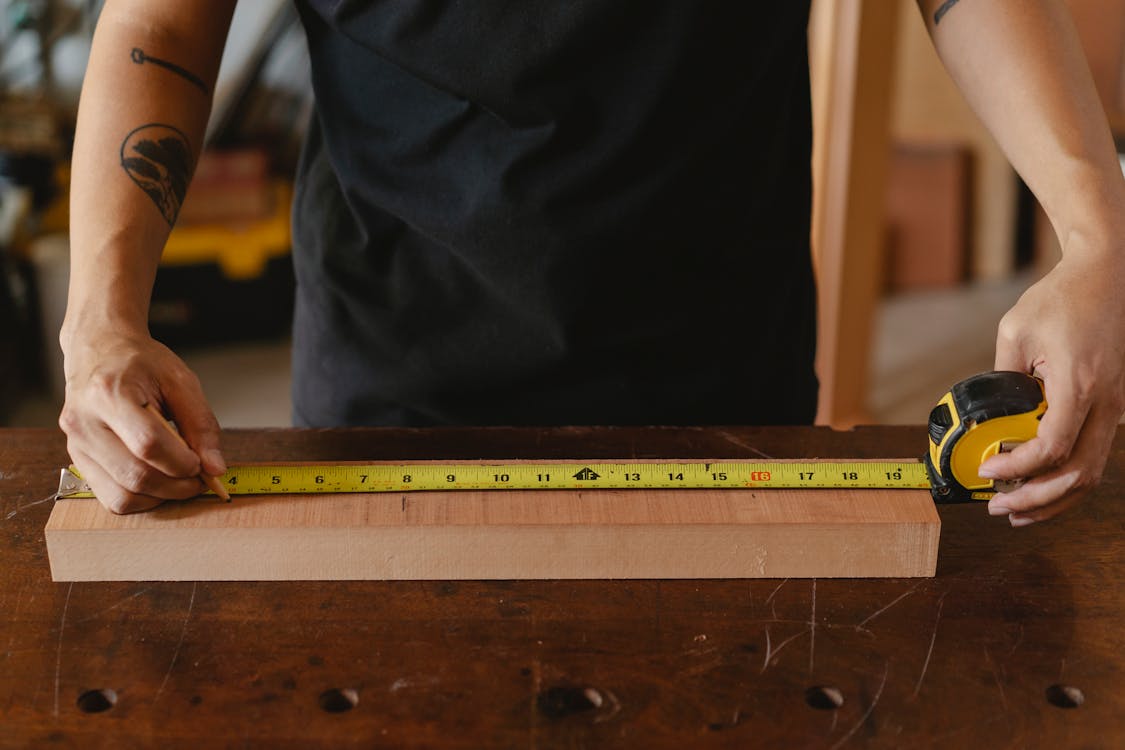
For your first cutting board, buy a single board of hard maple from your local lumber yard. For a simple box, dimensional lumber from the home center works fine. Let cost and availability guide early material choices.
Always inspect boards before purchase. Look for straight grain, minimal knots, and no warping or twisting. Cupped or bowed boards fight you during every operation.
Step-by-Step Approach to Your First Project
Every woodworking project follows the same basic sequence: design, mill, cut, shape, assemble, finish. Understanding this flow prevents confusion.
Design: Sketch your project with dimensions. Nothing fancy. Graph paper works. Know your final dimensions before cutting anything.
Mill: Get your lumber flat, straight, and square. For beginners using dimensional lumber, this step happens at the store.
Cut: Make your parts. Measure twice. Cut once. Label parts as you cut them to avoid confusion later.
Shape: Smooth surfaces, round edges, cut joinery. This is where projects start looking finished.
Assembly: Dry-fit first. Always. Then glue and clamp. Clean up squeeze-out immediately.
Finish: Sand through the grits. Apply your chosen finish. Let it cure fully before use.
Common Beginner Mistakes

Skipping dry fits: Glue sets fast. Discovering a problem after applying glue creates panic and sloppy work. Always dry-fit assemblies first.
Rushing finishes: Finishes need proper cure time. Using a project before the finish hardens ruins your work. Follow manufacturer instructions exactly.
Ignoring grain direction: Planing or sanding against the grain tears wood fibers. Always work with the grain.
Over-tightening clamps: Excessive clamp pressure squeezes out too much glue, starving the joint. Firm pressure suffices.
Expecting perfection: Your first projects will have visible mistakes. This is normal and expected. Each project teaches lessons that improve the next one.
Learning from YouTube and Online Resources
YouTube revolutionized woodworking education. Channels like Paul Sellers teach hand tool fundamentals. Steve Ramsey focuses on beginner-friendly power tool projects. Jonathan Katz-Moses demonstrates technique refinements.
Watch project videos completely before starting. Note the tools used and techniques required. If a video assumes skills you don’t have, find simpler projects first.
Supplement videos with books. Tage Frid Teaches Woodworking covers fundamentals comprehensively. The Complete Manual of Woodworking provides encyclopedic reference. These resources fill gaps that videos miss.
Building Skills Progressively
Skills stack. Cutting boards teach panel glue-ups. Boxes introduce basic joinery. Shelves add wall mounting. Small tables combine multiple skills. Each project builds naturally on previous ones.
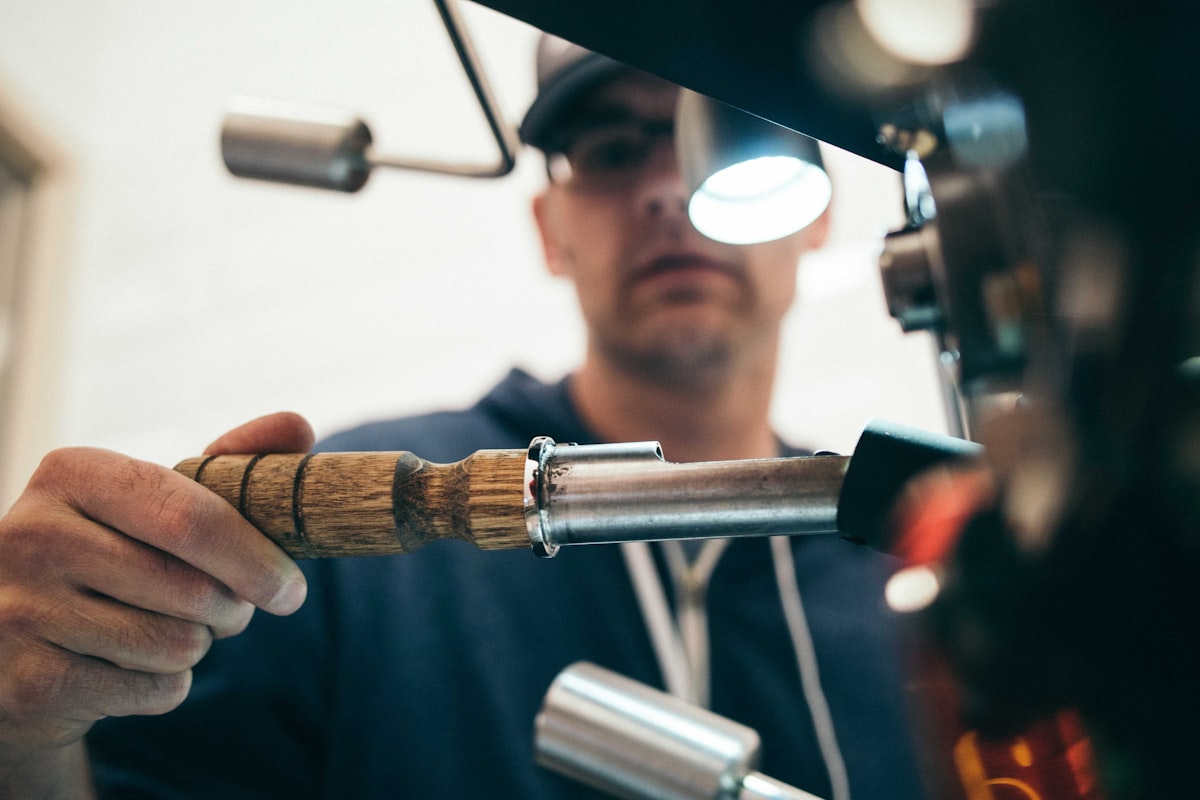
Don’t jump ahead. Master butt joints before attempting dovetails. Understand glue bonds before trying mortise and tenon. Rushing to advanced techniques without foundational skills produces frustration and poor results.
Project Ideas Ranked by Difficulty
Beginner (1-2 hours): Cutting board, phone stand, simple coasters, shop push sticks
Easy (3-4 hours): Storage box with lid, floating shelf, basic picture frame, tool tote
Intermediate (weekend project): Step stool, small side table, blanket chest, bookshelf
Advanced (multiple weekends): Writing desk, dining table, dresser, bed frame
Getting Started Today
Pick a simple project. Gather basic tools. Buy some wood. Make something. Your first project won’t be perfect, but it will be finished, and that matters far more than perfection ever will. The skills you develop now become the foundation for everything you build in the future.
Start today. Start simple. Keep building.

Stay in the loop
Get the latest wood working workshop updates delivered to your inbox.