Furniture Woodworking Projects
Furniture woodworking projects have gotten a lot of buzz with all the beginner content and tutorial videos flying around. As someone who has built everything from simple shelves to full bedroom sets over the years, I learned what actually prepares you to take on progressively more ambitious builds. Today, I will share it all with you.
Essential Tools and Materials
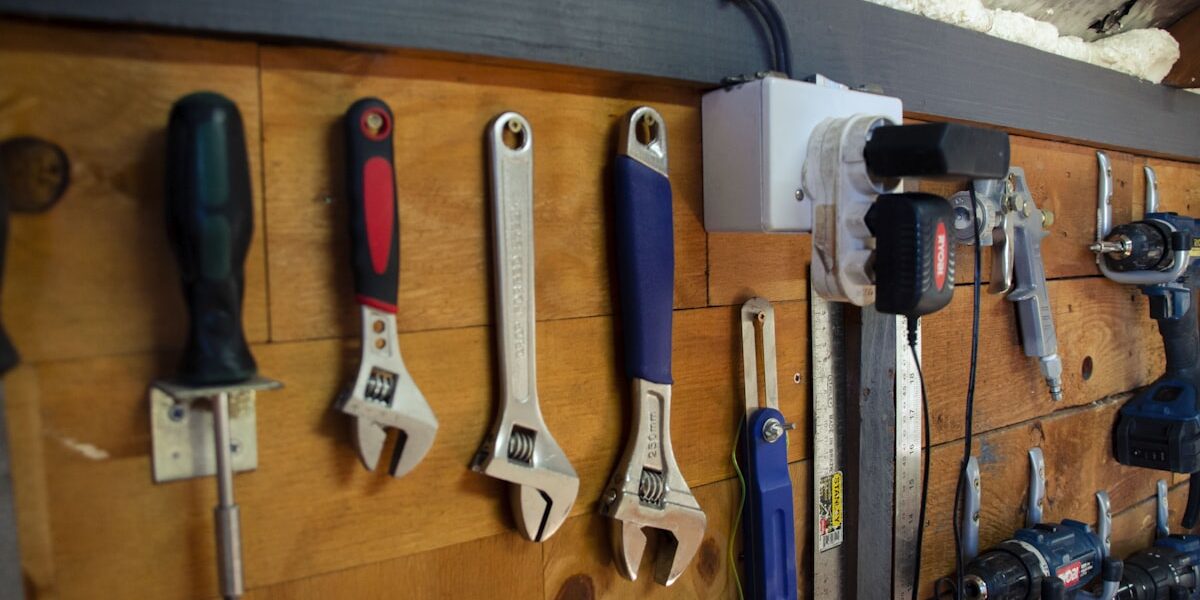
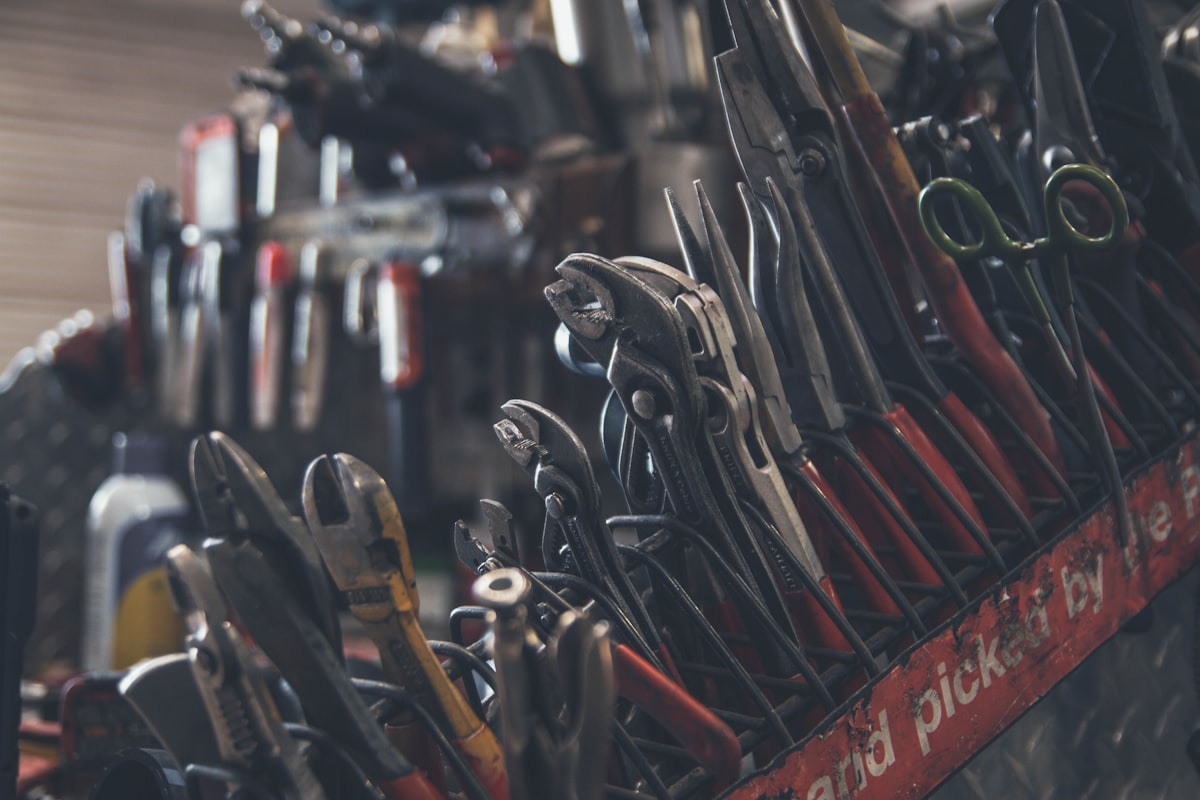
Before diving into specific projects, get the right tools in place. You don’t need everything at once, but the basics cover a wide range of jobs:
- Saw (circular saw, jigsaw, or hand saw)
- Hammer
- Chisels
- Drill and bits
- Measuring tape
- Square
- Screwdrivers
- Wood glue
- Sandpaper
Materials range from different wood species — oak, pine, maple — to hardware like screws, nails, and hinges. Selecting quality wood that matches what your project demands is one of those things nobody stresses enough at the beginning. Wish I’d known this when I started — a lot of early frustration came from cheap boards that weren’t properly dried.
Simple Projects for Beginners
Starting simple is how you build real skills, not just following a plan once and thinking you’ve got it. These beginner projects teach the fundamentals you’ll use on everything more complex that comes after.
Bookshelf
A simple bookshelf is probably the best starting point in furniture woodworking. Measure and cut the wood to size, using a square to confirm accurate 90-degree angles. Sand the boards to knock down rough edges. Assemble the carcass with wood glue and screws, making sure everything is square before the glue sets. Apply paint or stain to finish. Took me three bookshelves before the assembly process felt natural — each one taught me something the last one didn’t.
Side Table
A side table is another excellent beginner build. Cut the tabletop and legs, join them with wood glue and screws, sand the surfaces smooth, and apply a finish. Simple enough that the whole process is learnable in a weekend, but it teaches joinery, leveling, and finishing in a single project.
Picture Frame
Crafting a picture frame forces you to get comfortable with miter cuts — a skill that transfers directly to furniture work. Cut the four pieces at 45-degree angles for tight corner joints. Glue and pin nail the corners together, check for square, then sand and finish. Precision here pays off immediately when you see whether the miters line up cleanly or gape open.
Intermediate Projects
Dining Table
A dining table demands more planning and more skill. Cut the top and leg stock to dimension. Join the legs to the apron using mortise-and-tenon or dowel joints — this is where stronger joinery methods start to matter. Level the table, check for racking, and sand the top flat before applying a protective finish. Building a dining table that actually gets used daily for years is one of the most satisfying things you can do in a shop.
Chair
Building a chair is harder than most beginners expect — the angles involved in the seat, backrest, and legs require careful layout and cutting. Assemble with glue, screws, or dowels, paying close attention to the compound angles that determine whether the chair is comfortable or awkward. Sand and finish as desired. Chairs are where intermediate builders get humbled, and also where they level up.
Dresser
A dresser introduces you to drawer construction, which is its own skill set. Build the carcass first, then measure, cut, and fit the drawers — they need to slide smoothly but without excessive slop. Install drawer slides for consistent operation. Sand and finish carefully; a dresser lives in a bedroom where the finish quality is noticed up close every day.
Advanced Projects
Roll-Top Desk
A roll-top desk is a serious challenge. The tambour — the rolling cover — requires its own construction technique involving fabric-backed slats that must flex smoothly in the curved tracks. Build the desk base first, then tackle the roll-top mechanism. The hardware selection and precise fitting of the tambour in its channels is where most builders spend the majority of their time and patience.
Canopy Bed
A canopy bed requires large stock, careful structural planning, and joints that can handle the dynamic loads of a bed in daily use. Build the frame and canopy posts with strong mortise-and-tenon or drawbore joinery. Structural integrity is non-negotiable here. Sand and finish to bring out the wood’s grain — a piece this large deserves a finish that does it justice.
Wardrobe
Constructing a wardrobe is a large-scale cabinetry project. Plan the interior layout carefully — shelf heights, hanging rod placement, drawer banks — before cutting a single board. Build the main frame, hang the doors with consistent gaps, and install the interior fittings. The finish work on a wardrobe this size requires patience; rushing the sanding shows.
Tips for Successful Woodworking Projects
Safety first, always. Goggles and gloves are non-negotiable. Work in a ventilated shop. Read the tool manuals, especially for equipment you’re using for the first time.
Measure accurately. The measure-twice, cut-once principle isn’t just a saying — it’s the difference between a board that fits and a board that’s now scrap. Every experienced woodworker has stories about what happens when they skip this step.
Match the wood species to the project’s demands. Pine and softer species are easier to work but dent and scratch more readily. Hardwoods like oak and maple take more effort to cut and shape but hold up under heavy use for decades.
Finish properly. Sand through the grits systematically, not just once with whatever grit you grabbed first. Apply finish in thin coats rather than trying to build it up in one pass. Let each coat dry fully before the next.
Benefits of Woodworking
There’s a reason people get hooked on this. Woodworking demands focus — when you’re laying out a joint or following a cut line, there’s no room for whatever else was on your mind. The stress relief is genuine. The creativity and problem-solving that come with adapting a plan to the wood you have or the tools you own build real skills over time. And finishing a piece you designed and built yourself, something that actually gets used — that doesn’t get old no matter how many projects you’ve done.

Stay in the loop
Get the latest wood working workshop updates delivered to your inbox.