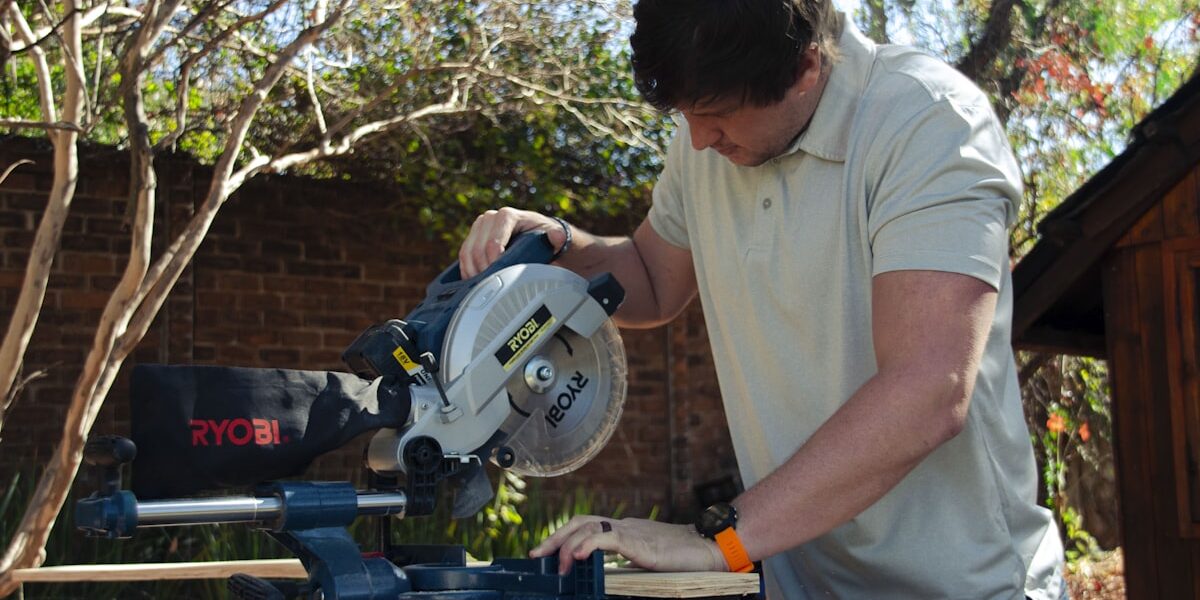
I got into woodworking about fifteen years ago when my dad handed me a block plane and a piece of cherry and said “make it smooth.” That was the entire lesson. No YouTube tutorial, no fancy tools, just a plane and a board. I still have that piece of cherry on a shelf in my shop. It’s terrible. Uneven, scratched, one corner is weirdly rounded. But it’s where everything started.
Woodworking is one of those crafts where you can learn the basics in a weekend and spend a lifetime getting better. That’s not a cliche — it’s the honest truth. So let me walk you through the stuff I wish someone had told me on day one.
Know Your Wood
There are two broad categories: hardwood and softwood. Hardwood comes from deciduous trees — oak, maple, cherry, walnut. These are the heavy hitters, literally. Dense, durable, and gorgeous when finished. Softwood comes from conifers — pine, cedar, spruce. Lighter, cheaper, and way more forgiving when you’re learning.
- Hardwood: Use it for furniture, flooring, cabinets — anything you want to last. It costs more and fights back harder when you cut it, but the results are worth it.
- Softwood: Perfect for construction projects, outdoor builds, and practice pieces. Pine is dirt cheap and available at every lumber yard and home center in the country.
Start with softwood while you’re learning. Seriously. Don’t blow $200 on walnut just to screw up your joinery practice.
Tools You’ll Actually Need
You don’t need a shop full of expensive equipment to start. Here’s what I’d grab first:
- Saws: A decent handsaw for detailed work and a circular saw for breaking down sheet goods and rough lumber. You can add a table saw later when you’re hooked.
- Chisels: A basic set of bench chisels. Keep them sharp. Dull chisels are dangerous and useless.
- Planes: A block plane and a #5 jack plane will cover 90% of what you need. Flatten surfaces, smooth edges, trim joints.
- Screwdrivers: Flathead and Phillips. You’ll use them more than you think.
- Measuring tools: Tape measure, combination square, pencil. Accuracy starts here.
- Hammer and mallet: A regular hammer for nails, a wooden or rubber mallet for chisels and assembly.
- Clamps: Buy more than you think you need. Then buy a few more. You can never have enough clamps.
Techniques That Matter Most
Tools are great, but knowing how to use them properly is what separates firewood from furniture.
- Measuring and marking: Measure twice, mark clearly, then measure again. I’ve wasted more boards from bad measurements than I care to admit.
- Cutting: Practice straight cuts first. Then angles. Then curves. Each type has its own rhythm and you develop a feel for it over time.
- Joinery: This is where woodworking gets interesting. Dovetails, mortise and tenon, biscuit joints, pocket screws — there are a dozen ways to connect two pieces of wood, each with its own strengths. Start with pocket screws or butt joints and work your way up.
- Sanding: Nobody’s favorite step, but it makes or breaks the final product. Start coarse, work fine. Don’t skip grits.
- Finishing: Stain, paint, oil, varnish — pick one and learn it well. In my experience, a good finish can make an average build look great, and a bad finish can ruin a perfect build.
Don’t Lose a Finger
Safety goggles. Hearing protection. Dust mask. Every single time you walk into the shop. Keep your blades sharp — dull tools require more force and slip more. Use push sticks on the table saw. Keep your workspace clean so you’re not tripping over offcuts. And understand every tool before you turn it on.
I know a guy who nearly lost his thumb to a router because he was holding the workpiece wrong. It took three months to heal. Three months he could’ve spent building things instead of doing hand therapy. Take safety seriously.

Projects to Get You Started
- Furniture: Start with a simple shelf or a small side table. Move up to chairs, bookshelves, and full dining tables as your skills grow.
- Decorative stuff: Picture frames, cutting boards, candle holders. Quick projects that teach you precision and finishing.
- Outdoor builds: A planter box, a garden bench, a birdhouse. Great for practicing with softwoods and outdoor finishes.
- Functional items: Cutting boards, coasters, serving trays. Useful things you can actually give as gifts.
Find Your People
Woodworking can be a solitary hobby, but it doesn’t have to be. Join a local woodworking club or an online forum. The people you meet will teach you tricks that took them years to figure out. I’ve gotten some of my best shop tips from random conversations at lumberyard parking lots and woodworking meetups.
Never Stop Learning
I’ve been at this for fifteen years and I still learn something new every month. Books, online videos, classes at the community college, just trying new techniques on scrap wood. The craft is deep. You can go down the rabbit hole of hand tools, or CNC machines, or wood turning, or carving, or boat building — it’s all woodworking, and it’s all connected.
Where to Find Good Wood
Your local lumber yard is the obvious answer, but don’t overlook other sources. Reclaimed wood from old buildings has incredible character. Craigslist and Facebook Marketplace often have people selling lumber from downed trees. Some cities have urban wood programs that mill trees from parks and developments. In my experience, the best wood often comes from the weirdest places.
Take Care of Your Tools
A sharp chisel is a joy. A dull chisel is a frustrating, dangerous hunk of metal. Learn to sharpen your edge tools — it’s a skill in itself, but it’ll make everything in the shop easier. Oil your hand tools to prevent rust. Clean your power tools after each session. Store everything where you can find it. A well-maintained tool set makes the work smoother and more enjoyable.
Set Up Your Space
You don’t need a huge dedicated workshop to start. A corner of the garage works. A sturdy workbench is your foundation — build or buy one that’s flat, heavy, and at the right height for you. Good lighting matters more than most people realize. And ventilation is a must when you’re sanding or applying finishes. My first “shop” was literally a fold-out table in my driveway. You work with what you’ve got.
Plan Before You Cut
I’ve found that spending an hour planning saves three hours of fixing mistakes. Sketch your project, write down every dimension, figure out your cut list, and gather all materials before you start sawing. It’s not the exciting part, but it’s the difference between a smooth build and a frustrating one.
Patience Is the Real Skill
The best woodworkers I know are patient people. They measure carefully. They let glue dry fully. They sand through every grit. They don’t rush a finish. Woodworking rewards patience and punishes impatience — pretty consistently, in my experience.
Jigs Are Your Secret Weapon
A jig is just a device that holds your workpiece or guides your tool for consistent, repeatable results. You can make them from scraps in minutes and they’ll improve your accuracy overnight. I’ve got jigs for drilling shelf pin holes, cutting box joints, and making consistent tapers.
Think About the Environment
Use sustainably sourced wood when you can. Minimize waste by planning your cuts carefully. Save your offcuts for small projects and jigs. Recycle sawdust as mulch or compost. And pick finishes with low VOC content — your lungs and the planet will thank you.
Where to Find Inspiration
Nature, architecture, museums, design magazines, other woodworkers’ Instagram feeds — inspiration is everywhere once you start looking. I keep a folder on my phone of interesting furniture designs and wood grain patterns I spot in the wild. Some of my best projects started as a photo I took of someone else’s coffee table at a restaurant.
Woodworking as Therapy
There’s something about working with your hands that shuts off the noise in your head. I’ve had rough days at work where an hour in the shop with a hand plane brought me back to normal. The focus required to make a good cut or fit a tight joint leaves no room for whatever else was bothering you. A lot of woodworkers I know say the same thing — it’s meditation with sawdust.
Can You Make Money at This?
Absolutely. Custom cutting boards, furniture, picture frames, wooden signs — people will pay for handmade quality. Etsy, local craft fairs, farmers markets, and word of mouth are all viable channels. Fair warning though: turning a hobby into a business changes the relationship. What used to be relaxing becomes deadline-driven. Some people thrive on that. Others prefer to keep woodworking as their escape. Either way is fine.


Stay in the loop
Get the latest wood working workshop updates delivered to your inbox.