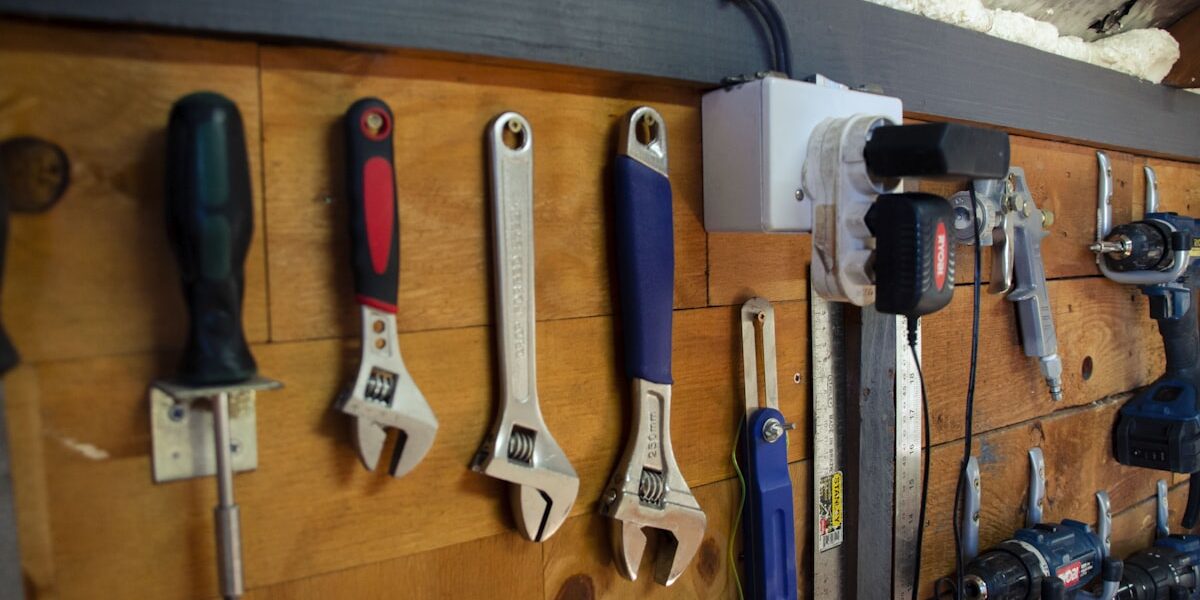
As someone who’s been building furniture and dabbling in hand-tool joinery for over a decade, I’ve received my share of both incredibly useful gifts and well-intentioned misses. Today, I’ll share what actually gets used in the shop — and what collects dust.
Hand Tools
Quality hand tools are where I’d spend money first. They offer precision and control that power tools genuinely can’t match — and a good chisel or hand plane lasts a lifetime.
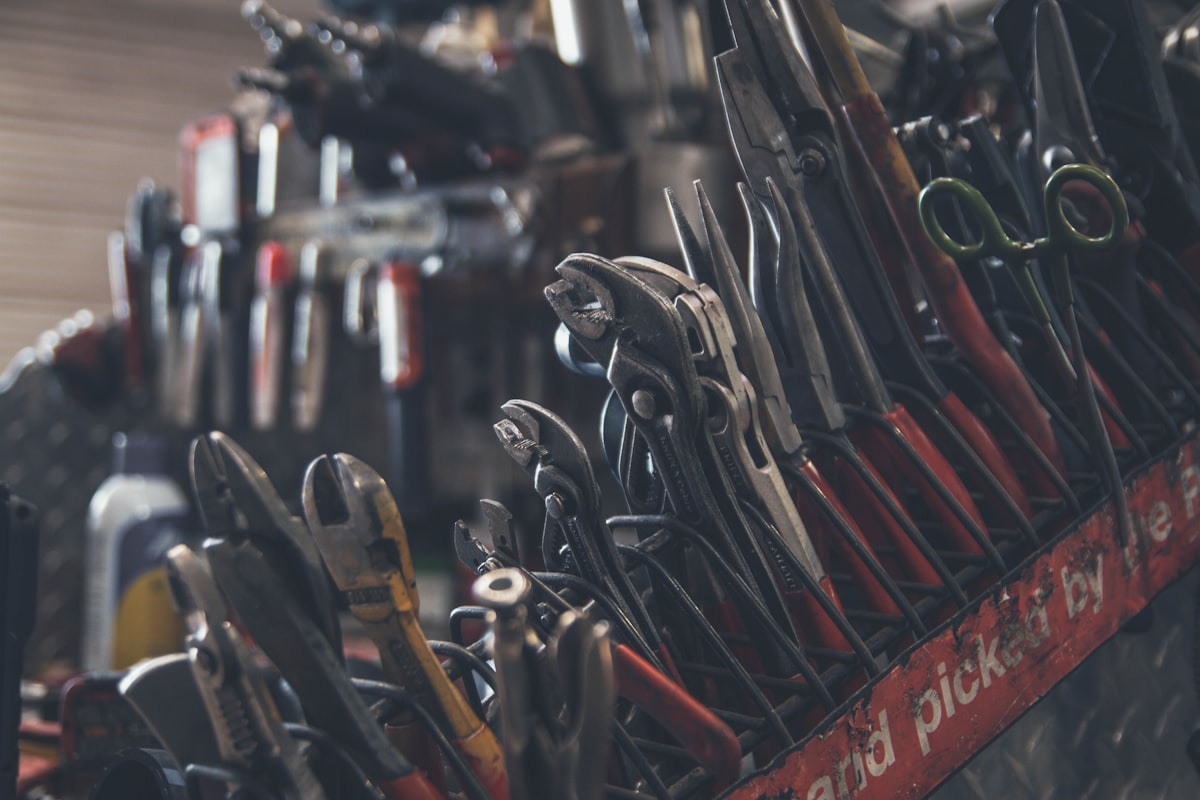
- Chisels: A set of sharp chisels is a must. Look for brands like Stanley or Narex — both punch well above their price. Wish I’d started with Narex instead of whatever bargain set I grabbed at the hardware store first.
- Hand Planes: A premium hand plane from Lie-Nielsen is the kind of gift that gets used every single session. They’re spendy, but woodworkers who know know.
- Hand Saws: Japanese pull saws are popular for good reason — their accuracy and ease of use convert people fast. My shop buddy swears by his Suizan, and honestly he’s not wrong.
- Rasps and Files: These are perfect for detailed shaping and smoothing work. Underrated, honestly. A good Nicholson or Auriou rasp will get used far more than you’d expect.
Power Tools
Power tools handle the heavy lifting — the rough dimensioning, the repetitive tasks. Here’s what actually earns its floor space:
- Drill Press: Provides precision drilling that hand drills just can’t achieve, especially on angled work. Took me longer than it should have to add one to my shop.
- Table Saw: The cornerstone of most workshops — ideal for ripping and crosscutting. Not a cheap gift, but if budget isn’t a concern, few things change a woodworker’s capability more.
- Random Orbital Sander: Great for smooth, even sanding of large surfaces. Every woodworker owns one; a good one (Festool, Mirka) is a serious upgrade.
- Router: Essential for shaping edges and making intricate cuts. If they don’t have one, they want one.
Measuring and Marking Tools
Here’s the thing nobody tells you about measuring tools: cheap ones will sabotage good work. The square that’s slightly off, the calipers that drift — they ruin joints silently. Quality measuring gear is one of the better gifts you can give.
- Combination Square: Used for checking and marking 90 and 45-degree angles. Starrett makes the gold standard. I’m apparently a Starrett person — the knockoffs never feel right to me.
- Calipers: Measure thickness and depth with great accuracy. Digital calipers under $30 are genuinely good these days.
- Marking Gauge: Ideal for scribing accurate lines parallel to an edge. A Veritas wheel-style gauge changed how I approach joinery.
- Layout Squares: Ensure precise and right-angle cuts and joints. Every woodworker uses them constantly.
Woodworking Books
Books provide inspiration, knowledge, and techniques you’d never stumble onto on your own. Some highly regarded titles that I keep coming back to:

- The Woodworker’s Bible by Percy Blandford: A comprehensive guide covering all aspects of woodworking — dense with actual information.
- The Complete Manual of Woodworking by Albert Jackson, David Day, and Simon Jennings: Detailed techniques and projects. I’ve lent this one out more times than I can count.
- The Workbench Design Book by Christopher Schwarz: Deep insights into building your perfect workbench. More interesting than it sounds, even if you’re not building a bench anytime soon.
- Good Clean Fun by Nick Offerman: Entertaining and instructional, blending humor with genuine woodworking wisdom. Converts non-woodworkers into interested observers.
Workshop Accessories
Accessories can dramatically improve a woodworker’s efficiency and comfort. These practical items often go un-bought because woodworkers spend all their money on tools:
- Dust Collection System: Keeps the workshop clean and reduces health risks. Seriously undervalued until you have one.
- Workbench Vise: Adds stability when working on projects. A good vise transforms the workbench.
- Tool Organizers: Keeps tools orderly and accessible. Any wall-mounted system that gets tools off the bench counts.
- Anti-Fatigue Mats: Provides real comfort for long hours standing at the workbench.
Safety Gear
Safety is non-negotiable in the shop. Good gear that’s comfortable actually gets worn, which is the whole point:
- Safety Glasses: Protects eyes from dust and debris. Get the kind that fit well — they only help if they’re on your face.
- Hearing Protection: Reduces risks of hearing loss from power tools. Foam plugs work, but comfortable over-ear protection gets used more consistently.
- Dust Masks/Respirators: Essential for preventing inhalation of fine dust particles. A proper N95 or half-mask respirator beats paper dust masks by a wide margin.
- Work Gloves: Protects hands from splinters, cuts, and blisters. Light nitrile gloves for finishing, heavier ones for rough work.
Woodworking Classes and Workshops
Learning new skills or perfecting techniques can be a genuinely wonderful gift — especially for woodworkers who feel stuck at a plateau. Local woodworking clubs or community colleges often offer classes. Online platforms like Udemy and MasterClass also have solid content. I learned more from a single weekend joinery workshop than from months of shop time on my own.
Customizable Gifts
Adding a personal touch shows real thoughtfulness. A few ideas that land well:
- Customized Tool Engraving: Have their name or initials engraved on their favorite tools. Especially meaningful for hand tools that get passed down.
- Personalized Aprons: A shop apron with their name or a message embroidered is practical and personal.
- Bespoke Toolboxes: Custom-built or commissioned toolboxes to their specifications. A woodworker who builds furniture but doesn’t have a proper tool chest always needs one.
- Handmade Wooden Items: Craft or commission items like mallets or handles from specialty woods. A hand-turned mallet is something they’d never buy themselves.
Gift Ideas by Skill Level
Matching gifts to a woodworker’s experience level ensures your present actually gets used. Consider where the recipient is on the woodworking journey — because a beginner and an advanced builder have very different needs.
Beginner woodworkers benefit most from quality basics that replace the cheap tools often found in starter sets. A good combination square, a set of sharp chisels, or a quality block plane will serve them for decades. Instructional books or online course subscriptions help build skills alongside the tool collection.
Intermediate woodworkers typically have basics covered and appreciate specialty tools that enable new techniques. A dovetail saw, card scrapers, or a small shoulder plane opens doors to hand-cut joinery. Upgraded measuring tools like a quality marking gauge or bevel gauge improve precision on joints. Took me three ruined boards to appreciate how much a better marking gauge matters.
Advanced woodworkers often have most tools covered, making consumables and premium accessories excellent choices. High-quality sandpaper assortments, specialty finishes, or exotic wood blanks for turning all get used. Gift cards to specialty woodworking retailers let them choose exactly what they need.
Experiences Over Things
For woodworkers who seemingly have everything, consider gifting experiences rather than objects. Workshop classes teach new skills in a hands-on environment that books and YouTube videos can’t replicate. Woodworking shows and exhibitions offer inspiration and access to tools they might not otherwise encounter.
Tool sharpening services give dull edges new life — and most woodworkers have a drawer full of chisels and plane irons quietly waiting for professional attention. A subscription to a premium woodworking magazine or video series provides ongoing education throughout the year.
Budget-Friendly Options
Meaningful woodworking gifts don’t require major investment. Quality safety gear like comfortable hearing protection or clear safety glasses always finds use. Kneeling pads, shop aprons, and magnetic tool holders solve everyday workshop problems without breaking the bank.
Consumables make practical gifts at any price point: sandpaper assortments, wood glue, finish supplies, or hardware like hinges and drawer slides. These items get used on every project, so quality versions are always appreciated. Wish I’d known earlier how much good sandpaper matters — it’s the kind of thing you don’t think about until someone gives you the good stuff.

Stay in the loop
Get the latest wood working workshop updates delivered to your inbox.