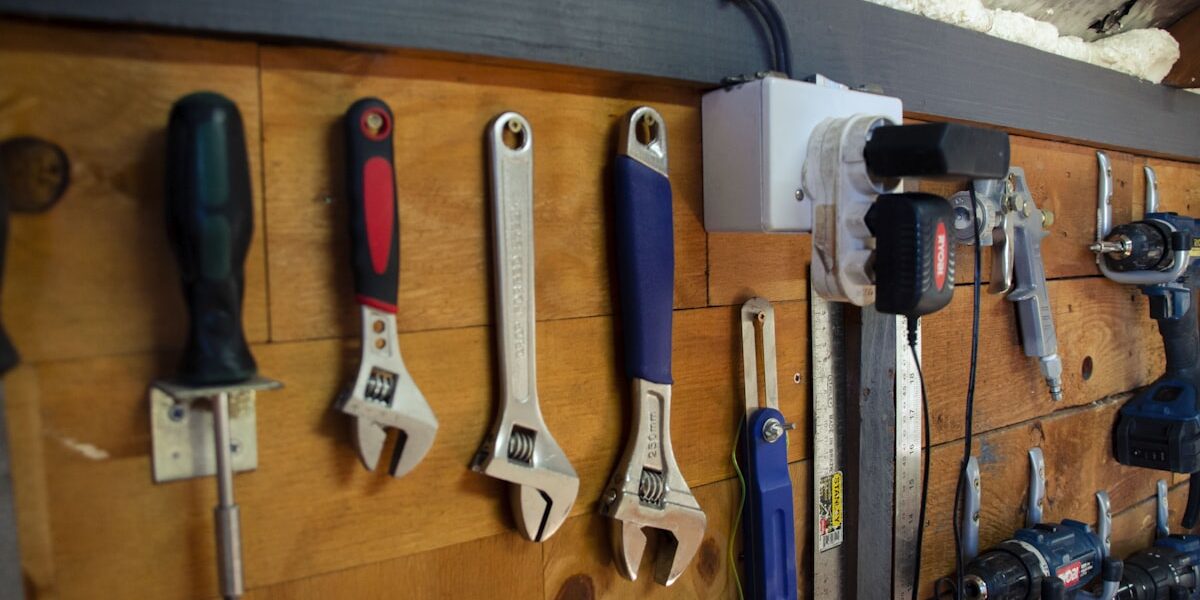
Dado Charging Station Build
Dado blades have gotten complicated with all the conflicting opinions flying around online. As someone who’s been cutting dadoes since before stacked sets were widely affordable, I learned pretty much everything there is to know about this setup. Today, I’ll share it all with you.
Understanding the Dado Blade
A dado blade is a blade — or more accurately, a set of blades — designed to cut wide grooves in one pass. Standard saw blades cut a thin kerf, usually an eighth of an inch or so. A dado setup cuts a full-width groove anywhere from a quarter inch to sometimes three-quarters of an inch wide, depending on how you configure it.
But what is a dado charger, exactly? In short, it’s a specialized blade assembly. But it’s a lot more nuanced than that. The way it removes material in a single pass is what makes it so useful to woodworkers — cutting dadoes the old-fashioned way, with multiple passes, is tedious and inconsistent.
Key Features
What distinguishes a dado setup from regular saw blades?
- Adjustable Width: Most dado sets allow adjustments to the cutting width by adding or removing chippers. This is crucial for creating snug-fitting joints.
- Stacked Blades: Many models use a series of stacked blades and chippers. The outer blades handle the clean shoulder cuts, while chippers clear the material in between.
- Consistent Depth: Ensures that the dado cuts are of a uniform depth, providing a cleaner fit for joints.
Types of Dado Blades
There are primarily two types of dado setups you’ll encounter: stacked dado sets and wobble blades. I’m apparently a stacked-set person — wobble blades work for some folks but have never done it for me. Here’s the breakdown.
Stacked Dado Sets
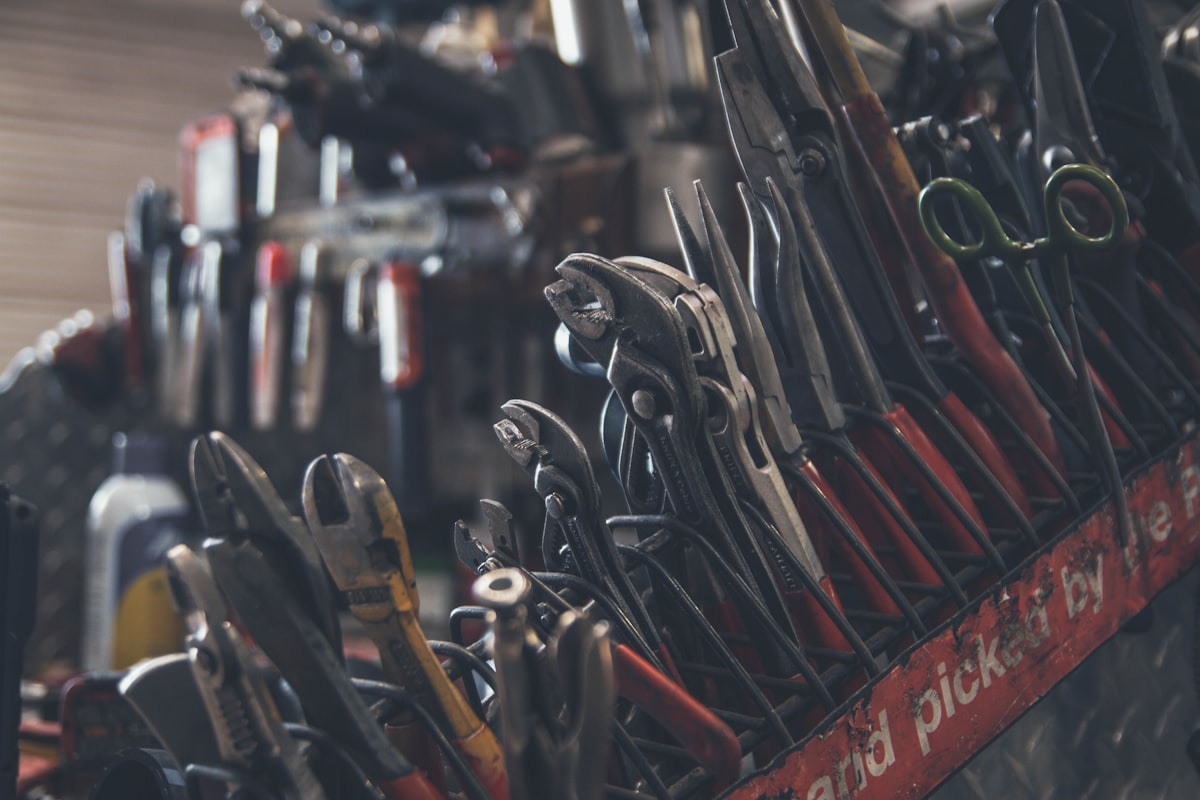
A stacked dado set consists of two outer blades and a number of chippers. You adjust the cutting width by adding or removing chippers and thin shims between the outer blades. This type offers the most precision and the cleanest cuts — the shoulder lines are crisp and the bottom of the groove is flat.
Pros
- Clean and precise cuts
- Adjustable width
- Versatility for different projects
Cons
- Time-consuming setup — getting the exact width often takes a test cut or two
- Requires proper alignment of the chippers and shims
Wobble Blades
Wobble blades use a single blade mounted at an angle on an adjustable hub. As it spins, the blade wobbles to create a wider cut. Setup is faster, but the bottom of the groove tends to be slightly rounded rather than flat.
Pros
- Quick setup
- Cost effective
- Simple to adjust
Cons
- Wider kerf tolerance
- Lower precision — the groove bottom isn’t perfectly flat
Choosing the Right Setup
Selection comes down to what you’re building and what saw you’re running. A few things to think about:
- Material: Hardwood benefits from a quality carbide-tipped set. Softwood is more forgiving. For plywood, look for sets marketed for sheet goods — they leave cleaner faces in the veneers.
- Saw Compatibility: Wish I’d known this when I started — not all saws accommodate dado blades. European-style saws often have short arbors that won’t fit a full stacked set. Check your arbor length before buying.
- Budget: Stacked dado sets are pricier but offer higher precision. Wobble blades are budget-friendly but may compromise on cut quality.
Using a Dado Blade
Proper use is crucial for safety and good results. Here’s the process I follow:
- Read the Manual: Familiarize yourself with the manufacturer’s instructions — blade stacking order and chipper orientation matter more than people realize.
- Setup: Install the dado set according to the instructions. Orient the chippers so their teeth don’t line up with the outer blade teeth.
- Test Cut: Always make a test cut on scrap wood. Took me three ruined boards to commit to this habit. Check the width and depth before touching your actual workpiece.
- Safety Gear: Safety glasses and hearing protection. Dado blades are loud and throw more material than a standard blade.
- Maintain Consistent Feed Rate: Move the wood at a steady pace. Feeding too slowly causes burn marks. Feeding too fast can tear out the wood fibers.
Maintenance Tips
Maintaining your dado set prolongs its life and improves performance.
- Regular Cleaning: Clear sawdust and resin build-up from the blades. Pitch buildup is the number one cause of burning.
- Sharpening: Send them out for sharpening when they start burning consistently. Dull carbide is still dull carbide.
- Proper Storage: Store in a dry place. Use the original case or a blade storage box to protect the carbide teeth.
Common Challenges
Here’s the thing nobody tells you about dado cutting:
Inconsistent Width

Often arises from improper setup — chippers not seated fully, or shims not accounting for the actual width of the material you’re fitting. Make a test groove, fit a scrap of the mating piece, and sneak up on the width from narrow rather than trying to nail it in one shot.
Tear-Out
Tear-out ruins the edges of your project, especially in plywood. Back the workpiece with a sacrificial board, and consider scoring the layout line with a marking knife before cutting if appearance really matters.
Burn Marks
Burn marks are typically due to dull blades or feeding the wood too slowly. Keep the blades sharp and maintain a steady feed rate. A blade with pitch buildup will burn even when sharp — clean it first before assuming it needs sharpening.
Project Applications
That’s what makes dado blades so useful to woodworkers — they’re essential for nearly every cabinet and case piece project:
Cabinetry
Dadoes hold shelf pins or accept fixed shelves and dividers. Precision makes it essential for high-quality cabinetry work.
Bookshelves
Dado joints provide sturdy support for shelves. A shelf seated in a dado can bear significant weight without sagging or shifting the way a shelf on pins sometimes does.
Drawer Construction
A dado in the drawer side accepts the drawer bottom panel. Ensures drawers slide smoothly and remain durable over time.
Brand Comparison
My shop buddy swears by Freud sets, but I’ve also had good luck with Oshlun at a lower price point. Here’s a quick overview:
Freud
Freud is known for high-quality, long-lasting blades. Their dado sets are praised for precision and ease of use. The price reflects the quality.
DeWalt
DeWalt offers durable and affordable dado sets. They’re great for both beginners and experienced woodworkers who want reliable performance without the premium price tag.
Oshlun
Oshlun provides budget-friendly options. Despite the lower price, they maintain quality and reliability for general shop use.
Final Thoughts
Selecting and using a dado blade setup is an important decision that significantly impacts the quality of your woodworking projects. Focus on tools that match your specific needs and are compatible with your saw. Proper use and maintenance will keep your dado set cutting cleanly for years — and once you’ve cut a few hundred perfect shelf dadoes, you won’t know how you got along without one.

Stay in the loop
Get the latest wood working workshop updates delivered to your inbox.