The Best Tool Brands: A Comprehensive Overview
Picking the right tool brand has gotten complicated with all the marketing noise flying around. As someone who has spent over 15 years building furniture, decks, and just about everything in between, I learned everything there is to know about which brands actually hold up and which ones are just hype. Today, I will share it all with you.
Look, I’ve burned through cheap tools and I’ve splurged on premium ones. I’ve had a drill die mid-project on a Saturday afternoon when the hardware store was closed. That kind of stuff teaches you lessons no review article can. So here’s my honest take on the major tool brands out there right now.
DeWalt
I’ll be blunt — DeWalt is what I reach for most days in my shop. Their cordless drills are workhorses. I’ve had the same DCD996 for going on six years and it still punches through hardwood like it’s nothing. The brushless motors really do make a difference in battery life, and when you’re halfway through a long day of pocket-hole joinery, that matters more than you’d think.
DeWalt builds their stuff to take a beating. I’ve dropped tools off ladders, left them in the bed of my truck in the rain (not on purpose), and they keep going. Their 20V MAX platform means all my batteries swap between tools, which saves a pile of money over time.
Makita
Makita is the brand I always recommend to folks who want something lighter without giving up power. Their LXT Lithium-Ion line is genuinely impressive. I borrowed a buddy’s Makita circular saw last summer and was surprised how compact it felt while still ripping through 2x4s cleanly.
The build quality is excellent. Makita tools survive job site abuse — dust, drops, the whole deal. A lot of trim carpenters I know swear by Makita because the tools are easier to handle overhead all day. That counts for something when your shoulders are screaming by 3pm.
Milwaukee
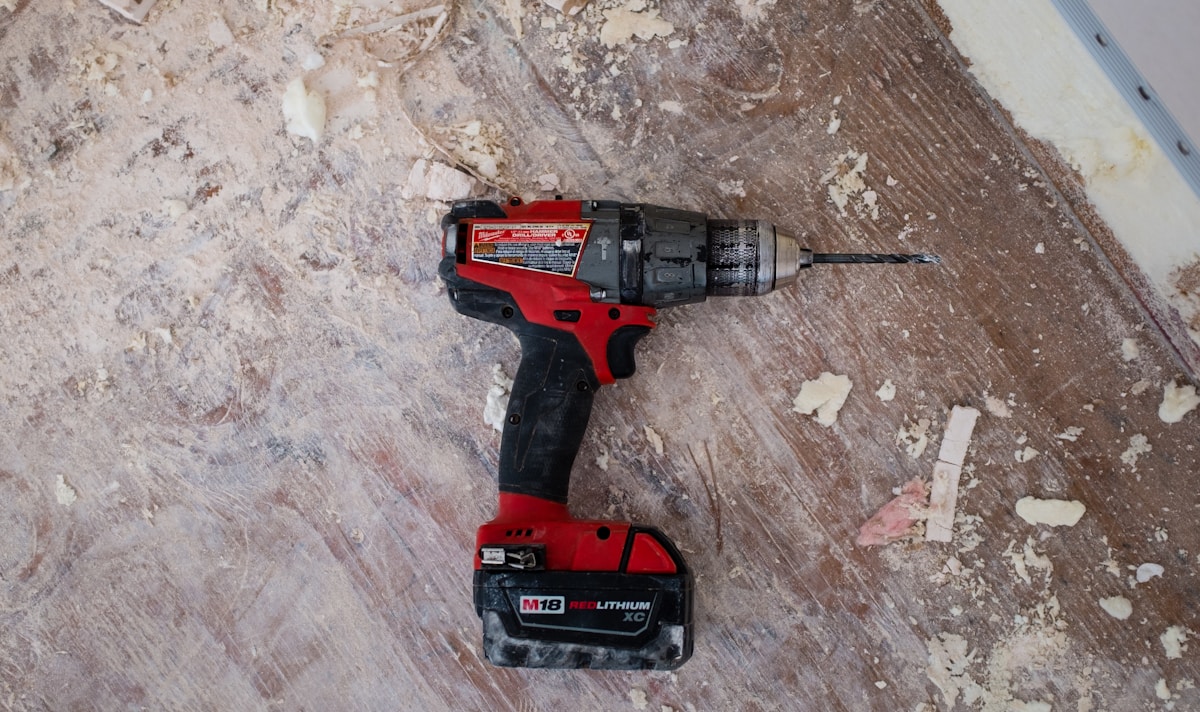
Milwaukee has been on a tear lately. Their M18 FUEL platform is genuinely best-in-class for a lot of categories. I picked up their impact driver last year and honestly, it might be the best tool purchase I’ve made in a while.
The ONE-KEY system is pretty slick if you’re running a crew — you can track tools, customize torque settings, all from your phone. I don’t use it much in my own shop, but I can see how a contractor managing 20 guys would love it. Their hand tools have gotten a lot better too. The fastback utility knife lives in my apron pocket now.
Bosch
Bosch is the brand I associate with precision. Their routers are legendary in the woodworking world, and their jigsaws are the benchmark everything else gets measured against. German engineering isn’t just a slogan with these guys.
The EC Brushless motors run cooler and last longer. I appreciate that Bosch puts real thought into safety features too — kickback control on their circular saws has saved my hands more than once, I’m sure. Anti-vibration technology is another area where Bosch leads the pack. Your wrists will thank you after a long day of sanding.
Ryobi
Here’s the thing about Ryobi — woodworking snobs love to trash it, but for weekend warriors and folks just getting started, it’s genuinely hard to beat. The ONE+ battery system is massive. We’re talking over 300 tools that all share the same battery. That’s wild.
I actually keep a few Ryobi tools around for yard work and lighter tasks. Their drill/driver combo kit is what I recommend to anyone who asks me “what should I buy first?” It won’t compete with my DeWalt on a framing job, but for hanging shelves, assembling furniture, and general homeowner stuff? Totally solid. And the price is right.
Craftsman
Craftsman brings back memories. My dad had a whole chest full of Craftsman hand tools, and some of those wrenches are still kicking around in my shop. The lifetime warranty on hand tools is real — I’ve walked into Lowe’s and swapped out broken ones no questions asked.
They’ve stepped up their power tool game recently. The V20 cordless line isn’t going to blow your mind, but it’s competent and affordable. For someone building out a basic shop without spending a fortune, Craftsman makes a lot of sense.
Hilti
Probably should have led with this section, honestly. Hilti is the premium tier, full stop. These tools are built for commercial construction — concrete drilling, demolition, the heavy stuff that would destroy a consumer-grade tool in a week.
I’ve used Hilti rotary hammers on renovation jobs and nothing else comes close for driving anchors into concrete. Their direct sales model means a Hilti rep actually shows up to your site, demos tools, and handles service. That level of support is worth the premium if you’re making money with your tools every single day.
Black & Decker
Black & Decker is the gateway drug of the tool world. Pretty much everyone’s first drill was a Black & Decker, right? Mine was. And honestly, for what it is — an affordable, easy-to-use tool for basic household tasks — it does the job fine.
I wouldn’t build a cabinet with Black & Decker tools, but I also wouldn’t tell my neighbor not to buy their 20V MAX drill for hanging pictures and putting together IKEA furniture. They innovate on the consumer side with features that make sense for occasional users.
Stanley
If you don’t have a Stanley tape measure in your shop, do you even woodwork? Seriously though, Stanley hand tools are the backbone of so many workshops. Their FatMax tape measure is the gold standard. The 25-footer with the blade standout that goes on forever — that’s the one.
Their chisels, utility knives, and levels are all dependable. Nothing flashy, just tools that do exactly what they’re supposed to do, decade after decade. That’s what makes Stanley endearing to us woodworkers — they never try to be something they’re not.
Klein Tools
Klein is a specialist brand and they own their lane. If you’re doing electrical work, Klein pliers and wire strippers are basically required equipment. Made in the USA, built to last, designed by people who clearly understand what electricians need.
I keep a set of Klein diagonal cutters in my shop because they’re just better than anything else for snipping wire and small fasteners. The grip is comfortable and the cutting edges stay sharp way longer than competitors.
Snap-on
Snap-on is the Rolls-Royce of the automotive tool world. Every mechanic I know either has Snap-on tools or wants them. The quality is undeniable — ratchets that feel like precision instruments, sockets that fit perfectly every time.
The price tag is steep, no question. But the lifetime guarantee and the Snap-on truck that rolls up to your shop for service? That’s a level of commitment to their customers that most brands don’t even attempt. If you wrench for a living, Snap-on pays for itself.
Festool
Now we’re talking my language. Festool is what happens when engineers who actually do woodworking design tools. Their track saw system changed how I break down sheet goods — perfectly straight cuts every time, minimal tearout, and the dust collection is unreal.
Yes, Festool is expensive. Eye-wateringly so. But the Domino joiner alone justifies the brand’s existence as far as I’m concerned. If you’re serious about fine woodworking and you can swing the investment, Festool tools are a genuine pleasure to use. The systainer storage system keeps everything organized too, which my shop desperately needs.
Husqvarna
Husqvarna owns the outdoor power equipment space. Their chainsaws are what arborists and loggers reach for when the job actually matters. I use a Husqvarna 450 Rancher for milling slabs with my Alaskan mill and it’s been absolutely bulletproof.
They’re pushing into battery-powered equipment too, which I appreciate. The professional-grade battery chainsaws are surprisingly capable for lighter work. If you’re processing your own lumber or doing any kind of outdoor clearing, Husqvarna should be at the top of your list.
Porter-Cable
Porter-Cable holds a special place in the woodworking community. Their routers were the industry standard for decades, and their random orbit sanders still show up in a ton of shops. The 690 series router is a classic — simple, powerful, and reliable.
The pricing sits in that sweet spot where you’re getting legitimately good tools without the premium brand markup. For someone setting up a woodworking shop on a budget, a Porter-Cable router and sander combo is a really smart starting point.
Wera Tools
Wera is a brand that most people haven’t heard of until someone hands them a Wera screwdriver. Then they’re hooked. The Kraftform handles are ergonomically brilliant — they just fit your hand in a way that makes cheap screwdrivers feel like sticks by comparison.
Their tool organization is clever too. The Joker wrenches with the holding function are one of those “why didn’t someone think of this sooner” inventions. Wera stuff costs more than the bargain bin, but your hands and wrists will notice the difference after a long day of work.
Matco Tools
Matco is Snap-on’s biggest competitor in the mobile tool distribution space. Their ratchets, wrenches, and sockets are professional-grade and built for daily abuse in auto shops. The Matco truck shows up at garages just like the Snap-on truck, which mechanics appreciate.
Pricing is generally a touch below Snap-on while still delivering excellent quality. For automotive professionals looking for top-tier tools with a slightly friendlier price point, Matco is worth a serious look.
What to Actually Think About When Picking a Brand
- What are you building? A fine furniture maker needs different tools than someone framing houses. Figure out your projects first, then pick the brand that serves that niche best.
- How often are you using them? Daily professional use demands durability that weekend projects don’t. Don’t overspend if you’re building one bookshelf a year, but don’t cheap out if these tools are your livelihood.
- What’s the real budget? Factor in batteries, accessories, and replacement parts. A “cheap” tool with expensive proprietary batteries isn’t actually cheap.
- Battery compatibility: If you’re going cordless (and you probably should for most things), pick a battery platform and stick with it. Switching ecosystems later is painful and expensive.
- Warranty and support: A lifetime warranty that’s impossible to claim isn’t worth much. Read the fine print and check forums for real customer experiences.
At the end of the day, the best tool brand is the one that fits your work, your hands, and your budget. I’ve built beautiful pieces with “cheap” tools and I’ve seen hack jobs done with top-shelf equipment. The tools matter, but the person using them matters a whole lot more. Buy what you can afford, learn to use it well, and upgrade when you actually need to — not when marketing tells you to.
Recommended Woodworking Tools
HURRICANE 4-Piece Wood Chisel Set – $13.99
CR-V steel beveled edge blades for precision carving.
GREBSTK 4-Piece Wood Chisel Set – $13.98
Sharp bevel edge bench chisels for woodworking.
As an Amazon Associate, we earn from qualifying purchases.

Stay in the loop
Get the latest wildlife research and conservation news delivered to your inbox.