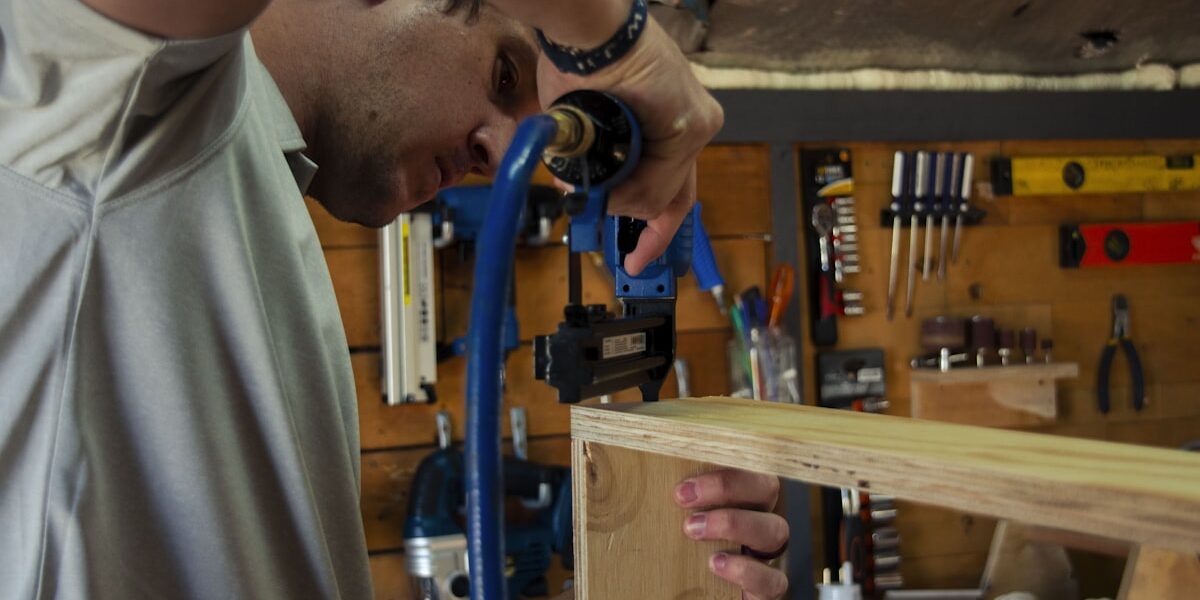
I built my first floating shelf about twelve years ago because my wife wanted somewhere to put plants in the living room and didn’t want “ugly brackets.” So I went down the floating shelf rabbit hole, and I’ve been building them for people ever since. They’re one of those projects that looks simple but has a few tricks that make the difference between a shelf that holds weight and one that pulls out of the wall at 3 AM.
A Quick History (for the Curious)
Floating shelves aren’t new, but they’ve exploded in popularity with the minimalist design trend. The idea is simple: hide the mounting hardware inside the shelf so it looks like it’s just stuck to the wall. No visible brackets, no supports, just a clean slab of wood hovering there. The execution, though, requires a bit of thought.
Choosing Your Material
Solid wood is my go-to. Oak, walnut, maple — any hardwood that takes a nice finish. You can stain it, oil it, or leave it natural and let patina develop over time. I’ve built walnut floating shelves that aged into something gorgeous over a couple of years.
Plywood works too, especially for painted shelves. It’s flat, stable, and cheap. Edge-band the exposed edges with iron-on veneer tape and nobody will know it’s plywood once it’s painted. MDF is fine for budget builds but it’s heavy and doesn’t hold screws well on the edges, so your mounting method needs to be solid.
How to Mount Them So They Stay Up
This is the part that matters most. A floating shelf is only as strong as its connection to the wall.
Use a stud finder and locate the wall studs. If you can hit studs, you’re in great shape — lag screws into studs will hold plenty of weight. If you’re mounting on drywall between studs, use toggle bolts or heavy-duty wall anchors. Regular plastic anchors won’t cut it for anything beyond decorative items.
A spirit level is non-negotiable. I’ve seen people eyeball shelf placement and the result is always slightly off — and “slightly off” is incredibly noticeable once you step back. Take the extra thirty seconds to level it properly.
Weight Capacity Reality Check
The number one question I get about floating shelves is “how much weight can they hold?” The answer depends on three things: the mounting hardware, the wall construction, and the shelf depth.
A well-mounted hardwood shelf into studs can hold 30-50 pounds easily. That’s books, picture frames, potted plants — most decorative items. But a shelf mounted with flimsy drywall anchors will sag under ten pounds. And deeper shelves — anything over 10-12 inches — create more leverage against the wall, so they need stronger mounting.
Distribute weight evenly across the shelf. Stacking all your books on one end creates a torque problem that even good hardware will eventually lose to.
Design Ideas by Room
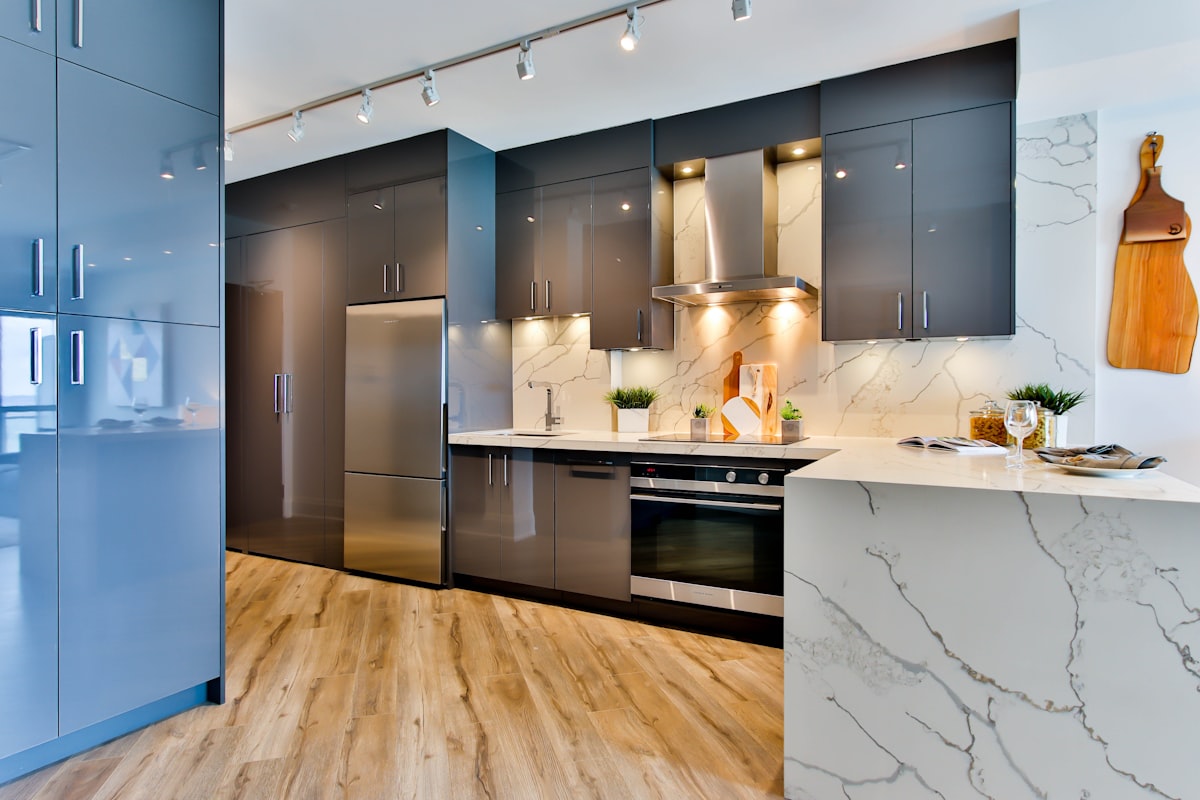
Floating shelves work everywhere. Living room: books, framed photos, small plants — three staggered shelves in walnut makes a wall come alive. Kitchen: spices, dishes, cookbooks, small appliances. I’ve replaced entire upper cabinets with floating shelves for clients and they love it. Bathroom: rolled towels, soap, candles — just use a waterproof finish. Bedroom: nightstand replacement, book storage, keepsakes. A single floating shelf beside the bed with a reading lamp is clean and functional. Home office: reference books and small organizers to keep the desk clear.
Building Your Own
For a hollow floating shelf that hides mounting hardware inside, build a rectangular frame from 1×3 or 1×4 lumber and cap it with a top and bottom panel. This box slides over metal support rods or a French cleat mounted to the wall.
For a solid slab shelf, drill holes in the back edge that match steel mounting rods attached to the wall. The shelf slides onto the rods and sits tight against the wall. This method looks the cleanest but requires precise drilling.
Sand everything smooth, finish it however you like, and mount it securely. The whole project takes a couple of hours if you’ve done it before, maybe a Saturday afternoon if it’s your first time.
Customizing for Your Space
Length, depth, thickness — all customizable. Want a 6-foot shelf? Go for it, but hit at least three studs for support. Want something chunky and rustic? Use a 3-inch thick slab. Prefer thin and modern? A 1-inch panel does the trick. LED strip lights underneath look great and add ambient lighting. I’ve done this in a few kitchens and the effect at night is striking.
Store-Bought vs. Handmade
IKEA shelves work fine for light-duty use in bedrooms. Nicer brands offer better-looking options at a premium. But nothing beats a handmade shelf from real hardwood — the material quality, the finish, and the mounting are all better when you build it yourself or hire someone who knows what they’re doing.
Reclaimed wood makes incredible floating shelves. Old barn boards, salvaged gym flooring, fence pickets — character that new wood can’t replicate. I built a set from a 100-year-old barn beam for my own kitchen and they’re the most-complimented thing in the house.
Don’t Make These Mistakes
Overloading is the big one — know your shelf’s weight limit and stay under it. Skipping the level check is the classic mistake that drives everyone crazy afterward. Cheap wall anchors on heavy shelves is a disaster waiting to happen. And not finishing the underside of the shelf is something people forget — you see the bottom from below, and raw wood looks unfinished.
Build them right, mount them solid, and they’ll hold up for years while looking like they’re defying gravity.


Stay in the loop
Get the latest wood working workshop updates delivered to your inbox.