I remember the first time I noticed patina on a piece of furniture. It was my grandmother’s cherry writing desk. She’d had it for forty years, and the color was this deep, warm reddish-brown that practically glowed in afternoon light. I pulled out a fresh piece of cherry in my shop and held it up for comparison. Night and day. The fresh stuff looked pale and washed out. Her desk had decades of life baked into it.
That’s patina. It’s what happens when wood (or metal) ages naturally, and once you learn to appreciate it, you’ll never look at old furniture the same way.
How Wood Develops Patina
Wood changes color from exposure to UV light and air. It’s a chemical reaction in the surface fibers, and every species does it differently.
Cherry starts pink and goes rich reddish-brown. Walnut starts dark chocolate and actually lightens a touch over the years. Oak yellows and takes on a golden honey tone. Maple warms to amber. Pine goes from pale to orange-yellow. Each species has its own aging personality, and what most people miss is that these changes happen whether you want them to or not — sunlight and oxygen don’t care about your preferences.
The changes are most dramatic in the first year and slow down over time. A cherry tabletop will change noticeably in the first six months, then settle into a gradual deepening over the next several years.
Why Antique Collectors Go Nuts Over Patina
In the antique furniture world, original patina is sacred. A 200-year-old Shaker table with its original finish and natural color aging is worth dramatically more than one that’s been stripped and refinished. The patina IS the provenance. It proves the piece is genuinely old and hasn’t been tampered with.
I’ve seen well-meaning people strip gorgeous patina off antique furniture because they thought it looked “dirty.” That physically hurts me. You can’t undo that. Decades of natural aging, gone in an afternoon with a can of stripper. If you own antique furniture, please — clean it gently, wax it, and leave the patina alone.
Metal Patina in the Workshop
Patina isn’t just a wood thing. Bronze and copper develop that famous green coating (verdigris) from reacting with air and moisture. Here’s the interesting part: that green layer actually PROTECTS the metal underneath. The Statue of Liberty is green because of copper patina, and it’s what’s kept her standing for over a century.
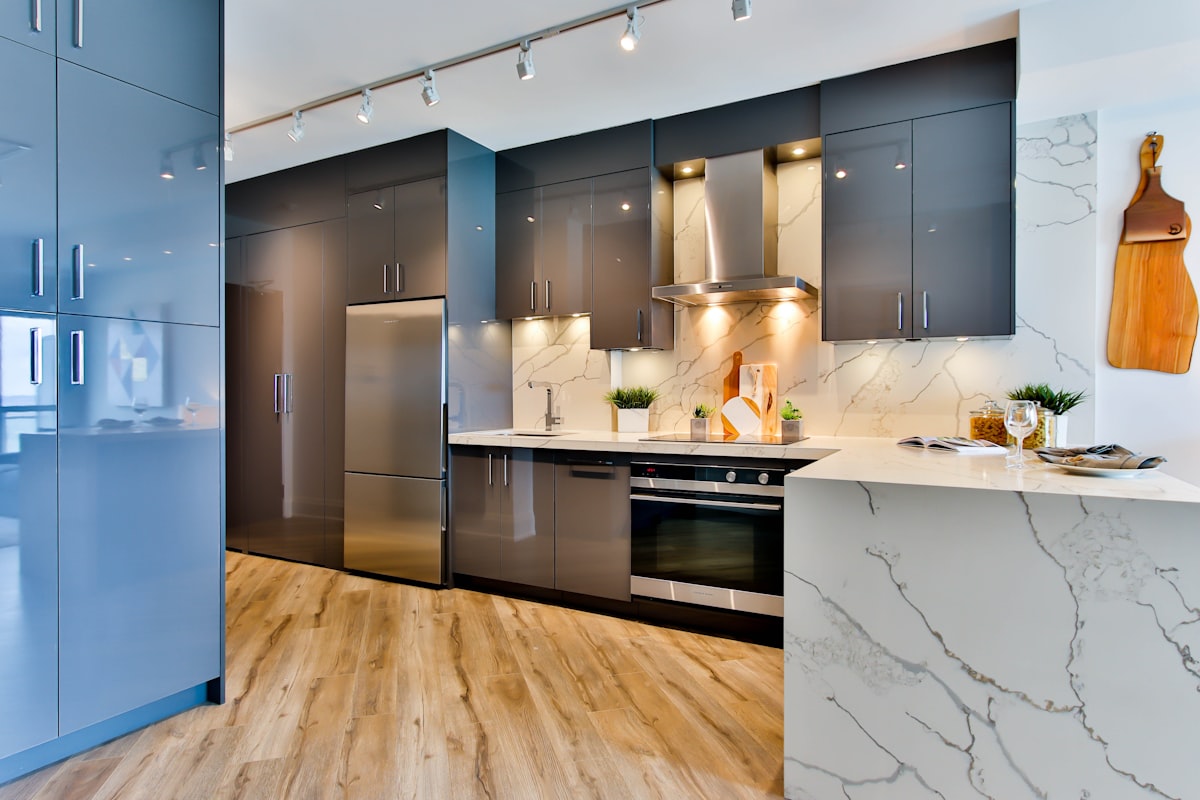
Iron and steel are a different story. Their “patina” is rust, and rust keeps eating deeper until there’s nothing left. This matters in the shop because your hand tools, table saw surfaces, and jointer beds will rust if you don’t protect them. A coat of paste wax or a light machine oil prevents it. Bronze and brass hardware on furniture, though? Let it age naturally. It looks better with time.
Working With Reclaimed and Aged Wood
If you build with reclaimed lumber, patina is a huge part of the appeal. That silvery-gray color on old barn boards comes from years of UV exposure and surface fungi. It looks amazing on accent walls, table tops, and picture frames.
Here’s what I’ve found works best: the patina is only skin deep. Maybe an eighth of an inch on most boards. That means you can plan your cuts to preserve the aged surface where it’ll be visible while machining fresh wood for joints and structural connections. It takes some forethought, but the results are worth it.
I built a dining table last year using reclaimed oak for the top — weathered gray face up, jointed and glued on the fresh wood underneath. The contrast between the aged surface and the clean edge profiles gives it a modern-rustic feel that people go crazy for.
Faking It When You Need To
Sometimes you want aged character without waiting thirty years. Here are a few tricks I’ve used:
Vinegar and steel wool: Dissolve steel wool in white vinegar for a few days. Brush it onto oak and it turns gray almost instantly. The iron reacts with tannins in the wood. Works great on oak, mediocre on low-tannin species. You can brush tea on the wood first to add tannin if needed.
Ammonia fuming: Seal the wood in a container with an open dish of strong ammonia. The fumes darken the wood dramatically, especially white oak. This is how Arts and Crafts furniture makers got those deep brown tones. Use this outside or in serious ventilation — ammonia fumes are no joke.
Chemical patina for metals: Liver of sulfur darkens brass and copper in minutes. Vinegar and salt speed up verdigris on copper. These solutions give you aged-looking hardware without the wait.
In my experience, the results are convincing but not identical to natural aging. Up close, someone with a trained eye can tell the difference. For most projects, though, it’s close enough.
Choosing the Right Finish for Patina
Your finish choice determines whether the wood keeps aging or freezes in time. Oil finishes — tung oil, Danish oil, linseed oil — let UV light through and allow patina to continue developing. The wood darkens and deepens over the years right through the finish.
Film finishes like polyurethane block UV light and slow the aging process dramatically. The wood color stays closer to what it looked like the day you finished it. This is sometimes what you want — if you love the pale color of fresh maple, a UV-blocking finish preserves it.
For my own work, I usually go with oil finishes on species that develop beautiful patina (cherry, walnut) and film finishes on species where I want to preserve the original color (maple, ash).
Caring for Aged Surfaces
Clean gently. A soft cloth with mild soap and water is all you need for most situations. Harsh chemicals, abrasive cleaners, and aggressive scrubbing will strip patina faster than you can say “I shouldn’t have done that.”
For waxed antique surfaces, reapply a thin coat of paste wax once or twice a year. That’s enough to protect the surface without altering the aged appearance. Leave the patina alone and let time do what it does best.


Stay in the loop
Get the latest wood working workshop updates delivered to your inbox.