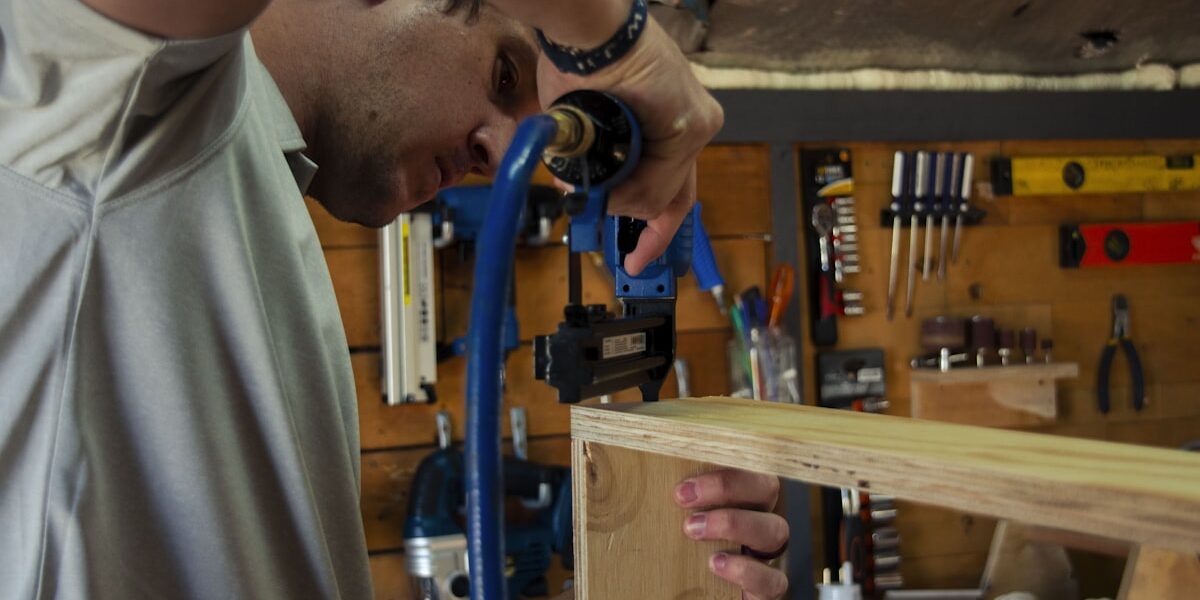
Understanding the Die Grinder
Among the most versatile tools in any workshop, the die grinder earns its place through sheer adaptability. Originally designed for industrial metalworking—particularly for finishing dies and molds—this compact rotary tool has found applications across woodworking, automotive repair, metal fabrication, and countless DIY projects.
Die grinders spin at much higher RPMs than standard drills, typically between 20,000 and 30,000 RPM. This high speed, combined with a small collet that accepts 1/4″ or 1/8″ shank accessories, makes them ideal for detail work requiring precision and control. The compact body fits into tight spaces where larger tools cannot reach.
Types of Die Grinders
Electric Die Grinders
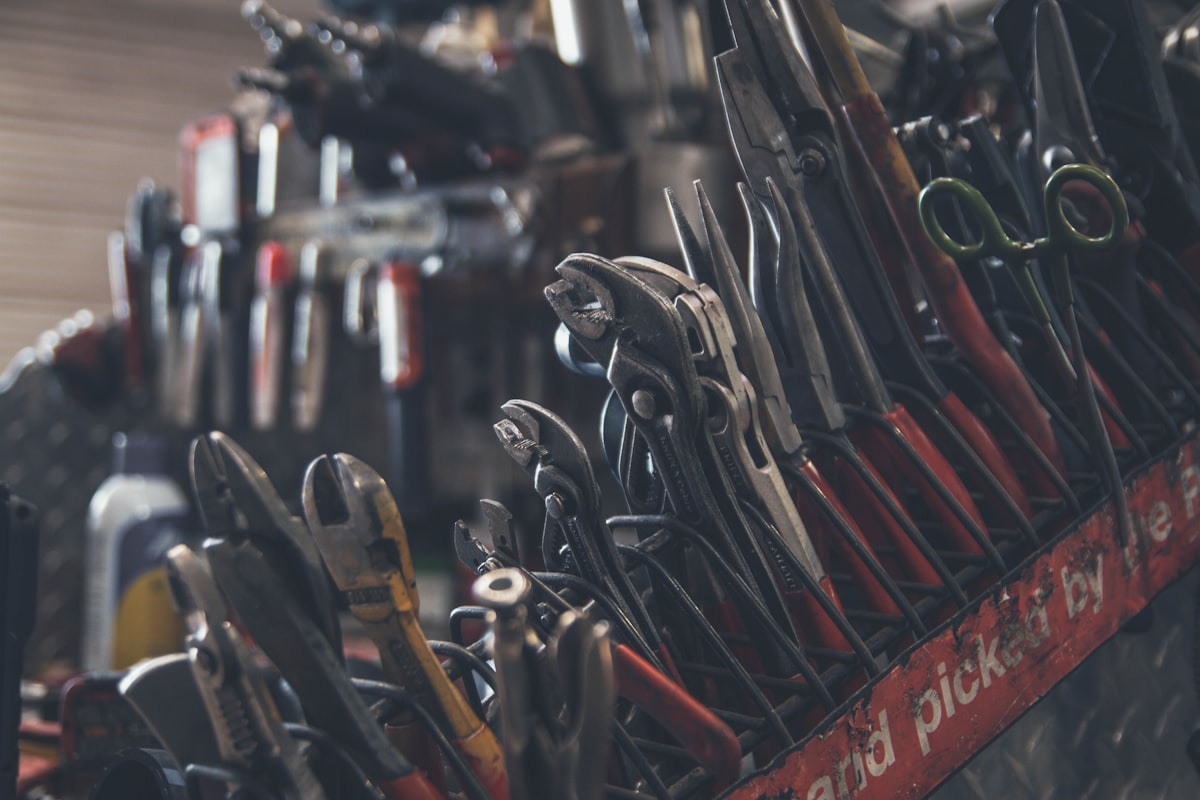
Electric die grinders plug into standard outlets or use cordless battery power. They’re the most accessible option for home workshops and light-duty applications. Modern brushless motors deliver consistent power and longer life than older brush-type designs. Corded models provide unlimited runtime, while cordless versions offer portability for field work.
Pneumatic (Air-Powered) Die Grinders

Pneumatic die grinders connect to air compressors and dominate professional shops. Their advantages include lighter weight (no internal motor), higher power-to-size ratio, and cooler operation during extended use. The primary drawbacks are the need for a compressor and air hose management. For production environments, pneumatic tools remain the standard.
Variable Speed Models
Some die grinders offer adjustable speed settings, expanding their versatility. Lower speeds (around 10,000-15,000 RPM) work better for sanding and polishing, where excessive heat can damage finishes. Higher speeds suit cutting and grinding operations. Variable speed controls let you match RPM to the specific task and material.
Metalworking Applications
Die grinders were born in metalworking shops, and metal remains their primary domain. Common applications include:
Deburring: After cutting, drilling, or machining, metal edges often have sharp burrs that require removal. Die grinders with carbide burrs quickly smooth these hazards.
Weld preparation and cleanup: Before welding, surfaces need to be clean and properly beveled. After welding, die grinders remove spatter, smooth beads, and blend welds into surrounding metal.
Rust and paint removal: Abrasive discs, wire wheels, and flap wheels strip old finishes and corrosion, preparing surfaces for fresh coatings.
Porting and polishing: In performance automotive work, die grinders reshape intake and exhaust ports for improved airflow. The same techniques apply to any casting requiring internal surface modification.
Woodworking Uses
While not a primary woodworking tool, die grinders offer unique capabilities for certain wood projects:
Carving and shaping: Specialized carving burrs and rasps turn die grinders into power carving tools. They excel at sculpting, creating organic shapes, and roughing out forms that would take hours with hand tools.
Detail work: Small sanding drums and flap wheels reach into tight curves and recesses where larger sanders cannot fit. This makes die grinders valuable for furniture restoration and decorative woodwork.
Inlay routing: With care, die grinders can cut shallow recesses for inlays and decorative elements. The small diameter allows following intricate patterns.
Sharpening: Chainsaw teeth, lawn mower blades, and other tools with complex profiles benefit from die grinder sharpening with appropriate stones or wheels.
Automotive and Mechanical Repair
Mechanics rely on die grinders daily for tasks that would otherwise require disassembly or replacement:
Brake work: Cleaning rust from brake mounting surfaces and grinding down rotor lips requires the access and precision die grinders provide.
Exhaust system modification: Cutting, grinding, and smoothing exhaust pipes and flanges is straightforward with cut-off wheels and grinding burrs.
Cylinder head work: Porting and polishing intake and exhaust ports improves engine breathing. This specialized work requires steady hands and patience but dramatically improves performance.
Common Attachments and Accessories
The die grinder’s versatility comes from its wide range of attachments:
- Carbide burrs: Available in dozens of shapes (cylindrical, ball, tree, flame, cone), these cut aggressively into metal, wood, and plastics.
- Mounted stones: Aluminum oxide and silicon carbide stones grind and shape hard materials including metal and ceramics.
- Sanding drums: Rubber drums with replaceable sandpaper sleeves smooth curved surfaces and interior openings.
- Flap wheels: Overlapping abrasive flaps conform to irregular surfaces while sanding.
- Wire brushes: Remove rust, scale, and old finishes without removing base material.
- Cut-off wheels: Thin abrasive discs slice through metal, plastic, and other materials.
- Polishing accessories: Felt bobs, cotton wheels, and buffing compounds produce mirror finishes.
Safety Considerations
Die grinder safety requires respect for the tool’s high speed and exposed rotating accessories:
- Eye protection: Always wear safety glasses or a face shield. Flying debris is inevitable.
- Hearing protection: Extended use, especially with pneumatic models, generates noise levels requiring ear protection.
- Secure workpieces: Clamp or vice your work—never hold small pieces by hand near the spinning accessory.
- Check speed ratings: Every accessory has a maximum safe RPM. Never exceed it.
- Inspect attachments: Look for cracks or damage before use. Damaged wheels can shatter at high speed.
- Maintain control: Die grinders can grab or kick if the accessory catches an edge. Keep a firm grip and work with the rotation, not against it.
Maintenance Tips
Simple maintenance extends die grinder life significantly. After each use, blow out accumulated dust with compressed air (for pneumatic models) or wipe clean (for electric). Check collets for wear—a worn collet allows accessories to slip or wobble dangerously. For pneumatic grinders, add a few drops of air tool oil to the inlet daily. Store the tool with a protective cap over the collet to prevent damage.

Stay in the loop
Get the latest wood working workshop updates delivered to your inbox.