
Hollow chisel mortisers have gotten more attention lately as more woodworkers discover the time savings they offer for traditional joinery. I’ve been using a benchtop mortiser for about eight years now — bought it reluctantly, convinced I should be doing everything by hand, and then immediately wondered why I’d waited so long. Here’s the honest breakdown.
How It Works
The machine combines two cutting actions happening simultaneously. An auger bit spins inside a square, hollow chisel. The auger removes most of the waste while the chisel squares up the corners on every plunge. Push the workpiece against the fence, set the depth stop, pull the handle, and you get a clean, square mortise.
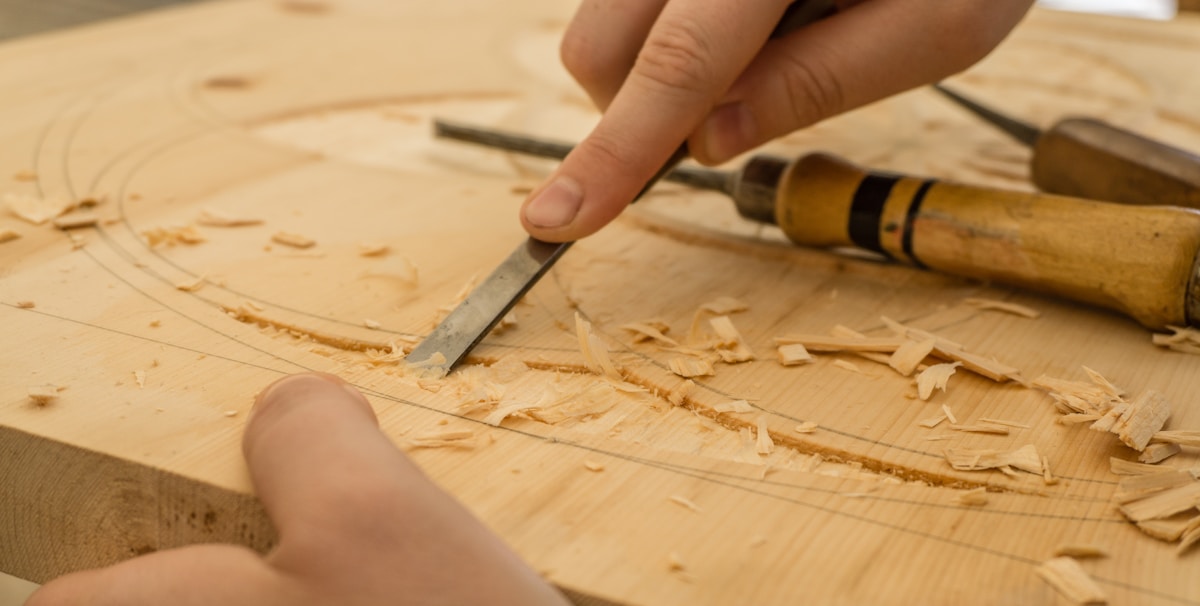
Here’s the thing nobody tells you about mortiser setup: the auger needs to extend past the chisel by about 1/16 inch. Too little extension and chips pack into the hollow chisel and it clogs immediately. Too much and the auger breaks. Getting this dialed in takes a few test cuts in scrap, but once it’s right, everything works smoothly.
Who Needs One
If you make chairs, tables, or doors regularly — anything with mortise-and-tenon joinery — a mortiser earns its keep quickly. Cutting mortises by hand takes practice and time. A drill press with a chisel attachment works but tends to chatter and leaves rough walls. A dedicated mortiser handles the job faster, cleaner, and consistently.
For occasional joinery, hand tools or a router with a mortising jig might make more practical sense. Mortisers take up shop space and represent a single-purpose investment. Be honest with yourself about how often you actually cut mortises before buying.

Benchtop vs Floor Models
Benchtop mortisers cost less and store easier. They handle most furniture-scale work adequately — chair rails, door frames, cabinet face frames, all no problem. The Delta and Jet benchtop models have been around for years and have earned their reputations.
Floor models offer more power and rigidity. They handle larger stock and deeper mortises without bogging down or heating up. Powermatic makes well-regarded floor mortisers, though they cost significantly more. For a production shop or someone building heavy timber work, the floor model is worth it. For a typical home woodshop, the benchtop handles everything you’ll encounter.
Chisel Sizes
Common sizes run from 1/4 inch to 3/4 inch. Most furniture work uses 3/8 inch or 1/2 inch chisels. Smaller chisels heat up faster and need more frequent clearing. Larger chisels require more motor power and slow the machine down on smaller machines.
Quality chisels matter. The chisels that come bundled with budget benchtop machines often disappoint — they’re soft, lose their edge quickly, and leave rougher walls than good chisels do. Replacement chisels from reputable brands cut cleaner and last significantly longer. Wish I’d learned this before burning through two sets of included chisels on my first mortiser.
Tips for Better Mortises
Take shallow bites. Trying to plunge a full-depth mortise in one pass strains the machine, burns the wood, and produces rough walls. Multiple passes of about 1/4 inch depth work better on any machine.
Clear chips frequently. Wood chips pack into the corners of the hollow chisel and cause it to bind. Backing the chisel out and clearing chips periodically keeps everything running smoothly and extends chisel life.
Keep chisels sharp. A dull chisel tears rather than cuts, leaving rough mortise walls that weaken the joint’s fit. Touch up the chisel’s inner faces with a small slip stone if the walls start looking rough.
The Bottom Line
That’s what makes a hollow chisel mortiser so useful to furniture builders — it removes a genuine bottleneck from the workflow. It’s not essential. People made furniture for centuries without them. But it consistently produces accurate mortises faster than any other method, and consistent accuracy matters when you’re fitting twenty mortise-and-tenon joints in a chair. If that kind of joinery shows up regularly in your projects, the tool pays for itself in time saved fairly quickly.



Stay in the loop
Get the latest wood working workshop updates delivered to your inbox.